
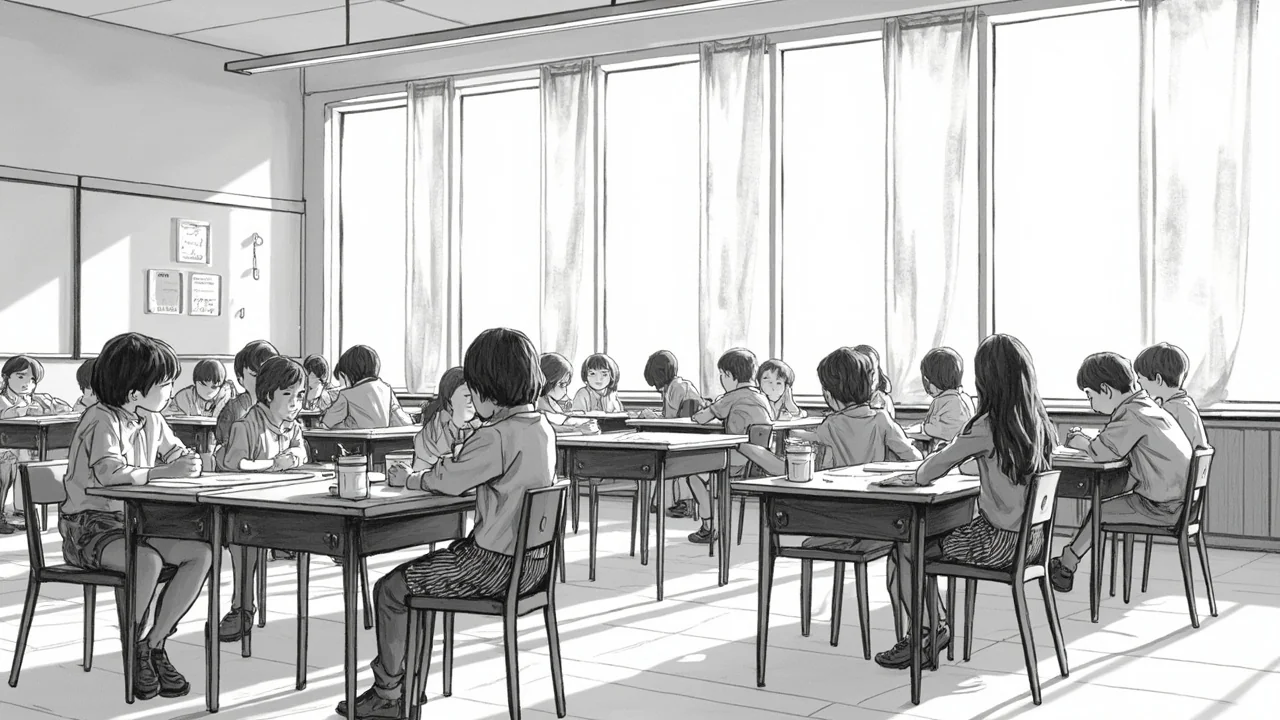
Denmark's government is launching a major education investment targeting early school years, aiming to prevent future social costs and strengthen the long-term workforce. Socialdemokratiet, led by Prime Minister Mette Frederiksen, proposes a cap of 14 students per class for grades 0 through 3, a move requiring over 4,000 new teachers. The policy, framed as classic Scandinavian welfare preemption, seeks to address later-life discontent and absenteeism by ensuring a calmer, better school start.
The Core Investment and Its Rationale
At a press meeting at Pilegårdsskolen in Kastrup, Prime Minister Mette Frederiksen explained the reasoning. "It is, in reality, classic Scandinavian welfare policy. We intervene before the problems become too large. That is what the teachers dream of, and I believe it is also what the parents dream of," Frederiksen stated. She emphasized that the best course of action is prevention, hoping children will gain a more peaceful and better start to their schooling. The vast majority of the proposed funding is directed at these youngest grades, with the intent of building a solid foundation before issues manifest in older classes.
A Supplementary Measure for Older Students
Alongside the class-size cap, the government has allocated 700 million kroner for a two-teacher scheme in certain older classes. Education Minister Mattias Tesfaye outlined this part of the plan, which targets the specific problems of discontent and absenteeism prevalent in higher grade levels. This dual approach indicates a strategy that combines universal, preventative investment in early childhood with more targeted support for adolescents already showing signs of struggle. The structure acknowledges that while early intervention is key, existing challenges in the system also require direct resources.
The Scale of the Implementation Challenge
The proposal to limit classes to 14 pupils in the earliest grades represents a significant logistical and financial undertaking. The need for more than 4,000 additional teachers highlights the substantial human resource investment required. This comes at a time when many sectors, including both public services and private industries like renewable energy and tech, are competing for skilled labor. The government has not yet presented a detailed financing model for the entire package but promises a proposal before the general election, which must be held by this autumn. Officials have stated the funds will not be drawn from the existing economic fiscal framework, suggesting either new revenue streams or budget reallocations from other areas.
Economic and Business Implications
From an economic standpoint, the policy is a long-term bet on human capital. Danish business leaders often cite a well-educated, adaptable workforce as a critical factor for competitiveness, especially in export-driven sectors like renewable energy, pharmaceuticals, and maritime technology. Persistent absenteeism and social discontent in later years can translate into higher societal costs, reduced productivity, and a smaller pool of skilled labor. By investing heavily in the early educational environment, the government aims to reduce these future drains on the economy. The success of this policy could influence future labor market stability and Denmark's ability to innovate in key business districts like Copenhagen's Nordhavn and the Øresund region.
The Unanswered Funding Question
The most pressing question for businesses and economists is the source of the substantial funding required. The lack of a presented financing plan creates uncertainty. Will it involve adjustments to corporate tax structures, reallocation of funds from other public investments, or new public spending? The answer will have direct implications for the business climate and the state's economic leeway for other initiatives. The government's pledge to keep the spending outside the regular fiscal budget suggests a creative or dedicated financing solution is in the works, the details of which will be scrutinized for their impact on trade and investment.
A Political Priority Before an Election
Positioning this large-scale educational investment as a cornerstone of classic welfare policy allows Socialdemokratiet to frame the upcoming election debate around long-term societal stewardship. The focus on prevention and early childhood is politically potent, appealing to parents and professionals alike. However, without concrete financing, the plan also presents a vulnerability. Opposition parties are likely to demand specifics on the trade-offs involved. The rollout at a local school in Kastrup was a symbolic choice, grounding the high-level policy in the everyday reality of Danish communities.
Looking to the Future Workforce
The ultimate test of this educational push will be measured in years, not electoral cycles. Will smaller classes in the first few school years lead to measurably higher engagement, better learning outcomes, and improved well-being that persists into adolescence and adulthood? If so, the economic return could be substantial in the form of a more robust, innovative, and resilient workforce. If the implementation falters due to teacher shortages or unclear funding, it risks becoming a costly promise. For now, Denmark's government is making a calculated bet that the best way to ensure future economic and social health is to invest deeply in the earliest days of a child's education, hoping to build a stronger foundation for the nation's shared future.