
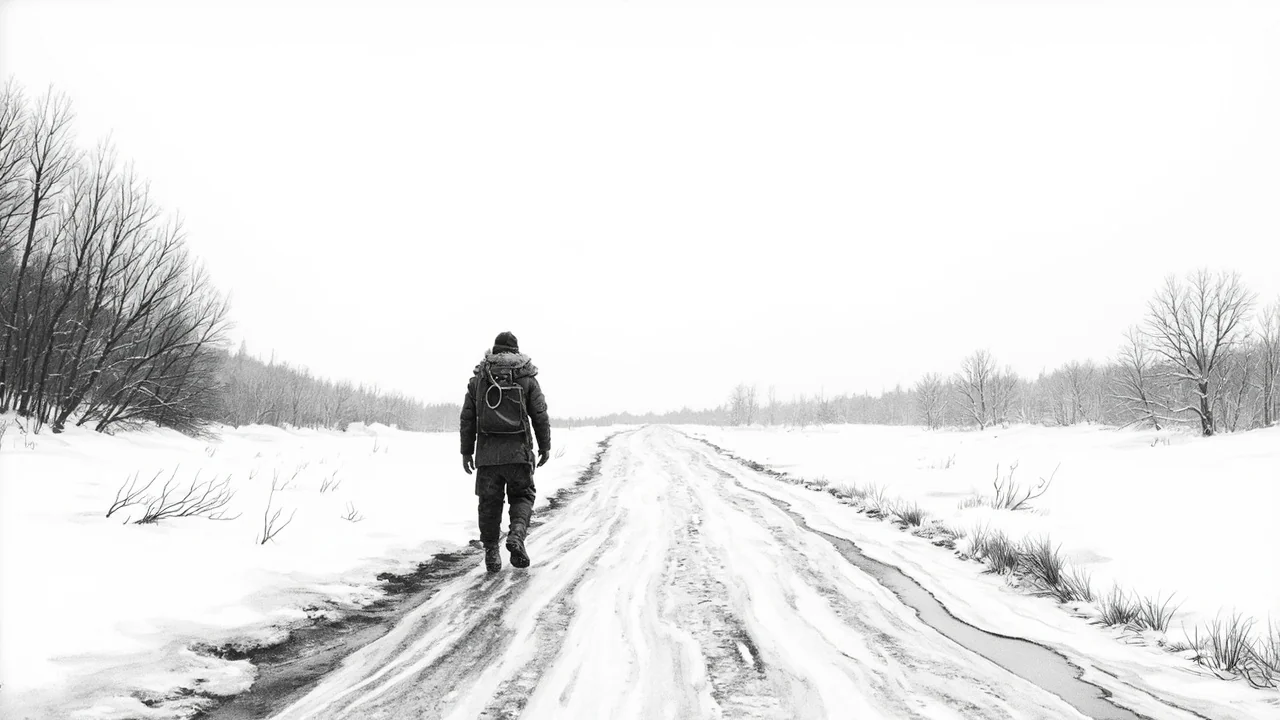
Denmark's roads remain dangerously slick despite rising temperatures and melting snow. The Danish Road Directorate warns that deceptive spring weather creates perfect conditions for black ice and aquaplaning. This annual transition period catches many drivers off guard, leading to preventable accidents across the country.
Vagthavende ved Vejdirektoratet Mark Sigvardt explains the core issue. "The challenge is if the snow melts and doesn't drain away before potentially freezing again," he said in a statement. This phenomenon occurs nationwide, though areas in Jutland that received heavy snowfall are particularly at risk as that snow now thaws. The Directorate urges all motorists to drive cautiously, according to conditions, and maintain ample distance.
The Deceptive Thaw
Wednesday brings a mixed forecast with initial rain clearing to drier conditions from the west. Temperatures will hover between 2 and 6 degrees Celsius, with light winds making it feel tolerable. Crucially, night-time temperatures are not expected to drop below freezing. This seemingly mild picture masks the hazard. Meltwater and rain create significant standing water on roadways. When this water cannot drain properly, it pools. If temperatures dip unexpectedly—even slightly—these pools transform into sheets of transparent black ice, invisible to drivers until it is too late.
Furthermore, excess water directly increases the risk of aquaplaning. This occurs when a vehicle's tires lose contact with the road surface, riding on a layer of water instead. The driver experiences a sudden and complete loss of steering and braking control. It is a terrifying event that requires specific road conditions: sufficient water depth, vehicle speed, and tire tread depth. The post-thaw period, with saturated roads and residual winter wear on tires, creates a perfect storm for these incidents.
A Recurring Seasonal Challenge
This is not a new problem but a perennial feature of the Nordic climate transition. Danish authorities and meteorological services issue similar warnings every year as winter loosens its grip. Yet, the human psychology of spring works against safety. After months of conscious, careful winter driving, the sight of green grass and brighter skies triggers a relaxation of vigilance. Drivers instinctively increase their speed and reduce following distances, believing the danger has passed. This cognitive shift is what makes the period so statistically dangerous.
Mille Jensen, a meteorologist with the Danish Meteorological Institute (DMI), noted the mild outlook in a Tuesday afternoon update. "Not even the night hours towards Thursday will see frost," she wrote. However, her forecast includes a critical variable: cloud cover. Clear nights could allow road surfaces, especially on bridges and shaded rural lanes, to cool rapidly through radiation, potentially reaching freezing levels even if the ambient air temperature remains slightly above. This micro-climate effect on road surfaces is a key detail often missed by drivers checking only the general weather forecast.
Expert Advice for Spring Driving
The Road Directorate's advice is simple but vital: drive carefully and according to the conditions. This generic statement encompasses several specific actions. First, reducing speed is the single most effective measure against both aquaplaning and loss of control on ice. Slower speeds allow tires to displace water more effectively and provide more reaction time. Second, increasing following distance to at least double or triple the normal dry-weather gap is essential. It provides a critical buffer for stopping on a slippery surface.
Third, drivers should conduct a conscious pre-season vehicle check. Winter tires, while excellent in snow and cold, can be worn down by the season's use. Their ability to channel water away diminishes with tread depth. Checking tire pressure and tread is a straightforward safety step. Finally, heightened situational awareness is crucial. Drivers should be extra cautious on bridges, overpasses, and shaded forest roads, as these areas freeze first. Watching for spray from other vehicles' tires can indicate standing water.
The Infrastructure Factor
While driver behavior is paramount, the state of Denmark's road infrastructure plays a supporting role. The country's extensive network is generally well-maintained, but drainage capacity can be overwhelmed by rapid snowmelt combined with rainfall. Municipal road crews shift from snow clearance and gritting to drain clearing and pothole repair during this period. However, they cannot be everywhere at once. Some older road sections or those with poor grading will naturally hold water longer, creating persistent danger zones known to local authorities.
The public reporting system, where citizens can notify municipalities of hazardous road conditions, becomes especially important during the thaw. A single blocked drain can create a large icy patch. Community vigilance supplements official monitoring. Furthermore, the widespread use of road salt during winter has a residual effect. As snow melts, it carries dissolved salt with it. This brine can refreeze at lower temperatures than pure water, creating especially slick conditions that standard grit may not effectively mitigate.
A Cultural Shift in Perception
Addressing this annual risk may require a subtle shift in how Danes perceive the driving seasons. The concept of "vinterdæk" (winter tires) is legally mandated for a period and well-understood. Perhaps what is needed is greater public education about the "overgangsårstid" or transition season. Safety campaigns typically peak in deep winter and during summer holiday traffic. A focused effort in early spring, highlighting the hidden ice and water dangers, could save lives and reduce property damage.
Insurance data across Scandinavia consistently shows a spike in collisions during these transitional weeks. The accidents are often single-vehicle incidents, where a car slides off a bend or into a ditch, indicating loss of control on a localised slippery patch. These are the crashes most likely prevented by moderated speed and heightened awareness. They are also economically significant, straining emergency services, insurance pools, and causing personal hardship.
Looking Ahead
The immediate forecast suggests a gradual drying out, which will eventually mitigate the risk. However, the Danish climate is famously changeable. A return to frosty nights is entirely possible well into April. The lesson for motorists is to maintain a winter-driving mindset until consistent, above-freezing temperatures are firmly established, both day and night. The snow may have vanished from the fields, but its legacy lingers dangerously on the asphalt.
As the days grow longer, the temptation to shed caution is strong. Yet the most skilled drivers in Denmark—from professional truckers to veteran taxi drivers—know that this period demands respect. They adjust their routines, leave earlier, and drive with a smooth, gentle input on controls. For the average commuter, adopting that same patient, defensive approach is the key to navigating the thaw safely. The road to spring, it turns out, is the last slippery slope of winter.