
The Swedish government has granted formal approval for the European Spallation Source (ESS) in Lund to begin test operations involving neutron production. This milestone, confirmed by Sweden’s Radiation Safety Authority, marks a critical step toward the facility’s full operational launch scheduled for 2028. The ESS project, backed by decisions from the Swedish Parliament and coordinated through national research policy frameworks, represents one of Europe’s largest scientific infrastructure investments. During full operation, the ESS will accelerate protons to 96 percent of the speed of light using a linear accelerator. These protons will strike a rotating tungsten target station, releasing neutrons that researchers will channel to specialized instruments. Scientists will use these neutrons to study atomic structures and material behaviors with unprecedented precision. Test operations now permitted under the new authorization will validate key systems ahead of full deployment. According to an ESS press release, the Radiation Safety Authority’s clearance follows rigorous safety reviews mandated under Swedish nuclear and radiation regulations. The facility’s development aligns with long-term science and innovation strategies shaped by Stockholm politics and implemented through intergovernmental agreements. As Sweden continues to host major international research initiatives, oversight remains anchored in protocols overseen by agencies reporting to ministries based in Rosenbad.
🇸🇪 Sweden
13 February 2026 at 14:19
6027 views
TechnologyESS Clears Key Hurdle for Neutron Testing in Lund
In brief
Sweden’s Radiation Safety Authority has approved test operations with neutron production at the European Spallation Source in Lund. Full operations are planned for 2028, with the facility set to become a leading center for materials research.
- - Location: Sweden
- - Category: Technology
- - Published: 13 February 2026 at 14:19
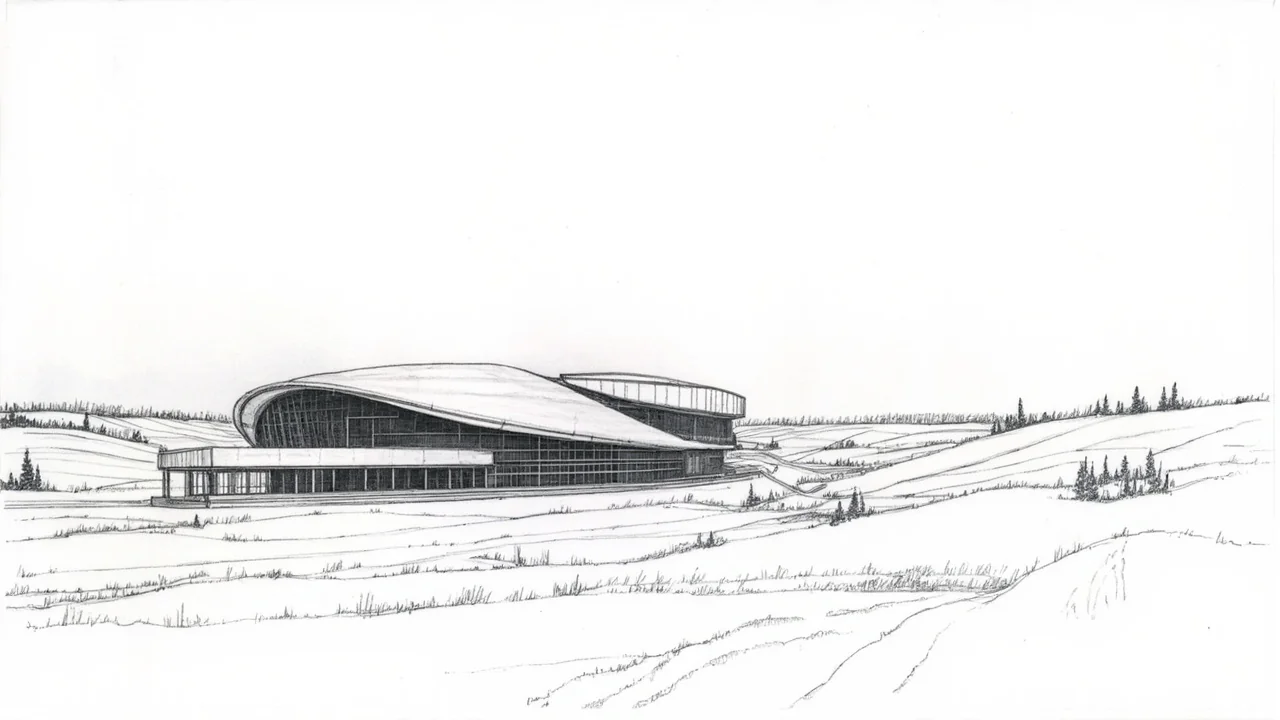
Illustration
Advertisement