
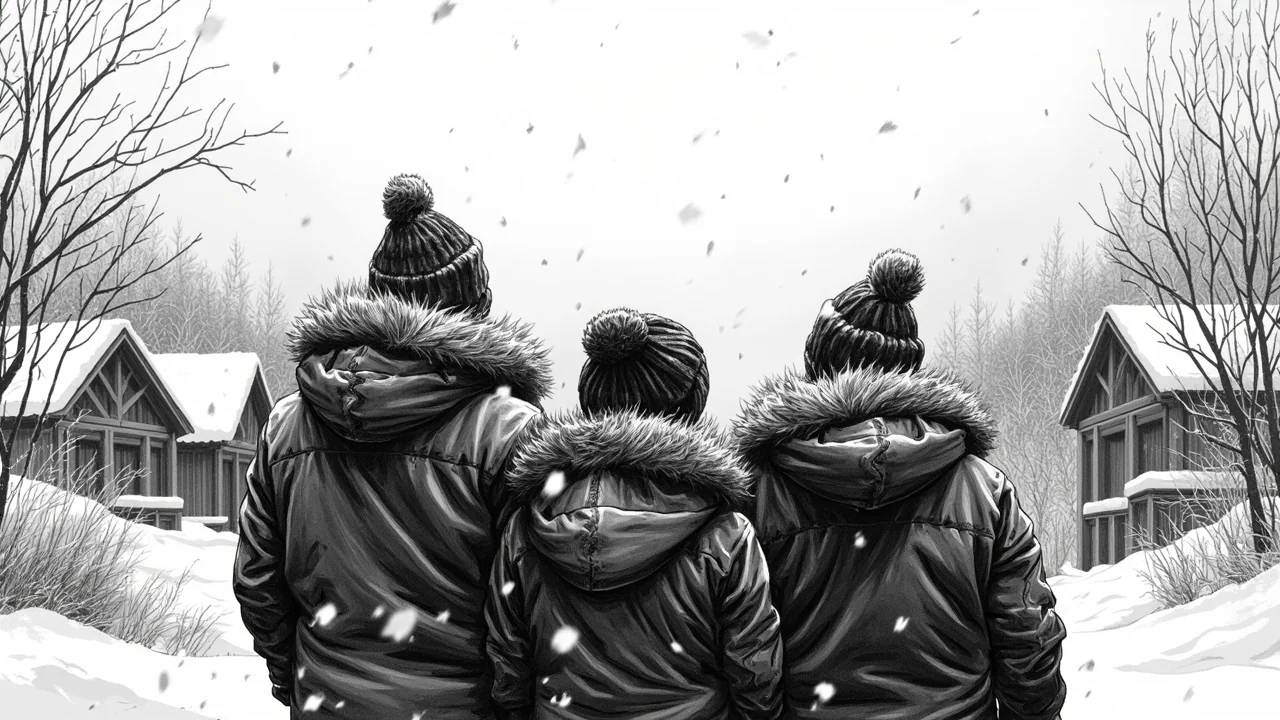
Finland's national weather forecast predicts a dramatic plunge in temperatures this week, with the mercury expected to drop as low as minus 20 degrees Celsius across the country. The intensifying cold spell, detailed by Forecan meteorologist Joanna Rinne, will see conditions tighten significantly from Wednesday through the end of the week, challenging residents from Helsinki to Lapland. This sharp cooldown follows a period of milder winter weather and signals a return to more characteristic Finnish winter severity, impacting daily life, energy consumption, and transport across the nation.
A Nationwide Deep Freeze Sets In
The cold front is advancing across the entire country, with distinct regional patterns. On Wednesday, southern and central Finland will experience temperatures ranging from approximately minus 1 to minus 10 degrees Celsius. Meanwhile, northern regions will face a more intense chill from the outset, with thermometers reading between minus 5 and minus 20. Meteorologist Joanna Rinne emphasized that the cold will intensify nationwide as the week progresses, settling into a range of minus 10 to minus 20 degrees Celsius by Friday. This uniform drop places the entire population on alert for frostbite risks and heightened heating demands, with municipalities likely activating cold weather protocols for vulnerable groups.
The Critical Role of Cloud Cover
A key factor influencing the perceived severity of the cold will be cloud cover, which acts as an insulating layer in the winter atmosphere. Rinne explained the phenomenon in a Forecan blog post, noting, 'The cloud ceiling functions like a blanket that prevents heat from escaping.' When this cloud cover breaks, especially at night, air temperatures can plummet significantly below forecasted averages. This is particularly relevant for northern areas, where local conditions could see the mercury fall 'considerably lower than predictions,' according to Rinne. Clear, starry nights will therefore equate to the most piercing cold, increasing strain on building insulation and vehicle engines. The absence of cloud cover also creates the potential for spectacular auroral displays, though visibility may be limited.
A Glimpse of Aurora Amid the Chill
The ongoing cold spell coincides with increased solar activity, offering a silver lining for skywatchers. A powerful geomagnetic storm creates a 'good opportunity to spot the northern lights' on Wednesday night, Rinne stated. However, the same meteorological dynamics that deepen the cold may obscure the view for many. 'Unfortunately, cloud cover is playing a leading role in the night sky across large parts of the country,' the forecast notes. Rinne advised persistent monitoring of local conditions, suggesting that 'even though cloudiness is generally abundant, it's worth following the cloud situation – locally the cloud cover may break enough for the auroras to be visible.' This juxtaposition of severe cold and celestial beauty is a classic feature of the Finnish winter experience, though it requires braving the elements to witness.
Historical Context and Seasonal Norms
While the forecasted temperatures are notably low, they remain within the historical spectrum of Finnish winters, particularly for February. The country's infrastructure, from district heating plants in urban centers to private homes in rural areas, is engineered to withstand such conditions. However, each new cold snap tests this resilience, prompting public reminders about safe indoor heating, winter tire regulations, and checking on elderly neighbors. The Finnish Meteorological Institute typically issues cold weather warnings when such widespread and severe frosts are anticipated, guiding public behavior and municipal services. This event underscores the ongoing adaptation required to live in a northern climate, where winter preparedness is not optional but a fundamental aspect of civic life.
Practical Impacts and Public Response
The immediate effects of the temperature drop are multifaceted. Energy companies anticipate a surge in electricity and heating demand, testing grid stability. Road maintenance authorities will deploy additional graders and increase salting and sanding operations on key highways, especially in the south where lighter frosts are less constant. Parents are advised to ensure children are properly layered for school commutes, and pet owners are reminded of the risks to animals left outdoors. The cold also has implications for public health, increasing risks of circulatory issues and accidents related to icy surfaces. Social media channels and local news outlets quickly fill with practical advice, from preventing frozen pipes to maintaining vehicle antifreeze levels, showcasing a communal response to the shared challenge of the deep freeze.
Looking Beyond the Weekend
Forecast models suggest the core of this cold air mass will dominate through the weekend, with only gradual moderation expected early next week. The duration of the sub-minus 20 degree Celsius temperatures in the north will be a critical factor for energy reserves and outdoor activities. This pattern is a reminder of Finland's geographical reality, where Arctic air can descend swiftly and decisively across the relatively flat terrain. As the week unfolds, the nation's mettle will be tested not by novelty, but by a return to a familiar, if harsh, seasonal normal. The event prompts a collective shrug and a systematic donning of thermal layers, a routine as Finnish as the sauna that awaits after time spent in the deepening cold.