
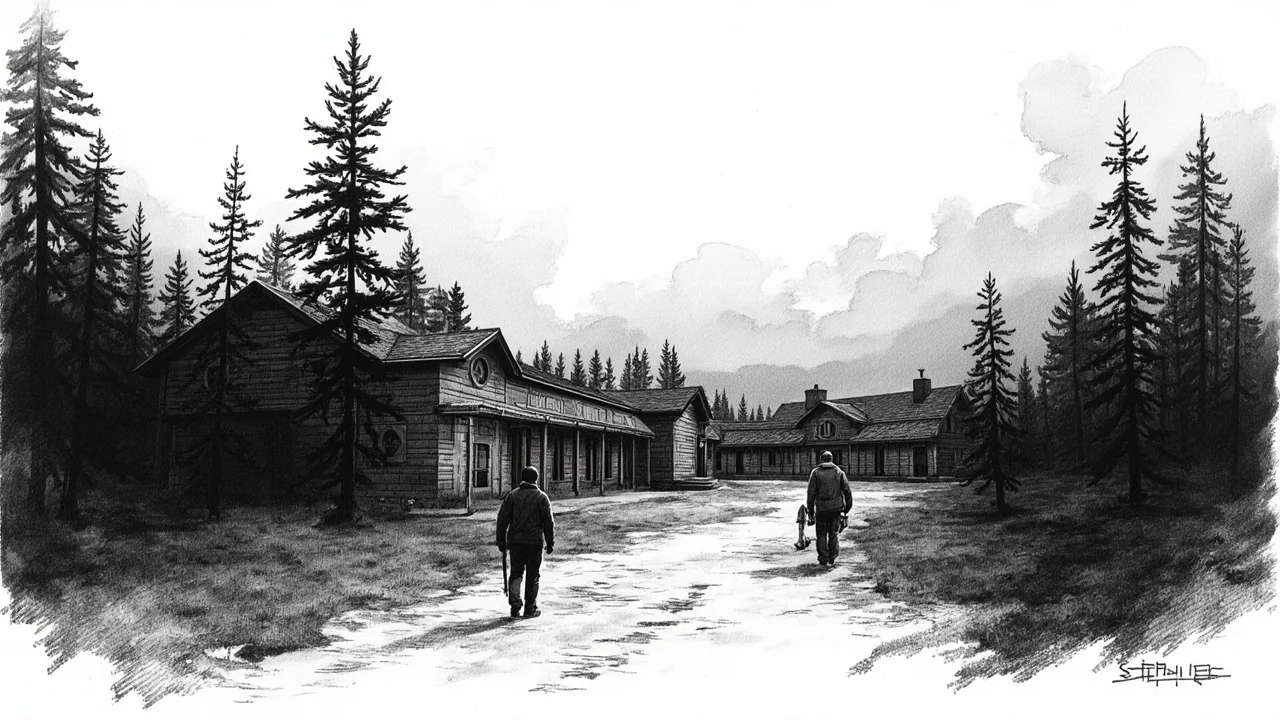
Finland's Ruokolahti parish has decided to demolish the Kauniskallio camp center, a lakeside retreat that has hosted generations of children and elderly parishioners since 1977. The decision follows an assessment of extensive repair needs and an estimated renovation cost of around two million euros. Future confirmation camps and parish retreats will now be held in Punkaharju, marking the end of an era for the community facility on the shores of Lake Saimaa.
The parish council concluded that constructing a new camp center is not currently feasible. The building, which underwent major renovations in the mid-1990s and again in 2023, requires further significant investment. Built originally 47 years ago, Kauniskallio has functioned primarily as a summer venue for the parish's activities, providing accommodation for up to 40 people. It has served as a site for children's camps, retreats for the elderly, and various daytime events, and was also available for external rentals.
The End of a Community Landmark
The demolition plan centers on the substantial financial burden of renovation. Parish officials stated that the required investment does not align with the building's seasonal and occasional use. The center's location, while picturesque on the Saimaa shoreline, contributed to maintenance challenges over the decades. The move to Punkaharju represents a shift to using an existing, maintained facility rather than managing aging owned property. This decision directly impacts the parish's annual calendar, where Kauniskallio was a fixed feature for summer gatherings.
A Timeline of Service and Renewal
The history of Kauniskallio reflects the post-war expansion of Finnish parish social and educational work. Its construction in 1977 provided a dedicated space for the type of communal, nature-based activities valued in Lutheran parish life. The major renovation in the mid-1990s extended its service life significantly, and the work done just last year indicates a recent effort to save the structure. However, subsequent evaluations revealed deeper structural or systemic issues that made continued upkeep financially unreasonable for the parish. The table below outlines the key specifications and timeline of the Kauniskallio camp center.
| Aspect | Detail |
|---|---|
| Year Built | 1977 |
| Location | Ruokolahti, shore of Lake Saimaa |
| Major Renovations | Mid-1990s, 2023 |
| Capacity | 40 persons |
| Primary Use | Summer camps, parish retreats, day events |
| Decision | Demolition due to repair costs (~€2M) |
| Future Venue | Punkaharju |
The Ripple Effects on Parish Life
This closure affects more than just logistics, it alters a tradition. For over four decades, children from Ruokolahti experienced their confirmation camps at this specific location, creating a shared memory anchor within the community. The elderly groups' retreats provided social connection in a familiar setting. The loss of an owned venue also means the parish loses a degree of autonomy and a potential source of rental income from external groups. Organizing events in Punkaharju, while a practical solution, requires adaptation and may affect participation due to the change in locale and atmosphere.
Financial Realities for Finnish Parishes
The situation in Ruokolahti is not isolated. Many parishes across Finland grapple with maintaining a large portfolio of properties, from churches to parish halls and camp centers, with congregations that are often shrinking or aging. The choice between investing large sums in historic buildings or redirecting funds towards mission and personnel is a constant tension. The two-million-euro price tag for Kauniskallio was deemed prohibitive, suggesting the parish's financial priorities lie elsewhere. This decision highlights the ongoing reassessment of physical assets within the Evangelical Lutheran Church of Finland.
Looking Toward Punkaharju
With the decision made, the parish's focus turns to transition. Punkaharju, known for its iconic ridge and scenic national landscapes, offers a different but established environment for future camps. Parish administrators must now integrate this new venue into their long-term planning, booking schedules, and communicating the change to all congregation members. The practicalities of transporting equipment, adjusting programs, and building new routines will define the next phase of the parish's retreat ministry.
What Demolition Means for the Site
The future of the actual lakeside plot in Ruokolahti remains an open question. Once the demolition is complete, the parish will be left with a vacant property. Options could include selling the land, holding it for potential future development, or simply maintaining it as a natural space for parish outings without buildings. This decision will be a separate financial and strategic consideration for the parish council, involving different factors than the maintenance of the existing structure.
The demolition of Kauniskallio camp center is a quiet but significant event, signaling a shift in how one Finnish parish manages its heritage and its resources. It closes a chapter defined by shared meals in the dining hall, nights in the dormitories, and campfires by the lake, memories that now belong entirely to the past. As the building comes down, the community will work to rebuild its sense of tradition in a new place, carrying forward the purpose of the gatherings, if not the familiar walls that contained them.