
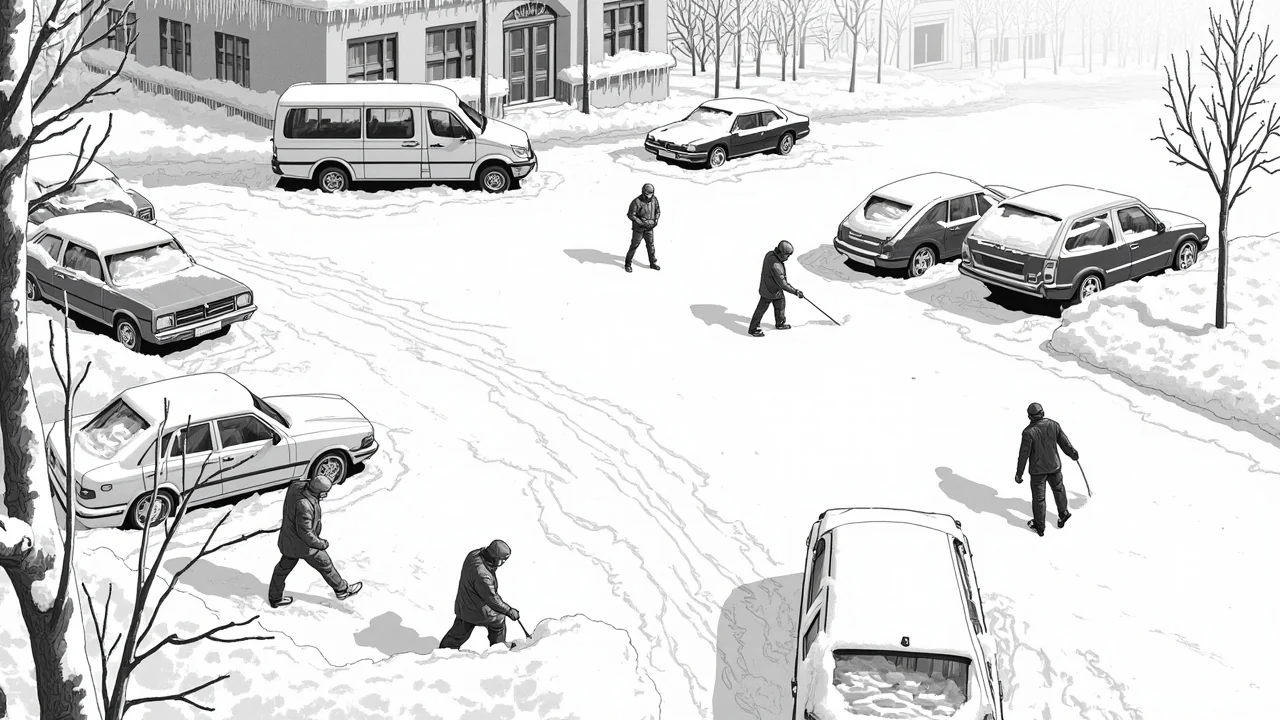
Finland's private parking enforcement company Parkkipate reports a surge in complaints from drivers citing winter conditions as excuses for parking violations, highlighting four common misconceptions that lead to fines. As harsh Nordic winters grip the country, many motorists erroneously believe that snowstorms or extreme cold suspend standard parking rules, but inspectors continue patrols regardless of weather. Parkkipate's CEO Christian Metsäranta emphasizes that driver responsibility remains paramount under all circumstances, with no exceptions for technical failures or obscured road markings. This enforcement ensures emergency vehicle access and orderly parking areas across Finnish cities, from Helsinki's government district to rural municipalities.
Weather Conditions Do Not Nullify Parking Rules
Parkkipate states that one prevalent myth among Finnish drivers is that parking regulations do not apply during heavy snowfall or severe frost. The company has received numerous appeals where motorists argue that fines should be canceled due to weather-related issues, such as being unable to open a car door to display a parking permit. Metsäranta clarifies that parking control operates normally in all conditions, and the obligation to follow rules stays with the driver. This policy aligns with national traffic laws designed to maintain safety and accessibility, particularly in urban centers where space is limited. For instance, in Helsinki, consistent enforcement helps prevent congestion around key areas like the Eduskunta or government offices.
Technical Failures Are Not Valid Excuses
Another frequent misconception involves digital parking discs failing in cold weather, with some drivers claiming this should exempt them from penalties. Metsäranta points out that technology malfunctions are a known risk of winter driving in Finland, and they do not absolve drivers from complying with parking statutes. If a digital disc stops working, the motorist must switch to a traditional manual disc or find another parking spot. This rule underscores the broader principle that vehicle owners must ensure their parking start time is clearly marked, regardless of equipment issues. The Finnish Transport Infrastructure Agency supports such measures to reduce disputes and streamline enforcement across private and public zones.
Snow Piles Do Not Justify Illegal Parking
Drivers often assume that snow piles created by plows permit parking in any available space or even on travel lanes. Metsäranta warns that this is a dangerous error, as incorrectly parked cars can block emergency routes in tight residential areas, turning them into hazardous zones. He stresses that even if an area is covered in snow, the driver's duty is to guarantee unobstructed passage for rescue vehicles. This aspect ties into Finland's strict safety regulations, which are reinforced by local municipal decisions and can involve fines or towing. In cities like Tampere or Oulu, authorities prioritize clearing paths for fire trucks and ambulances, making compliance critical.
Ski Resorts Are Not Exempt from Parking Controls
A fourth myth is that parking near ski centers is free and unregulated, especially during holiday seasons. Metsäranta notes that tourists often forget rules in the vacation mood, leading to a direct increase in penalty notices. Reality shows that parking is increasingly monitored near ski resorts, with more facilities offering paid parking options to accommodate all visitors. This trend reflects broader efforts in Finnish tourism policy to manage congestion and ensure fair access, supported by regional governments. For example, in Lapland, local councils have implemented stricter controls to balance economic benefits with logistical needs.
The Legal Framework Behind Finnish Parking Enforcement
Finnish parking rules are rooted in the Road Traffic Act and municipal regulations, which do not provide exceptions for weather or technical problems. Private companies like Parkkipate operate under contracts with property owners, enforcing these laws to maintain order. The Finnish Ministry of Transport and Communications oversees broader traffic policy, but day-to-day enforcement often falls to local authorities and private entities. This system ensures consistency across the country, from the capital region to remote villages, and is periodically reviewed by the Eduskunta to address emerging issues like urban density or climate adaptation.
Expert Perspective on Driver Responsibilities
Christian Metsäranta reiterates that appealing to device failures does not remove the obligation to adhere to parking regulations. He explains that private parking inspectors check vehicles in all weather to keep rescue routes open and parking areas organized. This approach is essential for public safety, particularly during Finland's long winters when conditions can deteriorate rapidly. Metsäranta's comments highlight the intersection of private enterprise and public duty, a common theme in Finnish governance where contracted services supplement state functions. His insights are backed by years of industry experience, reflecting a consensus among traffic safety experts.