
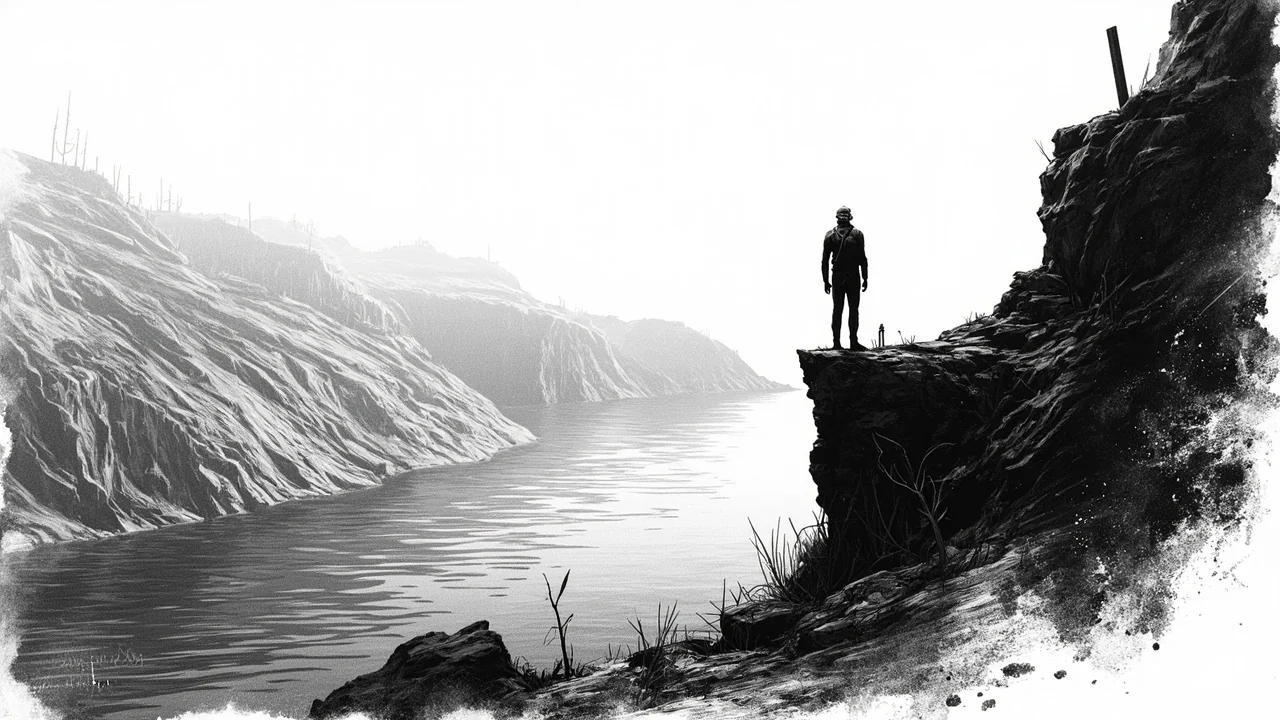
Finland's first recorded scuba diving fatality at a popular quarry site occurred on Friday when a diver died following an incident at Ojamo Mine Lake in Lohja. The accident was reported to the Western Uusimaa Police Department, who are now leading the preliminary investigation into the circumstances surrounding the death. The victim, whose identity has not been publicly released, was pronounced dead at the scene despite emergency response efforts. The specific details of the diving incident, including the diver's experience level, equipment used, and the exact nature of the emergency, remain under investigation by authorities.
The Ojamo Mine Lake Site
The diving accident took place at Ojamo Mine Lake, a flooded limestone quarry located approximately 60 kilometers west of Helsinki. The site is a well-known destination for technical and recreational divers within Finland, drawn by its clear, cold waters and submerged mining structures that can reach depths of over 60 meters. The lake's geology creates unique visibility conditions, but its depth and cold temperature, typically around 4 degrees Celsius at lower levels, present significant risks. Diving at the quarry is generally self-regulated by the diving community, with no permanent safety supervision on site. The location has been used for diver training and deep-water practice for years without a prior fatal incident being officially documented, making Friday's event a somber first for the Finnish diving community.
National Diving Safety Context
This tragic event places a spotlight on underwater safety protocols across Finland. According to data from the Finnish Border Guard, which oversees maritime rescue operations, and the Safety Investigation Authority (SIA), diving-related incidents requiring emergency response are relatively rare but carry high consequences. The SIA's statistics from the past decade show that serious diving accidents in Finland most frequently involve technical diving in challenging environments, such as deep lakes, wrecks, or under ice. While comprehensive national statistics on non-fatal diving incidents are not centrally compiled, rescue services report responding to several diving emergencies each year, often related to equipment failure, buoyancy control issues, or decompression sickness. The country's extensive coastline and over 180,000 lakes make water safety a perennial focus for authorities.
Investigation and Emergency Response Protocols
The Western Uusimaa Police have confirmed they are treating the death as an accident at this stage. The standard procedure involves securing the scene, interviewing witnesses and other divers present, and examining the recovered equipment. The police investigation will work to determine if there was any criminal negligence involved. Concurrently, the Safety Investigation Authority (SIA) will likely conduct its own independent safety investigation, as is standard procedure for serious accidents in specific transport and activity sectors. The SIA's role is not to assign blame but to identify systemic safety flaws and issue recommendations to prevent future tragedies. This dual-track investigation process is common for accidents in Finland that have broader safety implications for a public activity.
The Human Impact and Community Reaction
Beyond the official response, the death has sent shockwaves through Finland's close-knit diving community. Online forums and social media groups frequented by Finnish divers have been filled with messages of condolence and concern. Many experienced divers have emphasized the importance of rigorous training, proper planning, and never diving beyond one's certification limits, especially in an environment as demanding as a deep quarry. The incident serves as a stark reminder of the inherent risks of the sport, even for seasoned practitioners. The family of the deceased has requested privacy, and no memorial details have been announced publicly. The community now awaits the findings of the investigations, hoping for clarity on what went wrong and what lessons can be learned to enhance safety for all divers who explore Finland's unique underwater landscapes.
A Look at Finnish Safety Legislation
Finnish law regulates certain aspects of professional and commercial diving through occupational safety and health legislation, but recreational diving is largely governed by the principles of personal responsibility and the guidelines set by international training agencies like PADI, SSI, and CMAS. There is no national licensing requirement for recreational scuba divers in Finland, unlike for operating a motorboat. However, dive shops and training centers require certification for equipment rental and air fills, creating a de facto standard. The government's role has traditionally focused on broad water safety campaigns and supporting the volunteer-based lifeboat institutions. This tragic event may prompt discussions within the Ministry of the Interior and the Ministry of Social Affairs and Health about whether current frameworks are sufficient for managing the risks of advanced recreational diving at specific, well-known high-risk sites.
What Happens Next?
The immediate next steps are forensic. The police will await the results of an autopsy to confirm the precise cause of death. Investigators will meticulously log and analyze the diver's gear, including the buoyancy compensator device, regulator, tank, and dive computer, which can provide a detailed timeline of the dive's profile. Witness statements will be crucial in piecing together the diver's actions before submersion and the response once trouble was identified. The Safety Investigation Authority's process is longer, often taking many months to complete. Their final report will be published publicly and may contain safety recommendations directed at diving organizations, training agencies, site operators, or even governmental bodies. For now, the quarry remains a site of mourning, a reminder of a passion that carries the ultimate risk, and a focal point for a national conversation on responsibility beneath the surface.