
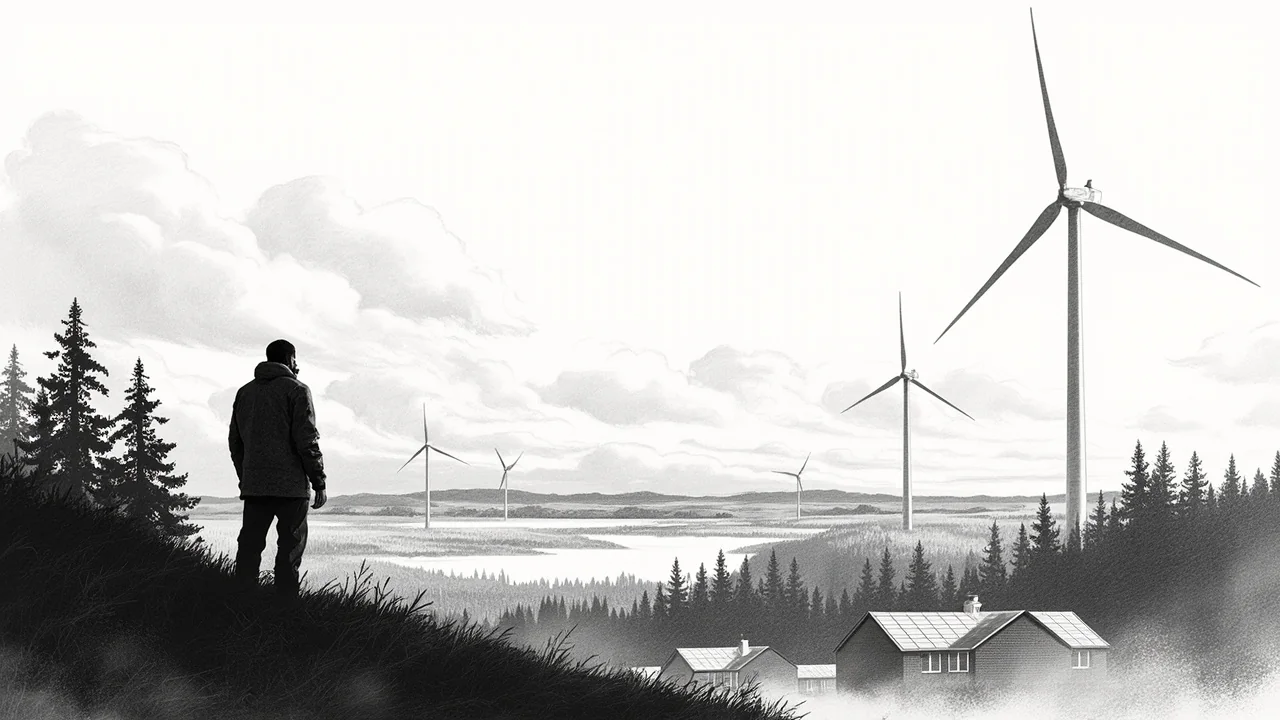
Finland's electricity production became 96 percent carbon-free last year, marking the definitive end of coal's role in the national grid. Energy industry leader Jukka Leskelä confirmed the milestone on Wednesday, stating the last coal-fired unit at the Salmisaari power plant was shut down in March 2025. The Meri-Pori coal plant remains in a security-of-supply reserve, operated only for a few hours at a time during test runs. This transition completes a dramatic shift, with carbon dioxide emissions from electricity generation plummeting 88 percent since 2010, from 17.5 megatonnes to just 2.0 megatonnes last year.
Total electricity consumption saw a fragile two percent growth to 85.5 terawatt-hours (TWh) in a notably warm year. Leskelä, director of Energiateollisuus ry, identified district heating's electric boilers, electric transport, and data centers as the primary drivers of this modest increase. Industrial electricity use grew only slightly, yet industry remains the largest consumer, holding a 42 percent share. However, a structural transformation in the forest industry has cut its power consumption by 12 TWh over two decades, leaving a significant gap from peak consumption levels seen in the 2000s.
A Transformed Generation Mix
The composition of Finland's power generation highlights its clean energy pivot. Nuclear power provided the largest share at 39.6 percent, followed by wind at 27.9 percent, hydropower at 15.6 percent, and biomass at 10.5 percent. Rapidly expanding solar power, though still a small contributor at 1.2 percent, has now surpassed all fossil fuel sources combined. This diverse mix has directly enabled the steep decline in emissions, which fell a further 10 percent from 2024 to 2025 and have dropped 52 percent since 2020.
Leskelä noted that electricity prices on windy days are often near zero, while prices rise during calm periods. "The amount of wind power is the biggest factor affecting prices, but many other factors also affect prices," he said. This price volatility presents both a challenge and an opportunity for the market, influencing the economics of future investments in flexible generation and storage capacity.
The Wind Power Paradox
Despite wind power's leading role in the renewable mix, its investment outlook has darkened. Wind capacity grew by 1,023 megawatts last year, reaching 9,433 MW by year's end, but Leskelä warned this growth trend is set to change. "The view for wind power is that investments in wind farms have slowed significantly," he stated. While some projects are in the pipeline, Leskelä explained they will not be completed until electricity consumption grows more substantially and prices rise.
This slowdown raises concerns about the sustainability of the supply chain. "The fear is that wind power subcontracting chains may begin to weaken when investments stop," Leskelä cautioned. The sector's future growth appears contingent on a stronger recovery in industrial demand and higher market prices, creating a potential bottleneck for maintaining the pace of the green transition.
Industrial Consumption and Future Growth
The trajectory of Finland's electricity system is now tightly linked to industrial demand. Other industrial electricity use beyond the forest sector has remained nearly stagnant. "Future growth can be fast. A lot depends on whether we get investments," Leskelä said, pinpointing industrial investment as the critical variable for the next phase of energy system development. The modest two percent consumption growth last year underscores the economy's current fragile demand.
The data reveals a system in transition between two eras. The first, defined by phasing out fossil fuels, is largely complete. The second, focused on building a new industrial and economic model on a foundation of cheap, clean electricity, is just beginning. The success of this next phase hinges on attracting the investments that will increase consumption and ensure the continued expansion of renewable capacity, particularly wind power.