
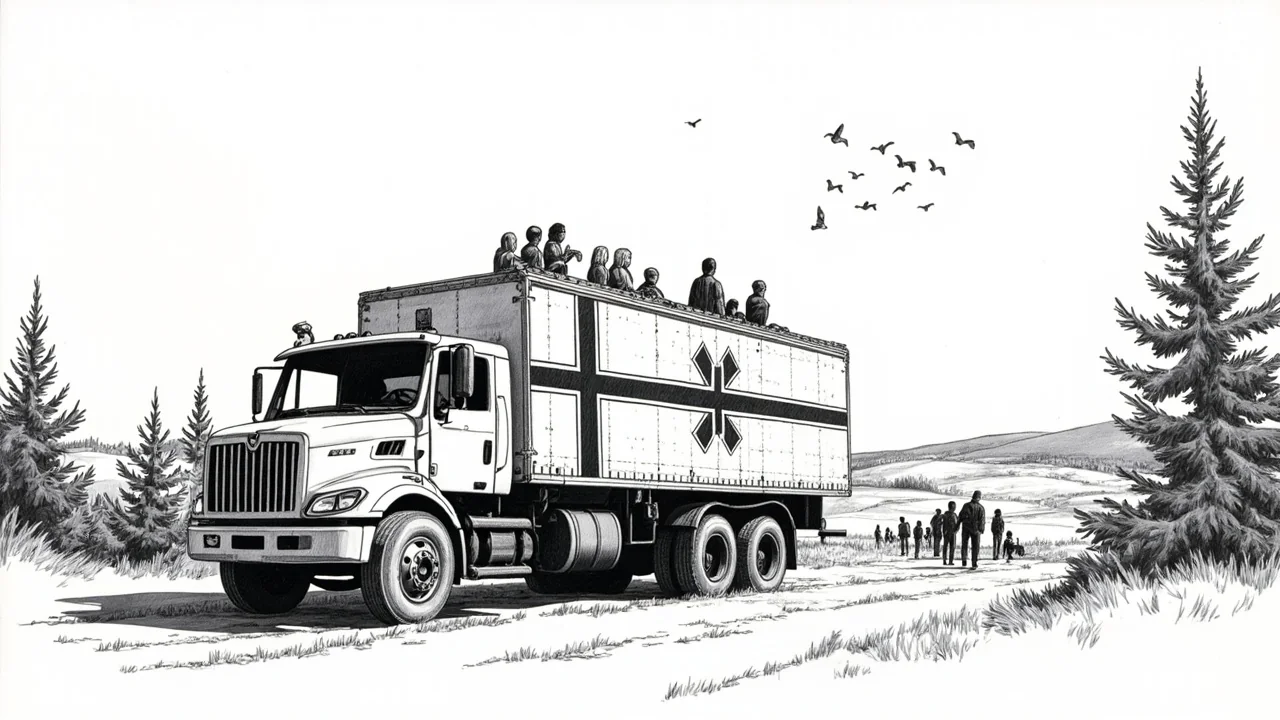
Finland's police in Jyväskylä are enforcing five key safety rules for graduation trucks carrying high school students this spring, with breathalyzer tests and vehicle inspections aiming to prevent accidents during the annual 'penkkarit' parades. The checks focus on driver sobriety and truck modifications, ensuring that lavishly decorated vehicles can safely transport dozens of excited graduates through city streets. This proactive approach comes as experienced drivers like Johanna Flyktman share hard-earned advice to navigate the unique challenges of having a truckload of teenagers as cargo.
The Graduation Parade Tradition
Graduation parades, known as 'penkkarit', are a cherished Finnish tradition where high school seniors celebrate the end of their exams by riding on decorated trucks through their hometowns. These events, which mark the transition to adulthood, often involve elaborate costumes, music, and cheering crowds, but they also pose significant safety risks if not properly managed. The trucks, typically open-bed vehicles, must be equipped to handle students standing or sitting on the back, which requires strict adherence to safety protocols to avoid falls, injuries, or exposure to exhaust fumes. In Jyväskylä, like in many Finnish cities, local police have established routine inspection points to vet every participating truck before the parade begins, recognizing that prevention is crucial for a joyful yet secure celebration.
Police Inspection Protocols
Jyväskylä police conduct thorough inspections that start with mandatory breathalyzer tests for all drivers to ensure they are sober before taking on their young passengers. Officers then examine the trucks themselves, paying close attention to structural modifications. A critical rule is that the side railings or barriers on the truck bed must be at least 120 centimeters high to prevent students from accidentally tumbling over during movement. Additionally, police verify that the exhaust pipe is positioned under the vehicle rather than pointing upward, which could allow harmful gases to accumulate in the passenger area and lead to carbon monoxide poisoning. These checks are non-negotiable, and any truck failing to meet standards is barred from the parade until corrections are made, underscoring the zero-tolerance approach to safety violations.
A Driver's Detailed Safety Advice
Johanna Flyktman, who is driving graduates for the sixth time this year, emphasizes that safety hinges on numerous small details that might seem minor but can have major consequences. Her first step is to melt and dry any snow or ice in the truck bed inside a heated garage, creating a non-slip surface before students board. During the parade, if ice begins to form from cold weather or moisture, she stops to salt or sand the bed to maintain traction. Flyktman also advises students to wear sturdy, flat-soled shoes rather than high heels or slippery footwear, noting that balancing on a moving truck requires stable footing. 'It's not worth teetering around up there in high heels,' she says, highlighting how proper attire can prevent falls and injuries amidst the festivities.
Understanding the Risks and Solutions
Each safety measure addresses specific risks inherent in graduation parades. The 120-centimeter railing height, for instance, is set to match average human center of gravity, reducing the chance of falls even if the truck jolts or turns sharply. Similarly, positioning the exhaust pipe downward prevents toxic fumes from rising into the truck bed, where enclosed spaces could trap gases and cause respiratory issues or poisoning over time. Flyktman's focus on a dry, gritted surface tackles the slip-and-fall hazards that are common in Finland's often icy spring conditions, where wet clothing or celebratory drinks might spill. These precautions reflect a broader cultural commitment to public safety in Finland, where community events are planned with meticulous care to protect participants, especially youth.
The Broader Impact of Safety Culture
The graduation truck inspections in Jyväskylä are part of a wider Finnish practice where local authorities collaborate with citizens to uphold safety standards during large gatherings. By involving experienced drivers like Flyktman in sharing best practices, police foster a sense of shared responsibility that extends beyond mere compliance with laws. This approach not only prevents accidents but also educates new generations about risk management in celebratory contexts, potentially influencing future event planning across the country. The emphasis on sobriety checks, vehicle integrity, and passenger preparedness sets a precedent for other seasonal festivities, reinforcing Finland's reputation for prioritizing well-being through practical, enforceable rules rather than relying on warnings alone.