
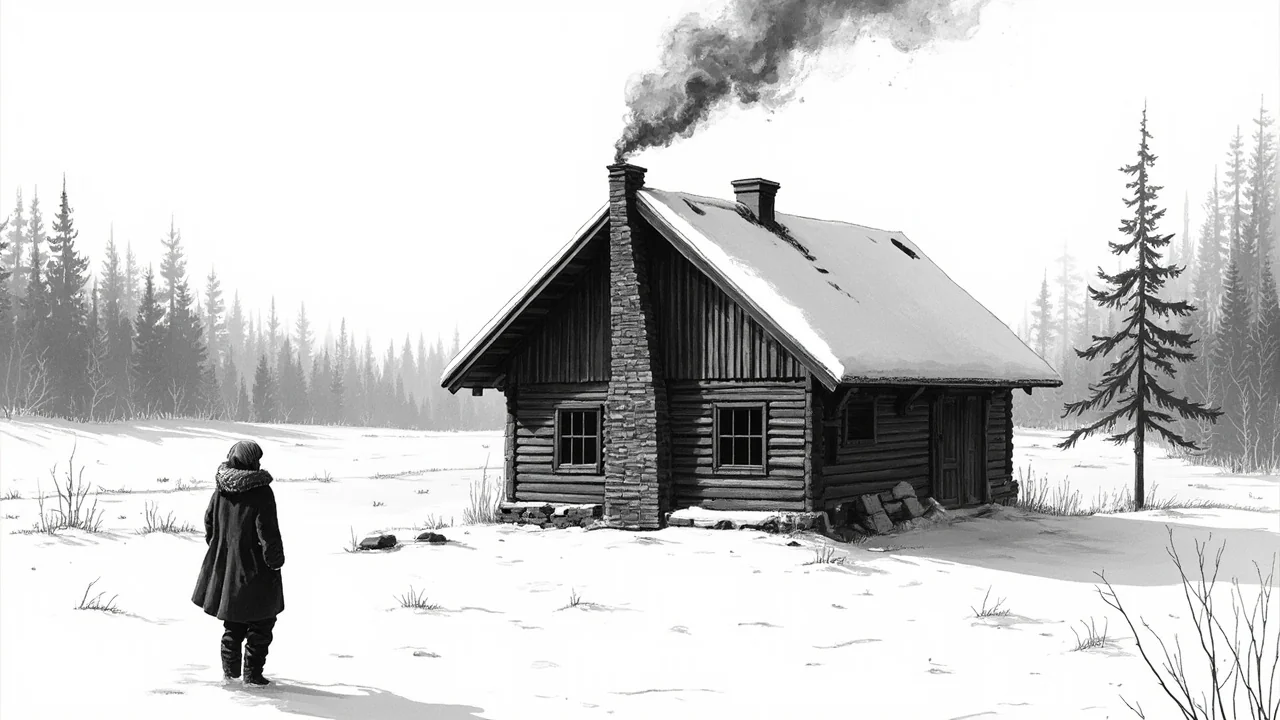
Finland's emergency services responded to a significant structural fire in Pieksämäki late Sunday night, a blaze that highlights persistent national fire safety challenges. The South Savo Rescue Department received the alarm at 10:45 PM for a fire at a roughly 100-square-meter outbuilding on Vehmaskyläntie. Firefighting units from Haukivuori, Virtasalmi, and the Pieksämäki fire station were dispatched to the scene, where they found the building's wall and roof structures fully involved. Preliminary investigation points to an overheated chimney flue from a fireplace as the most probable cause, a common yet dangerous trigger for rural and suburban property fires across the country.
Initial actions by people on-site proved critical. They managed to contain the fire effectively with early firefighting efforts before professional crews arrived. This swift intervention limited the initial spread, allowing firefighters to focus on the most dangerous hidden hotspots. "The fire had spread into the wall and roof structures," a rescue department representative said in a statement. "People present had succeeded in containing the fire effectively with their initial firefighting actions." Despite the severity, the incident resulted in no personal injuries, a testament to both the effective initial response and the subsequent professional operation.
Containing the Hidden Threat
The firefighting operation transitioned from containment to a complex extraction of hidden flames. Crews discovered that the fire had established deep-seated pockets, or fire nests, within the building's wall cavities. These are particularly hazardous as they can smolder undetected and reignite long after visible flames are extinguished. To reach and fully extinguish these pockets, the rescue department's crew was forced to dismantle sections of the building's structure. This deliberate demolition is a standard but labor-intensive tactic to ensure complete extinguishment and prevent a rekindle. The strategy was successful, with the department confirming all hidden fire nests were quelled.
Overall, fire damage was confined to a relatively small area given the potential for a fully developed structural fire. The successful limitation of damage can be directly attributed to the sequence of responses: effective citizen action, rapid professional deployment from multiple stations, and thorough overhaul procedures. The incident serves as a real-world test of Finland's distributed rescue service model in a rural municipality, demonstrating both its strengths and the universal dangers posed by heating systems as winter approaches.
A Recurring National Challenge
This fire in Pieksämäki is not an isolated incident but part of a recurring pattern in Finnish fire safety data. Chimney and flue-related fires, often due to overheating, insufficient cleaning, or faulty construction, represent a significant portion of building fires annually, particularly in detached houses, summer cottages, and outbuildings. The Ministry of the Interior and the Finnish National Rescue Association (SPEK) consistently run public awareness campaigns ahead of the heating season, emphasizing regular chimney sweeping and safe fireplace use. Despite these efforts, similar incidents occur every year, causing millions of euros in property damage and, in worse cases, loss of life.
The timing of this fire is especially poignant. It occurred as temperatures drop across the region, leading to increased use of fireplaces and wood-burning stoves. This seasonal spike in heating-related fires is a well-documented trend that rescue authorities prepare for. The Pieksämäki case underscores the message that a moment of inattention or deferred maintenance can have serious consequences. It reinforces official guidance that chimneys and flues should be inspected and cleaned by a professional at least once a year, and more frequently if the fireplace is used as a primary heat source.
Analysis: Systemic Protections and Citizen Preparedness
From a policy perspective, this incident sits at the intersection of building regulations, emergency service readiness, and individual responsibility. Finland's building code includes strict requirements for fireplace and chimney installations, but a vast number of existing buildings, like older piharakennus (outbuildings), predate the most stringent rules. Retrofitting and maintenance thus fall to property owners. The government supports prevention through public information, but enforcement is limited. There is no nationwide mandatory chimney inspection regime for private homes, placing the onus on personal diligence.
The positive outcome in Pieksämäki highlights two key factors. First, the value of basic firefighting knowledge and accessible equipment for citizens. The fact that individuals on site could initiate effective containment likely changed the entire trajectory of the event. Second, it demonstrates the efficiency of Finland's inter-municipal rescue cooperation. The dispatch of units from Haukivuori and Virtasalmi alongside the local Pieksämäki station shows the resource-sharing models that ensure adequate coverage in less densely populated areas. This model is crucial for maintaining response times outside major urban centers.
However, expert commentators often note that reliance on citizen intervention is a double-edged sword. While it can prevent disaster, it also risks encouraging unsafe actions by untrained individuals. The official stance from rescue services is always to prioritize evacuation and alarm, but the reality in rural areas, where response times are longer, often leads to attempts at initial suppression. This dynamic suggests a need for continued and targeted training for homeowners in basic, safe fire response techniques, particularly for common scenarios like chimney fires.
The Broader Context of Fire Safety Governance
Finland's approach to fire safety is decentralized, with 22 regional rescue departments operating under the umbrella of the Ministry of the Interior. Funding and resource allocation are perennial topics in the Eduskunta, especially as demographic changes strain services in rural areas. Incidents like the Pieksämäki fire provide concrete examples for policymakers debating resource levels. They illustrate the types of calls services must be ready for: structural fires requiring technical demolition, multi-unit responses, and dealing with common ignition sources.
Furthermore, the incident touches on broader EU safety standards. While building product regulations are harmonized, operational fire safety and response remain largely a national competence. Finland often participates in EU civil protection mechanisms and exchanges best practices, but the frontline work is deeply local. The effectiveness of this local response, as seen in South Savo, is a key metric for national safety. It also indirectly tests the preparedness for more severe scenarios, where multiple simultaneous incidents could stretch the same shared resources.
Looking Ahead: Prevention in the Heating Season
As Finland moves deeper into autumn, rescue departments will intensify their preventative messaging. The Pieksämäki fire is a ready-made case study for these campaigns. It has all the hallmark elements: a common cause, successful containment through layered response, and a fortunate avoidance of injury. Authorities will use such real-life examples to urge homeowners to schedule chimney sweeps, check smoke detectors, and review their fire safety plans.
The question for property owners across the country is a simple one: Is your heating system ready for winter? For one property in Pieksämäki, the answer was unfortunately no, leading to a dramatic late-night emergency. The successful resolution of that emergency showcases a system working as designed, but the ultimate goal of Finnish fire safety policy is to prevent these alarms from sounding in the first place. The charred structure on Vehmaskyläntie now stands as a silent, stark reminder of that ongoing challenge.