
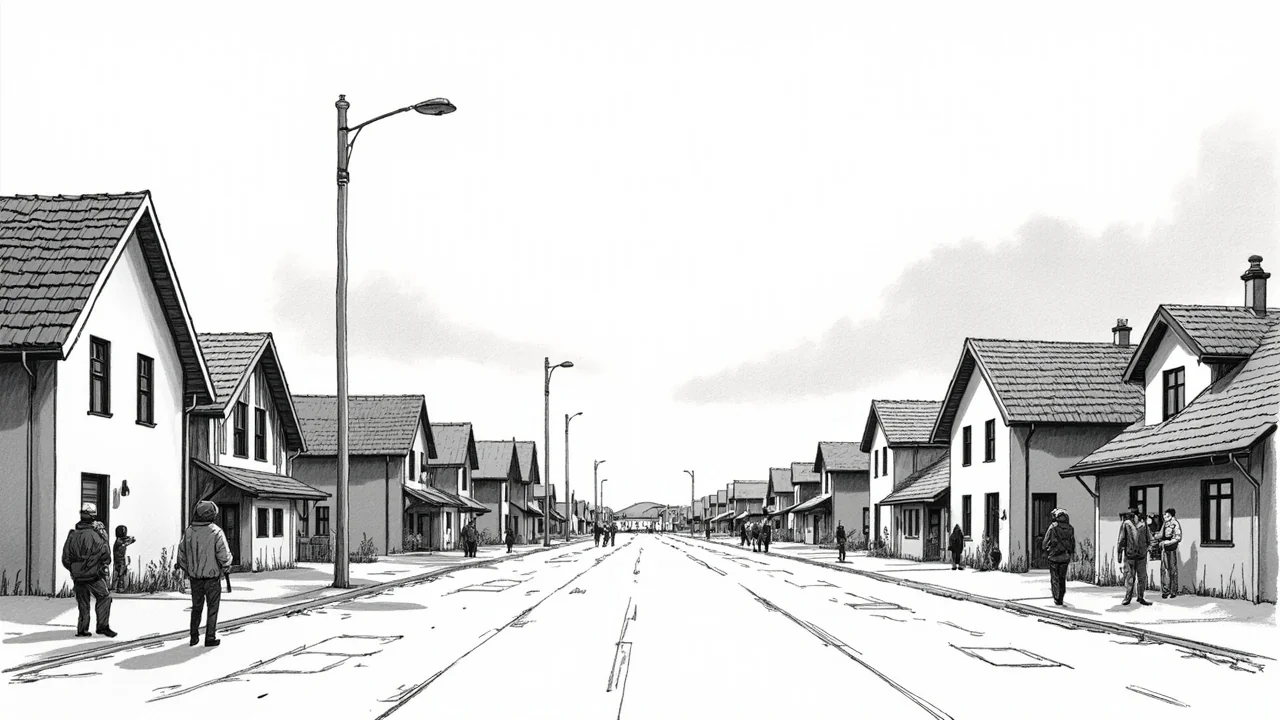
Finland's housing market is witnessing a quiet but significant policy pivot in one of its eastern cities, moving from apartment blocks to detached houses. Lappeenranta city officials are preparing a detailed zoning amendment, or 'kaavamuutos,' for a plot in the Kourula district. This plot, currently designated for terraced and apartment buildings under the valid city plan, is now slated for single-family home construction.
Shifting Demand Drives Policy Change
The city stated the amendment's background is the need to align the area's detailed plan with contemporary requirements. The existing plan, primarily aimed at apartment construction, has been deemed outdated. Officials assessed its implementation as uncertain given current market conditions. This move reflects a broader reassessment of urban development strategies in medium-sized Finnish cities, where demographic trends and buyer preferences are actively reshaping long-term municipal blueprints.
The Specifics of the Kourula Amendment
The plot in question is located at Honkakatu. The formal process to change its classification from a block of flats and row house area to a plot for detached houses is now underway. This procedural change is not merely administrative. It represents a concrete allocation of land, infrastructure planning, and a commitment to a different form of residential community. The decision follows internal reviews by the city's planning department, which concluded that the old plan no longer serves its purpose effectively in the current economic and social climate.
The Rationale Behind the Reversal
In its announcement, the city provided a clear rationale. It stated that single-family homes respond better to current needs and demand than apartment buildings. This conclusion is drawn from local market analysis and engagement with developers. For years, Finnish urban planning in growing areas often defaulted to higher density models. The Lappeenranta case indicates a pragmatic recalibration, where cities are adapting their plans to match actual, on-the-ground demand for specific housing types, even if it means revising previously settled plans.
The Kaavamuutos Process Explained
The amendment process is a standard yet thorough feature of Finnish land use planning. It involves drafting a new plan proposal, conducting mandatory assessments, and organizing a public review period where citizens and stakeholders can voice opinions. The proposal will eventually require a decision by the Lappeenranta City Board. This process ensures that such changes are not made lightly but are subject to scrutiny and democratic input. The city's current work is in the preparatory stages, setting the groundwork for this formal consultation and decision-making pipeline.
Broader Implications for Finnish Urban Development
While focused on a single plot, this initiative in Lappeenranta may signal a wider trend among similar Finnish cities. Municipalities are increasingly tasked with being flexible. They must balance the efficiency of dense housing with the persistent Finnish dream of owning a detached house with a private yard. When pre-existing plans for apartments face stagnation due to lack of developer interest or financing, cities like Lappeenranta are choosing to unlock land for a housing model that has consistent market demand. This helps ensure land is developed productively, adds to the tax base, and meets citizens' housing aspirations.
Historical Context of the Honkakatu Plot
The Honkakatu plot's previous designation for higher-density housing likely originated in an earlier urban development strategy for the Kourula district. Such strategies, common in the 2000s, often prioritized efficient land use and the creation of compact urban neighborhoods. However, the sustained demand for single-family homes, even in urban areas, has challenged that model's universality. The city's decision to amend the plan acknowledges that the original vision for this specific parcel did not materialize as expected and that a new approach is warranted.
Next Steps in Lappeenranta
The city's planning department will now refine the technical details of the amendment. This includes defining exact plot boundaries, access roads, utility connections, and any associated environmental guidelines for the new detached house area. Following this, the proposal will enter the public participation phase. The success of this amendment will ultimately be measured by its eventual adoption and the speed at which the newly zoned plots attract builders and buyers, transforming the plan on paper into a new neighborhood in reality.
A Pragmatic Response to Market Realities
This zoning amendment is fundamentally a pragmatic response from Lappeenranta's municipal government. It is an admission that even the best-laid plans must sometimes adapt to changing realities. By choosing to rezone the Honkakatu plot, the city is opting for a development path with a higher probability of execution. It is prioritizing the activation of land for housing that people demonstrably want to buy and live in, rather than holding to a theoretical model of urban density that the market is currently bypassing in this specific location.
The final outcome will depend on the delicate interplay between municipal planning, developer confidence, and future housing seekers, setting a potential precedent for other plots across Finland facing similar implementation challenges.