
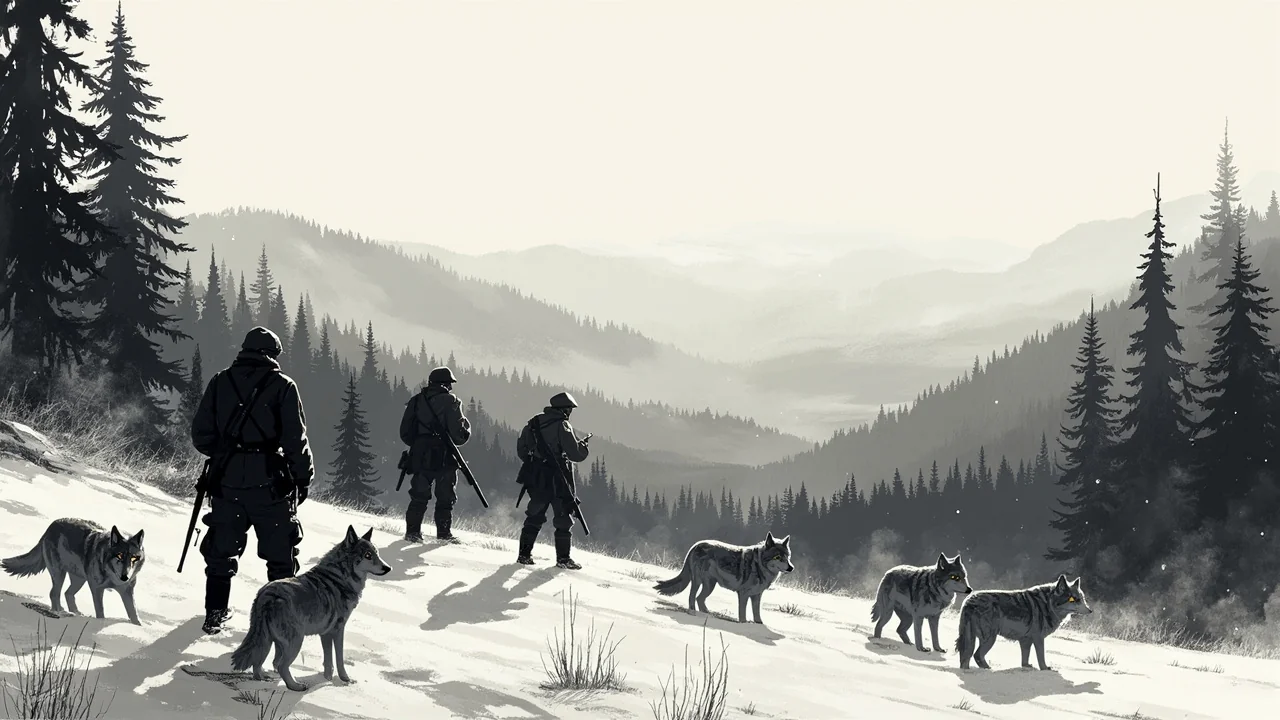
Finland's first wolf quota hunt of the season has removed three male wolves from three separate regions, with authorities stating the kills are crucial for preserving the genetic purity of the native population. The wolves were shot in Southeastern Finland, the Kaskinen-Närpiö area, and the Peurainneva region as part of a managed cull that began at the start of the year. The Natural Resources Institute Finland, known as Luke, confirmed the details after analyzing DNA samples submitted by hunters from the kills. 'The removal of three male wolves from the breeding population from three different areas is a great thing and important for maintaining the genetic purity of the wolf population in these areas,' said Luke's special researcher Mia Valtonen in the institute's official statement. The quota hunt specifically targets male wolves classified as a harmful alien species under Finnish law.
The Science Behind the Cull
DNA sampling is a mandatory part of the wolf quota hunting process in Finland. Hunters who successfully shoot a wolf must submit a tissue sample to Luke for genetic analysis. This allows authorities to track which specific animals have been removed from the population and to monitor the genetic health of the remaining packs. The institute had analyzed samples received by January 12th, identifying the three animals as male wolves, or 'koirasudet'. Following this confirmation, the harvest data for these wolves was removed from the official quota hunt tracking system. This meticulous process is designed to ensure the hunt aligns with its stated ecological goals rather than simply reducing numbers. The classification of certain wolves as a harmful alien species stems from genetic studies indicating mixing with dogs, which conservationists aim to prevent to protect the native Finnish wolf lineage.
Legal Framework and EU Context
Wolf management in Finland operates within a complex legal framework that balances national legislation with European Union directives. The Finnish Ministry of Agriculture and Forestry sets the annual wolf population management plan and hunting quotas based on recommendations from Luke. This year's plan permits hunting in specific areas where wolves have been deemed to pose a threat to livestock or where the genetic background requires management. The practice, however, exists in a tense relationship with the EU's Habitats Directive, which strictly protects the wolf across most member states. Finland has defended its policy by invoking derogations within the directive that allow member states to permit hunting under specific circumstances, such as preventing serious damage to livestock or, as in this case, for reasons of compelling public interest linked to population genetics. This puts Finland in a small group of EU nations, alongside Sweden, that conduct regular licensed wolf hunts.
Regional Breakdown and Quota Goals
The three wolves were taken from distinct geographical areas, highlighting the targeted nature of the quota. The Southeastern Finland region has consistently been a focal point for wolf conflicts due to its mix of forestry, rural habitation, and game animal populations. The Kaskinen-Närpiö area on the west coast represents a different ecological zone, while Peurainneva is located in the west-central part of the country. By removing a single male from each of these separate territories, the authorities aim to prevent genetically impure wolves from breeding and spreading their genes within those local populations. The overall national quota for this hunting period is a carefully calculated figure intended to reduce hybridization risk without destabilizing the overall wolf population, which is estimated to be around 300 individuals. The success of the hunt is measured not just in numbers but in the genetic profile of the animals removed.
Historical Precedent and Public Debate
The wolf has been a deeply contentious species in Finland for decades, swinging from being nearly eradicated to receiving protected status and back to managed hunting. The current model of quota-based hunting for genetic management is a relatively recent policy development. It follows years of intense debate between rural communities, particularly reindeer herders in the north and sheep farmers elsewhere, who suffer predation, and urban-based conservation groups. The Finnish Parliament, the Eduskunta, has repeatedly wrestled with legislation to address the issue, often finding that strict protection led to increased poaching and social conflict. The shift towards a managed, scientifically monitored hunt was an attempt to create a legal outlet that would increase compliance and social acceptance in rural areas while pursuing a specific conservation goal—preserving the genetic integrity of Canis lupus lupus, the Eurasian wolf.
The Path Forward for Predator Policy
The removal of these three wolves is just the initial phase of this year's management cycle. Authorities will continue to monitor the remaining packs through DNA analysis, camera traps, and field observations to assess the impact. The long-term success of the policy will be judged on whether hybridization events decrease in the targeted areas. Critics of the hunt, including some environmental organizations, argue that the alien species classification is misapplied and that non-lethal methods should be prioritized. They contend that the EU's strict protection should remain paramount. Supporters, including hunting associations and many rural municipalities, view it as a necessary and pragmatic tool for coexistence. As the snow settles in the forests of Kaakkois-Suomi, Kaskinen-Närpiö, and Peurainneva, the debate over these three wolves will continue to echo Finland's broader struggle to define its relationship with large carnivores in the 21st century.