
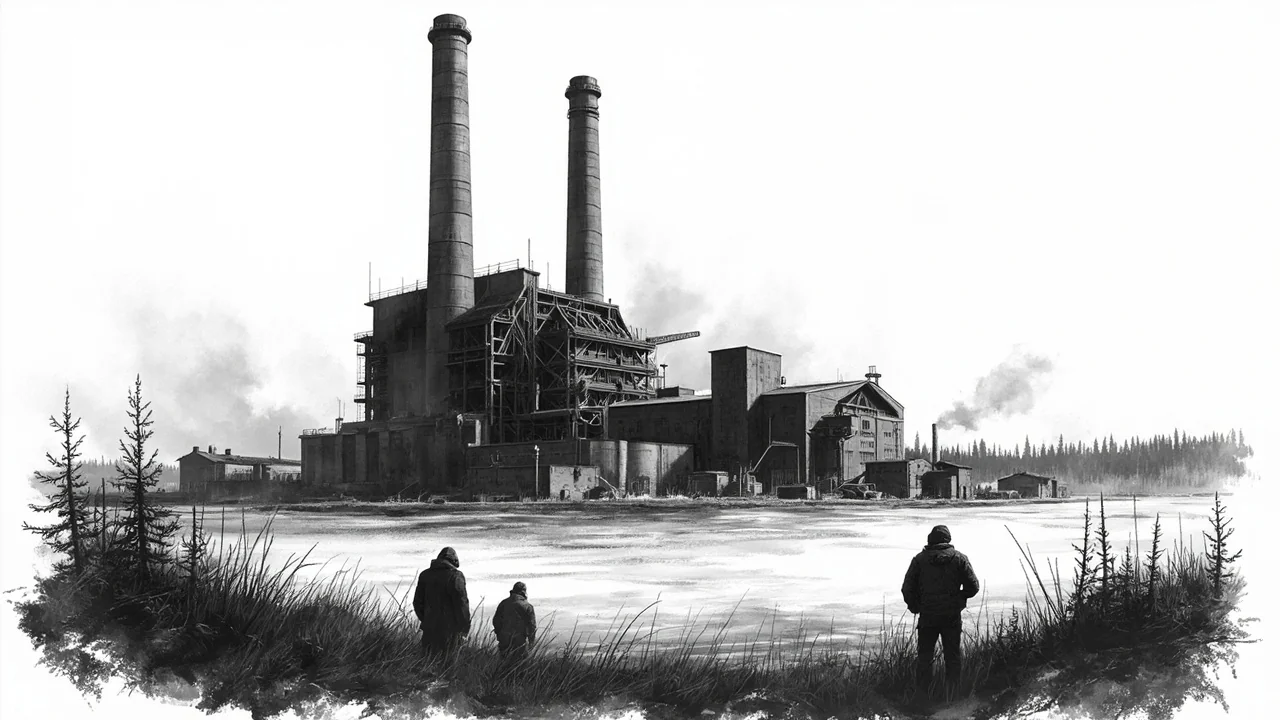
Finland's 565-megawatt Meri-Pori coal plant remains offline despite record electricity prices, creating a stark paradox in the nation's energy landscape. As bitter cold and low wind power output drive costs upward, this massive reserve sits idle, reserved strictly for emergencies by the Huoltovarmuuskeskus (HVK), the state's security of supply center. The plant, owned by Fortum, could theoretically ease price spikes, but contractual and policy barriers prevent its use for market stabilization, highlighting a tension between immediate economic relief and long-term security protocols.
The Price Spike and Idle Capacity
Electricity prices in Finland have surged due to a combination of severe frosts and diminished wind power generation. Wind turbines have suffered from weak winds and icing on blades, reducing output at a time of high demand. This supply crunch has pushed prices to levels that strain consumers and businesses alike. In response, commentators have questioned why the Meri-Pori plant, with its significant capacity, isn't activated to inject power into the grid and dampen price increases. The plant is under a reserve contract with HVK from April 1, 2024, to December 31, 2026, designed for crisis use only, not market interventions.
HVK's Mandate and Legal Barriers
Janne Känkänen, CEO of HVK, explicitly states that the Meri-Pori plant cannot be used to manage price peaks. 'The power plant is not on the electricity market during the contract period. We cannot use it to smooth out price spikes,' Känkänen said. He emphasized that the operating rules were meticulously defined in collaboration with the Ministry of Economic Affairs and Employment and the Energy Authority. According to Känkänen, the plant may only be deployed in serious crisis and disturbance situations within the electricity system, or under exceptional circumstances. These include events like hybrid threats affecting power production or direct physical damage, such as the recent Estlink 2 cable break between Finland and Estonia.
The Estlink 2 incident, where a cable was severed on December 25, 2024, allegedly by a vessel linked to Russia's shadow fleet, exemplifies the type of crisis HVK is prepared for. However, a mere supply-demand imbalance leading to potential electricity shortages does not automatically qualify. Känkänen noted that such a scenario hasn't been tested to the extreme, and activating the plant would require negotiations, a declaration of exceptional circumstances, and the implementation of the Preparedness Act. From HVK's and the plant's perspective, there is no obstacle to using it as a last resort, but the legal hurdles are substantial.
Defining a Crisis Threshold
What constitutes a sufficient crisis to start the Meri-Pori plant? Känkänen clarified that this is an untested area, but fundamentally, it would hinge on a formal recognition of exceptional conditions. The current high prices, driven by weather and market dynamics, don't meet the threshold for emergency use as defined in the contract. This distinction underscores a policy choice: Finland's emergency reserves are siloed for true system failures, not economic volatility. The plant's role is to prevent blackouts in catastrophic events, not to act as a price moderator. Without this reserve agreement, Fortum would have shut down the facility, reflecting the economic pressures facing coal power in Finland's green energy transition.
Future Negotiations and Alternatives
The future of Meri-Pori as a reserve plant will be addressed in discussions next summer, with clear decisions expected by early autumn. Känkänen mentioned that alternative methods are on the planning board, though he declined to speculate on specifics. This upcoming review points to a broader debate on how Finland balances energy security with market efficiency. As the country phases out coal, such reserves become critical, but their deployment rules may need reassessment in light of increasing price volatility and geopolitical risks. The outcome could influence not only Meri-Pori but also other reserve capacities in Finland's energy portfolio.