
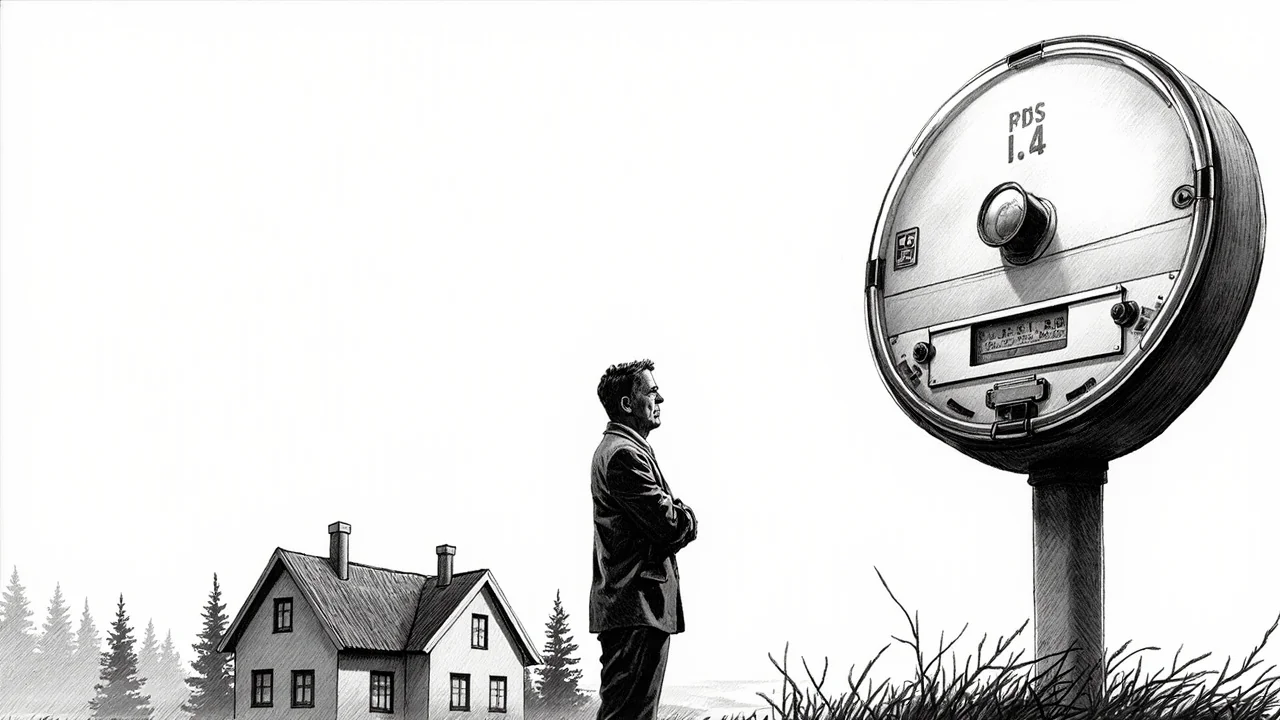
Finland's proposed electricity network power fee could see bills surge for single-family homes exceeding a five-kilowatt usage peak, a threshold critics call dangerously low for modern households. The draft regulation from the Energy Authority, intended to smooth consumption spikes, has drawn sharp criticism from the Finnish Homeowners' Association and politicians who warn of disproportionate costs for residents with electric heating, saunas, and cars. The fee would be charged on power consumption exceeding five kilowatts, calculated on the highest 15-minute peak usage each month.
Homeowners Face New Cost Calculations
Marju Silander, managing director of the Finnish Homeowners' Association (Omakotiliitto), has stated the five-kilowatt limit has caused significant worry. She argues the threshold is low from the perspective of ordinary daily life, where simultaneous use of a sauna, household appliances, and a hot water tank could already lead to noticeable costs. The situation would be worsened further by charging an electric car. The core fear is that a typical Finnish single-family home, which may combine electric heating, a sauna, a hot water tank, and an electric vehicle, could consistently breach this limit during routine activities, triggering the new fee.
The Rationale Behind the Power Fee
Energy Authority analyst Jaakko Kennilä defends the proposal's principle. He argues that if choosing a power-fee-based product has major impacts on an individual customer's or customer group's payments, it indicates that with current pricing structures, the network costs their electricity use causes have been shifted to other customer groups to pay. In that situation, he notes, the bills for those other customer groups would decrease. 'Overall, the charges would be allocated more accurately to those who cause the most additional costs to the network, for example through unmanaged electric vehicle charging,' Kennilä explained. The authority's stated goal is to create more cost-reflective pricing that incentivizes users to spread their consumption, thereby reducing strain on the grid and potentially delaying expensive network upgrades.
Regulatory Safeguards and Alternatives
Kennilä points to existing regulatory frameworks that would limit the impact. Network companies will continue to offer small customers alternative basic-fee-heavy products alongside the power-fee product. Furthermore, the cap on increases stipulated by the Electricity Market Act means that customer-group-specific fees can only rise a maximum of eight percent per year. This cap is designed to prevent sudden, shocking bill increases. The Energy Authority emphasizes it is considering all perspectives raised during the consultation period, reviewing them particularly in light of the legislative objectives for pricing. Kennilä did not comment on whether changes to the power fee model could be made in the final regulation, which is slated for completion in January.
The Broader Shift in Energy Policy
This proposed change reflects a wider transition in how electricity networks are financed and managed across Europe. The traditional model, often based largely on a fixed monthly fee and a per-kilowatt-hour energy charge, does little to discourage consumption during peak periods. These peaks—often on cold, dark winter evenings when heating, lighting, and cooking demands converge—require immense capacity that sits idle most of the time. Moving towards capacity-based or power-based fees aims to send a price signal that encourages load shifting, such as charging electric cars overnight or using timer functions on water heaters. Finland, with its high penetration of electric heating and growing EV fleet, is at the forefront of confronting this grid management challenge.
Stakeholder Reactions and Political Pressure
The criticism from Omakotiliitto carries significant weight, as it represents a large voter bloc sensitive to household cost increases. Their argument resonates in a country where the single-family home is a common aspiration and high energy costs are a perennial political issue. The concern is that the fee could act as a regressive tax on normal family life in detached houses, while apartment dwellers in larger buildings with different grid connections might be less affected. This urban-rural or housing-type divide is a potent political issue. Politicians, especially from opposition and centrist parties, have been quick to echo these concerns, putting pressure on the government to ensure the Energy Authority's final ruling is perceived as fair.
What Happens Next for Consumers?
For now, Finnish homeowners are advised to review their electricity contracts and understand their own consumption patterns. The final regulation, expected in January, will provide the definitive rules. Network companies will then design their specific fee-based and alternative products accordingly. Consumers will likely face a choice: opt for a traditional product with a higher fixed cost but less volatility, or choose a power-fee product and actively manage their peak consumption to save money. The success of the policy hinges on this consumer empowerment and the availability of smart technology, like apps and meters, that help households monitor and control their 15-minute power peaks. The coming months will determine whether this technical pricing model becomes a source of household budget anxiety or a accepted tool for a more resilient and efficient energy system.
A Nation Accustomed to Energy Challenges
Finns are no strangers to debates over energy costs and infrastructure, having navigated the transition from imported fossil fuels to a more diverse mix including nuclear, Nordic hydro, and growing renewables. The power fee debate fits into this longer narrative of seeking efficient, sustainable, and fair energy solutions. The outcome will set a precedent for how Finland manages the electrification of transport and heating, a critical component of its climate goals. As the Energy Authority finalizes its work, it must balance the technical imperative of grid stability with the socio-political imperative of equitable costs. The question remains: can a system be designed that fairly charges for peak-time grid use without penalizing the normal rhythms of Finnish home life?