
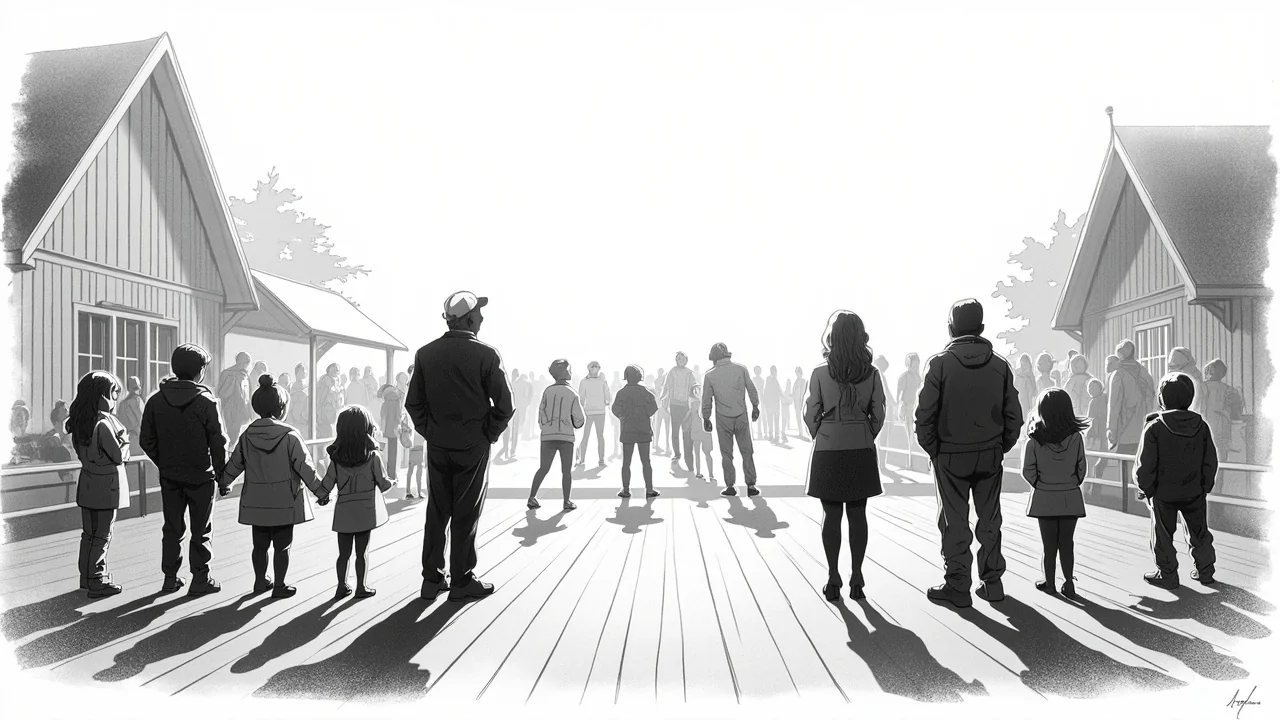
Finland's education union OAJ has proposed increasing annual preschool hours to 760, a move that directly conflicts with a newly published study showing extended early education does not improve learning readiness. This proposal aims to raise the minimum from 700 hours, meaning four hours of daily instruction for six-year-olds, sparking a significant policy debate in Helsinki's government district. The clash between union advocacy and research findings places early childhood education at the forefront of Finnish political discourse, with implications for national curriculum planning and resource allocation.
OAJ's Proposal for Longer Preschool Days
The Trade Union of Education in Finland, known as OAJ, has formally suggested expanding preschool duration to 760 hours per year. This increase from the current minimum of 700 hours would standardize daily sessions at four hours, up from variable schedules across municipalities. OAJ represents teachers and educational staff, and its proposal is part of ongoing negotiations for early childhood education reforms. The union has not detailed specific reasons for the hour increase in public statements, but it aligns with broader discussions on enhancing school preparedness. Finnish education policy often sees union inputs shaping Eduskunta legislation, making this a key point for government consideration.
Preschool in Finland is a universal, free provision for all six-year-olds, serving as a bridge between early childhood care and compulsory basic education. The system is integrated into the national core curriculum, emphasizing play-based learning and social skills development. Any change to its structure requires careful scrutiny by the Ministry of Education and Culture, with potential impacts on municipal budgets and teacher workloads. Historically, Finnish preschool has been praised internationally for its quality, but recent debates focus on optimizing hours amid evolving educational needs. The OAJ proposal comes as the government reviews early childhood strategies, possibly influenced by EU benchmarks for early education access.
Conflicting Research on Learning Benefits
A recent Finnish study, published without immediate response from OAJ, indicates that even a two-year preschool program fails to significantly boost children's learning readiness. This research challenges the assumption that more instructional time automatically leads to better academic outcomes in early years. The findings are based on longitudinal data from Finnish classrooms, examining cognitive and social development metrics. They suggest that factors like teaching quality and individualised support may outweigh sheer hours of instruction. This study adds to a growing body of international evidence questioning the efficacy of extended early schooling.
The research implications resonate in Helsinki, where policymakers must balance empirical evidence with stakeholder demands. Previous Finnish reforms have heavily relied on educational research to guide decisions, such as the focus on equity and minimal standardized testing. The contradiction between OAJ's call for more hours and this study's results creates a paradox for the government. It raises questions about whether resource investments should target time expansion or alternative improvements like smaller group sizes or teacher training. As the debate intensifies, references to EU directives on early childhood education quality may inform national policy adjustments.
Political and Educational Context in Finland
Finland's preschool system is administered by municipalities under national guidelines, with the current 700-hour minimum established in past Eduskunta votes. The OAJ proposal aligns with some political party platforms, particularly those advocating for stronger educational frameworks, but faces skepticism from others citing fiscal constraints. The Centre Party and Social Democrats have historically supported early education investments, while the National Coalition Party emphasizes efficiency and evidence-based policy. This divide may influence upcoming parliamentary discussions, especially as Finland addresses broader EU goals for childhood development.
In the Helsinki government district, officials from the Ministry of Education and Culture are analyzing both the OAJ proposal and the new research. They must consider logistical challenges, such as staffing and infrastructure, if hours are increased. Finnish preschool teachers, represented by OAJ, often highlight working conditions and educational outcomes in their advocacy. However, the study's findings complicate their position, suggesting that professional development might be more critical than additional hours. This tension reflects a larger trend in Finnish politics where union interests sometimes clash with academic research, requiring careful negotiation.
Potential Outcomes and Future Discussions
The OAJ proposal is likely to be reviewed by parliamentary committees, with hearings involving educators, researchers, and parent groups. Previous policy shifts in Finnish education, like curriculum updates, have followed extensive stakeholder consultation. The government may commission further studies to assess the specific impacts of hour increases on diverse student populations. EU funding programs for early childhood initiatives could also play a role, as Finland aligns its policies with transnational educational standards.
As the debate unfolds, key questions remain about how Finland will reconcile union advocacy with scientific evidence. Will the Eduskunta prioritize OAJ's proposal for longer preschool hours, or will it heed research suggesting alternative approaches? This decision will shape early childhood education for years, influencing Finland's reputation for innovative schooling. The outcome may set a precedent for other Nordic countries grappling with similar issues of time versus quality in education.
Conclusion: Balancing Evidence and Advocacy
Finland's preschool hour debate underscores a critical juncture in education policy, where tradition meets emerging research. The OAJ union's push for 760 annual hours, against study findings, highlights ongoing tensions in resource allocation and pedagogical priorities. With no quick resolution in sight, the government must navigate union pressures, empirical data, and EU influences to craft a balanced approach. As Finnish ministers weigh these factors, the ultimate focus remains on what best serves children's learning readiness in an evolving educational landscape. This discussion will undoubtedly continue to resonate in Helsinki's political circles and beyond.