
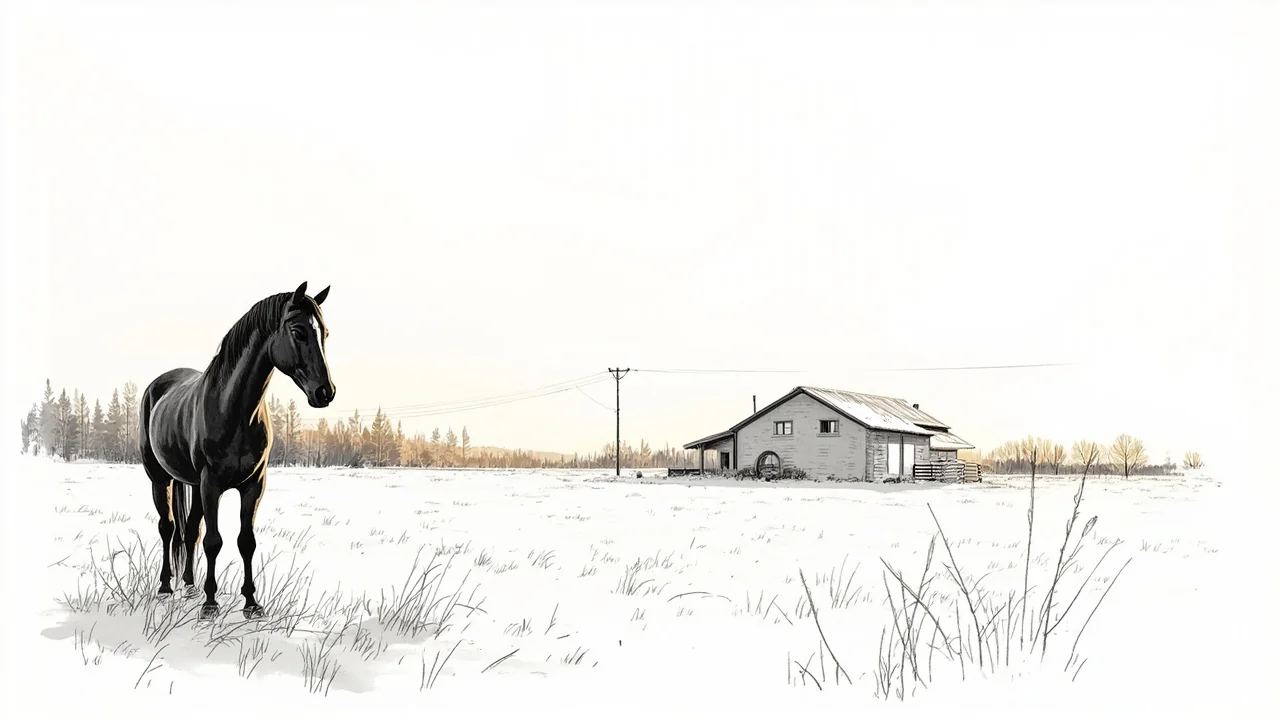
Finland's rural business landscape faces a stark challenge as a unique experience restaurant in Pihtipudas, Central Finland, has closed its doors following a suspected animal poisoning case. The Elämysravintola Mummola, an 'experience restaurant' offering a nostalgic 'grandma's house' atmosphere, ceased operations at its original location along Highway 4 after Epiphany. Owner Minna Rovio cites a deeply personal reason for the abrupt move: she suspects her horse was deliberately poisoned on the property, casting a shadow over what was meant to be a heartwarming venture.
A Dream Interrupted by Suspicion
The restaurant, operating from the former 'Takkatupa' property on the southern edge of Pihtipudas's central district, was more than a dining spot. It was conceived as an immersive experience, transporting guests to a bygone era. The closure of the rental agreement at the end of January prompted the move, but the underlying cause alleged by the owner points to a darker side of rural entrepreneurship. Minna Rovio's statement to local media did not provide specific evidence but expressed a firm belief that the poisoning was intentional, an act that fundamentally undermined the safety and viability of continuing at that location. This incident highlights the vulnerabilities small businesses, particularly those tied to land and animals, can face in close-knit communities.
Pivoting to a New Rural Model
Undeterred, the business is relocating and reinventing itself, demonstrating the resilience typical of Finnish countryside entrepreneurs. The new base will be the former village school in Rönnynkylä, north of Pihtipudas centre, also situated along the crucial Highway 4 corridor. This shift represents a strategic pivot in the business model. "Operations at the former school property in Rönnynkylä will in the future focus more on accommodation, but order-made food will also be available," Rovio explained. The plan is to create 'mummola'-style (grandma's house) lodging, cabin accommodation, and rooms in the main building, supplemented by a domestic animal paddock. This transition from a pure restaurant to a diversified hospitality venue offering lodging, food, and animal encounters is a direct response to both the traumatic incident and market realities.
The Broader Context of Rural Challenges
This case, while unique in its alleged criminal aspect, is symptomatic of broader pressures on rural Finnish businesses. Depopulation, an aging demographic, and the economic dominance of larger towns strain ventures that rely on local tourism and community support. The success of an 'experience' business is intimately tied to its setting and perceived safety. An allegation of animal cruelty, especially towards a key part of the business's pastoral charm, can shatter that foundation instantly. For a business trading on nostalgia and warmth, such an incident is not just a logistical problem but a profound breach of its core brand identity. The owner's decision to relocate rather than cease operations entirely speaks to a deep commitment but also the significant personal and financial investment at stake.
Legal and Community Implications
The suspected poisoning, if proven, would not only be a criminal act but also a potential violation of Finland's strict animal welfare laws. The case raises questions about dispute resolution and community tensions in rural areas, where business and personal lives are often deeply intertwined. While no official police investigation details were released in the source material, the owner's public suspicion alone is enough to impact local perceptions. The move to a new property, a former school, represents a fresh start but also carries the weight of this unresolved allegation. The ability of the business to rebuild its reputation and attract guests to its new location will be the ultimate test of its recovery.
Analysis: Resilience in the Finnish Countryside
From a policy perspective, this story underscores the non-financial risks faced by rural tourism enterprises. While EU and Finnish national funds often support rural development and tourism infrastructure, they cannot insure against acts of malice or community conflict. The business's pivot to accommodation is astute, tapping into the growing 'slow travel' and domestic tourism trend, which intensified during the pandemic and continues to hold appeal. By creating a destination with lodging, food, and experiences, the owner is building a more resilient economic model less dependent on daily restaurant footfall. However, the shadow of the alleged poisoning illustrates how fragile the ecosystem of rural tourism can be, where reputation and a sense of security are paramount assets.
The Path Forward for Mummola
The future of Elämysravintola Mummola now hinges on its successful reinvention at the Rönnynkylä schoolhouse. The planned domestic animal paddock is a clear, if poignant, continuation of the interactive, familial theme, suggesting a determination not to let the past incident define the future offering. The success of such niche ventures is crucial for the vitality of municipalities like Pihtipudas, keeping services alive and attracting visitors off the main highway. This story is ultimately one of adaptation. It reflects a painful rupture in one community setting and a determined effort to rebuild in another. The unanswered questions about the horse's fate linger, a sobering reminder of the challenges that can accompany entrepreneurial dreams in rural Finland. Will the new 'mummola' succeed in leaving the past behind and creating a new, untroubled chapter for this unique rural enterprise?