
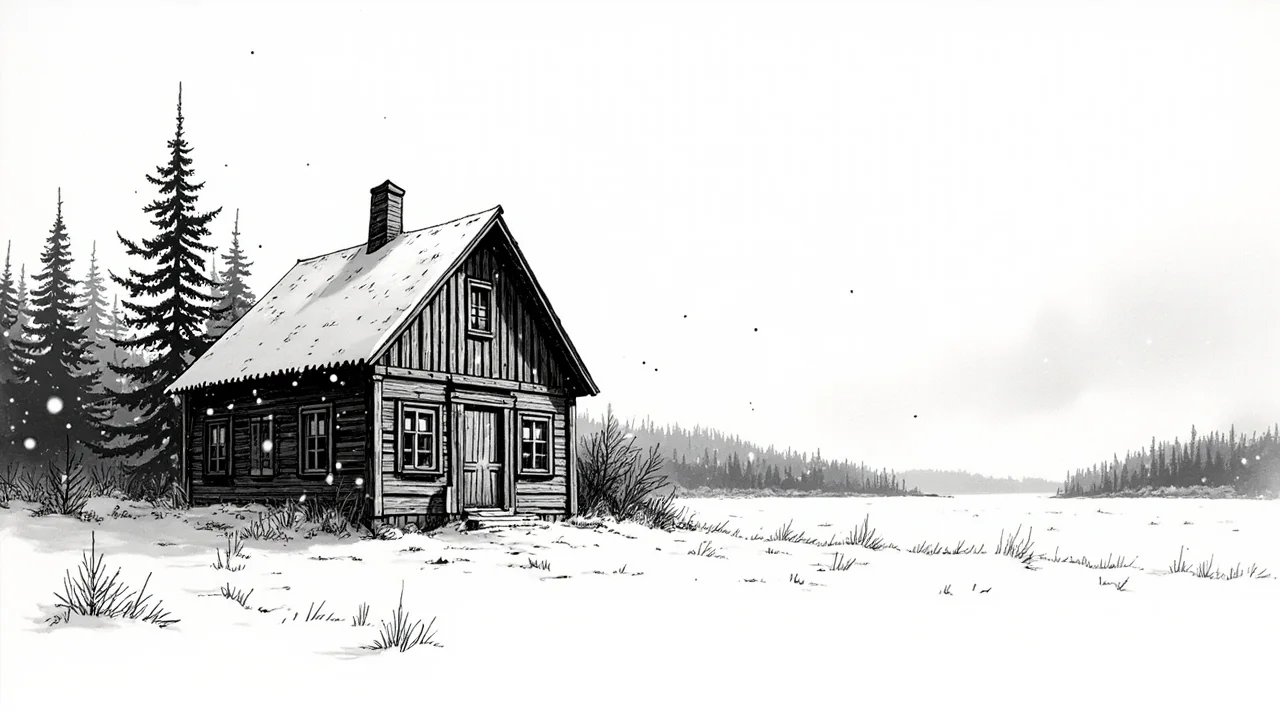
Finland's capital Helsinki has failed to attract a single bid for a disassembled 19th-century wooden house, leaving the historic structure in storage and highlighting a growing conflict between urban development and heritage preservation. The city attempted to sell the building, known as House 11, through an online auction that closed on Tuesday, but no offers were made. This marks the second failed attempt to offload the property after a previous auction winner withdrew from the deal. The core issue remains a massive financial hurdle for any potential buyer, who would be responsible for an estimated 2.5 million euros in relocation and reassembly costs. This latest failure forces a difficult municipal conversation about who should bear the cost of preserving culturally significant architecture in a modernizing city.
The Failed Auction and Its Stored Legacy
The timber-framed house was dismantled in summer 2025 from the former Maria Hospital campus in the Kamppi district to make way for the new Maria Growth Enterprise Campus. Its components are currently stored in a warehouse in Vuosaari. The building carries an Sr-2 preservation classification, meaning it is considered a regionally significant cultural-historical environment, and its designated future use is residential. According to the city’s sales terms, the buyer would be obligated to cover all expenses for transporting the building parts from storage and reconstructing them on a new plot. Helsinki has even suggested specific plots along Yhdyskunnantie or Mikkolantie in Pakila for reassembly. The complete lack of bids underscores that the market sees no viable path to profitability given the multi-million-euro price tag for simply moving the historic pieces.
A Financial Wall for Preservation
City calculations indicate that relocating and reconstructing the two 19th-century houses from the Maria campus would cost over five million euros if done by the municipality. For the single house now offered, the relocation cost alone stands at approximately 2.5 million euros. This sum would be in addition to any auction purchase price, creating a total investment that dwarfs the value of the finished property. The financial reality presents a clear market failure for preserving movable heritage. The situation exposes a gap in Finland's preservation model where a building's legal protection does not automatically come with a funded plan for its future if its original site is needed for development. The city followed procedure by deconstructing and storing the building responsibly, but the subsequent step of finding it a new home has hit an insurmountable economic barrier.
Political Proposal for Municipal Intervention
In response to the impasse, City Councilor Tuomas Nevanlinna of the Left Alliance has prepared a motion for the council's consideration. His initiative proposes that the City of Helsinki should cover the relocation costs for the historic timber buildings. This proposal directly challenges the current model and would shift the financial burden from a private buyer to the public purse. The councilor's motion is expected to be debated in the Helsinki City Council, setting the stage for a political decision on the value of such preservation. The city's preparatory response to Nevanlinna's motion, which detailed the five-million-euro estimate, will form a key part of that debate. The question is whether the cultural-historical value of these structures justifies a multi-million-euro municipal expenditure, especially when balanced against other pressing urban needs.
The Broader Context of Helsinki's Development
The dilemma of House 11 is not an isolated incident but part of Helsinki's ongoing transformation. The Maria Growth Enterprise Campus project is a strategic development aimed at fostering innovation and business, representing the city's forward-looking economic ambitions. This progress, however, necessitates difficult choices about existing structures, even protected ones. The Sr-2 classification offered some protection but ultimately could not guarantee the building's survival on its original plot. The process reflects a common tension in European cities where historical layers intersect with contemporary planning goals. Helsinki's attempt to sell the building with strict conditions was an experiment in private-sector-led preservation, an experiment that has now failed twice, pushing the problem back into the realm of public policy and political priority-setting.