
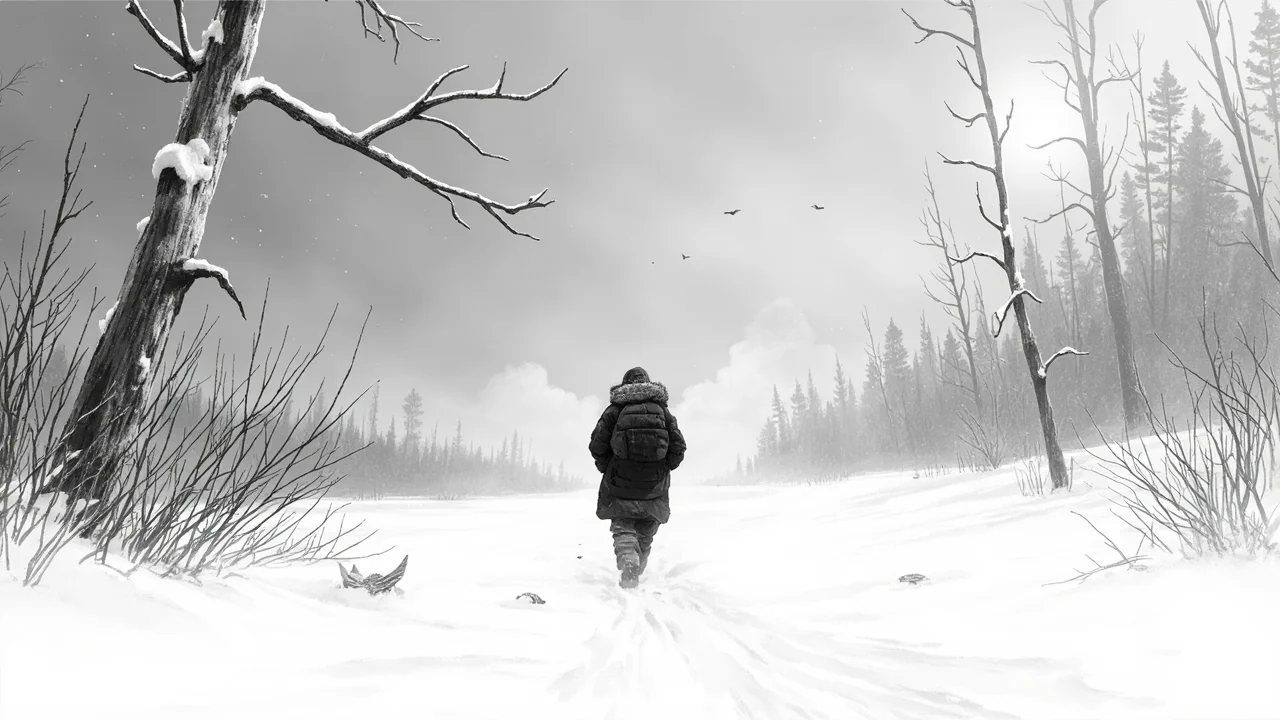
Finland's weather remains locked in a severe and persistent cold snap, with meteorologists forecasting at least another week of sub-zero temperatures and minimal snowfall. The country is trapped under a stable high-pressure system to the east, blocking milder, snow-bearing low-pressure systems from the Atlantic. This creates a stark contrast with neighboring Norway and Sweden, which are receiving significant snow while Finland endures clear, bitterly cold skies. "During the week, it will snow in Norway and Sweden, but these rains will reach Finland at the earliest on Friday, and even then only a little," meteorologist Kristian Roine stated in a forecast blog. The forecast presents a paradox of a snow-starved nation in the depths of winter, facing prolonged intense cold without the insulating blanket of snow.
A Persistent Eastern High
The core driver of the current weather pattern is a stubborn high-pressure area parked over eastern Finland and Russia. This atmospheric block acts as a shield, deflecting the milder and moister low-pressure systems that typically sweep in from the North Atlantic and bring precipitation to the region. As a result, Finland is blanketed by a very cold air mass with little moisture. The clear skies associated with high pressure allow daytime heat to escape rapidly at night, leading to severe radiative cooling and sharp temperature drops. This setup is classic for generating Finland's most intense winter cold spells, where temperatures can plummet well below -20°C for extended periods. The Finnish Meteorological Institute has long documented these patterns, where the position of the Siberian High can dictate winter severity across Fennoscandia.
Regional Forecast: From Biting to Brutal
The cold is not uniform, with significant regional variations expected throughout the coming week. Southern and western coastal areas, moderated by the proximity to the sea, are predicted to see lows between -5°C and -10°C at the start of the week. Inland across southern and central Finland, residents should prepare for "a good 10 degrees" of frost, meaning temperatures around -10°C to -15°C. The most extreme conditions are reserved for the north. "In the north, frost readings vary between 15 and 25 degrees on cloudy areas," Roine reported. The real danger comes when the cloud cover breaks. "When the cloud cover cracks, the frost can quickly tighten again to a good 30 degrees." Temperatures nearing -30°C pose serious risks of frostbite and increase energy demand for heating. A weak southeasterly wind early in the week will make conditions feel marginally less harsh, but forecasts indicate the wind will strengthen later, creating a sharp, penetrating chill.
The Snow Deficit Conundrum
A significant side-effect of this dominant high-pressure system is a notable lack of snowfall for much of the country. While parts of Norwegian and Swedish Lapland are accumulating fresh snow, the Finnish landscape remains relatively bare for mid-winter, especially in the south. This creates a secondary set of challenges. Snow cover acts as a crucial insulating layer for ecosystems, protecting plant roots and subnivean animal habitats from the worst of the cold. Its absence can lead to deeper ground frost, potentially damaging infrastructure and natural environments. For winter tourism and activities like cross-country skiing, the snow deficit is a direct economic and recreational blow. The forecast offers only a glimmer of hope for change. "At the same time, the possibility of snow showers also increases as the high pressure east of Finland moves further east," Roine noted, but emphasized any meaningful shift is still days away.
Economic and Social Impacts of Prolonged Cold
A cold spell of this predicted duration places sustained pressure on Finland's society and economy. Energy consumption for district heating and electricity soars as households and businesses work to maintain indoor temperatures. This strains the national energy grid and leads to higher costs for consumers and municipalities. The government and energy providers monitor these situations closely, as prolonged demand can test system resilience. For transportation, while clear roads are beneficial, the extreme cold risks causing mechanical failures in vehicles and challenges for public transport. Agriculture and forestry must also contend with the deep frost, which can affect logging operations and animal husbandry. Socially, the vulnerable populations, including the elderly and homeless, face heightened risks, prompting municipal social and health services to activate cold weather support plans. The Ministry of Social Affairs and Health often issues guidelines during such periods, emphasizing community checks on at-risk neighbors.
Historical Context and Climatic Patterns
While severe, prolonged cold spells are a recognized part of Finland's winter climatology. Historical data shows that episodes of stable high pressure leading to weeks of clear, very cold weather are not uncommon, particularly in January and February. However, climate scientists are actively studying how the frequency and character of these extreme cold events are evolving within the broader context of global warming. A warming Arctic can sometimes disrupt the polar vortex, leading to outbreaks of cold air into mid-latitudes, a subject of ongoing research. The current situation, with a stark precipitation divide between Finland and its western neighbors, also highlights the complex and localized impacts of larger atmospheric circulation patterns. It serves as a reminder that global climate change manifests not just as warming, but as an increase in weather variability and persistent blocking patterns.
Looking Beyond the Week Ahead
The official forecast blog stated that "any real moderation of the weather will have to wait at least a week." Even then, the expected change is tentative. The potential shift later in the week hinges on the eastern high-pressure system finally weakening or moving, allowing the Atlantic lows to finally make inroads. This would likely bring cloudier conditions, slightly higher temperatures, and the increased chance of snow. However, meteorologists are cautious, not speculating on how much milder it might become. For now, Finland must brace for a continued stretch of severe winter weather. The combination of intense cold, strengthening winds, and minimal snow defines this period. It is a test of infrastructure, personal preparedness, and the nation's adaptation to the extremes of its own climate. As the sun glints off frost-covered trees in the pale daylight, the country waits for the atmospheric block to break, marking time in degrees of frost.