
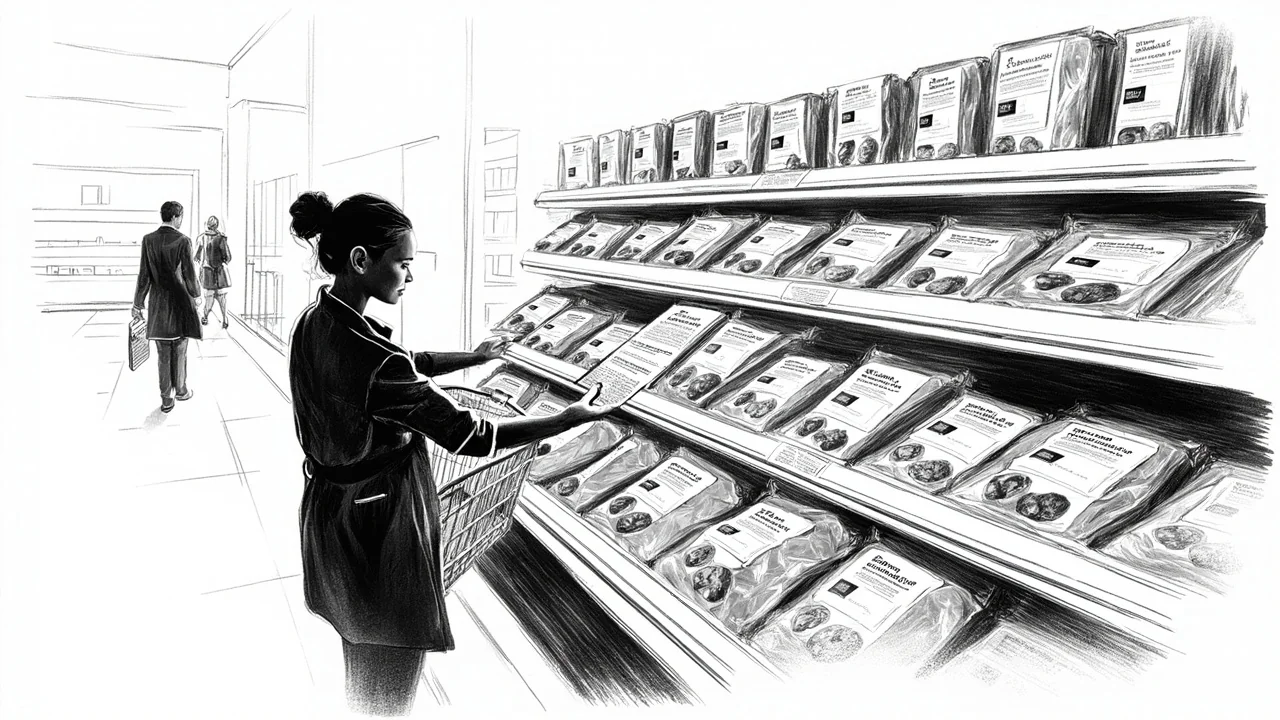
Finland's grocery aisles are seeing a steady stream of new alternatives to traditional ground meat. This trend continues as Atria launches its own version of a ground meat product containing plant protein, following Snellman's recent 'Light Beef-Pea' mince that added pea protein. The new 'Chicken-Fava Bean Mince' is seasoned with black pepper, turmeric, and onion. A 300-gram pack contains 48 percent chicken fillet and 48 percent Finnish fava bean protein powder.
A Premium Price Point
This new hybrid product entered stores today in SOK's supermarkets with a current kilo price of 15.50 euros. It will arrive in Kesko's stores by the end of January. This price positions it significantly above the most affordable ground meats. Chicken mince, one of the cheapest, costs about seven to nine euros per kilo. Similarly priced is pork-beef mince. Pure beef mince, by comparison, ranges from about 12 euros to 20 euros for organic beef.
The Challenge of Changing Habits
Industry executives note the difficulty of introducing new products in this category. Juuso Reinikainen, Snellman's Marketing Director, stated around the November launch of their product that consumer research shows a very large group of people who would like to use ground meat-style products containing plant proteins. However, changing established behavior is a hurdle. Mikko Järvinen, Head of HK Foods Finland's meat business, explains that Finns are a 'ground meat nation' who buy a lot of it, but many shop on autopilot.
He notes that people often buy the same familiar ground meat without even thinking about it. This makes ground meat a difficult category for bringing new products to market. Järvinen states that hybrid food is a larger phenomenon identified within the food industry, with plant protein alternatives having developed significantly in recent years, leading to better taste and texture.
A History of Market Trials
Hybrid ground meats are not a new phenomenon. A product containing carrot came to the market already in 2017. Järvinen reports that the first sales year for that product, called Popo, was good. Sales dropped significantly in the second year, and in the third year, consumers returned to ordinary ground meat. Production of Popo was discontinued at the beginning of 2020. The coronavirus pandemic that began that same year revolutionized Finnish purchasing behavior, with a return to the familiar and safe, leaving more special ground meats on the shelves.
The Professional Kitchen Frontier
Looking ahead, Järvinen estimates that hybrid products will first gain a stronger foothold on the foodservice side, meaning professional kitchens. There, recommendations for meal composition, for example, are taken more carefully into consideration. This suggests that consumers may encounter these blends in restaurants and canteens before making them a regular choice in their home cooking. The success of these latest hybrid minces now depends on whether they can convince value-conscious and habit-driven Finnish shoppers to switch off autopilot at the meat counter.
Analyzing the Market Shift
The repeated attempts by major Finnish food conglomerates like Atria and Snellman signal a sustained strategic push into the hybrid protein space. This is not a one-off experiment but a coordinated effort to alter a staple category. The pricing strategy is particularly revealing. By setting the kilo price at 15.50 euros, these hybrids are not competing directly with budget-friendly chicken or pork-beef blends. Instead, they are positioned as a premium alternative to pure beef mince, targeting consumers willing to pay a similar price for a product with a reduced meat content and a different nutritional profile.
This approach cleverly bypasses the primary barrier of price sensitivity that doomed earlier attempts like the carrot-based mince. It frames the choice not as a more expensive alternative, but as a different type of product within a familiar price bracket. The seasoning with spices like turmeric and black pepper also indicates a move away from presenting it as a direct, neutral substitute. It is being marketed as a distinct ingredient with its own flavor profile, potentially for specific recipes, which may help it avoid direct and unfavorable comparison with the taste of pure meat.
Consumer Psychology and the Autopilot Problem
Mikko Järvinen's observation about 'autopilot' shopping is crucial to understanding the Finnish grocery landscape. Ground meat is a foundational ingredient for countless classic Finnish dishes, from meatballs and sauces to casseroles. Its purchase is deeply ingrained, routine, and often made under time pressure. For a new product to break through, it must not only compete on taste and price but also disrupt a deeply embedded habit loop. This is a significantly higher barrier than simply entering a new product category.
This is why the foodservice sector is identified as a critical beachhead. In a professional kitchen or a school canteen, the choice is made once by a chef or a procurer for hundreds of meals. A successful integration there introduces the product to consumers in a finished dish, normalizing its taste and presence without requiring an active purchasing decision at the supermarket cooler. Positive experiences outside the home can then translate into curiosity and trial within the home, effectively using the professional kitchen as a marketing and validation channel.
The Long-Term Outlook for Hybrids in Finland
The failure of the Popo product offers a clear cautionary tale. Initial curiosity is not enough to sustain a hybrid product in the Finnish market. The question for Atria's and Snellman's new launches is whether they have learned from this history. Their current strategy suggests they have. By aligning price with beef, improving taste and texture through advanced food technology, and targeting both retail and foodservice, they are attacking the problem on multiple fronts.
However, the ultimate test remains the Finnish consumer's palate and routine. Will the blend of chicken and fava bean, or beef and pea, provide a satisfying enough culinary experience to become a repeat purchase? Or will it, like its carrot-mix predecessor, see initial interest fade as shoppers revert to their classic mince? The answer will determine if hybrid ground meat moves from being a recurring 'strange' novelty on the shelves to a permanent segment in the Finnish meat aisle.