
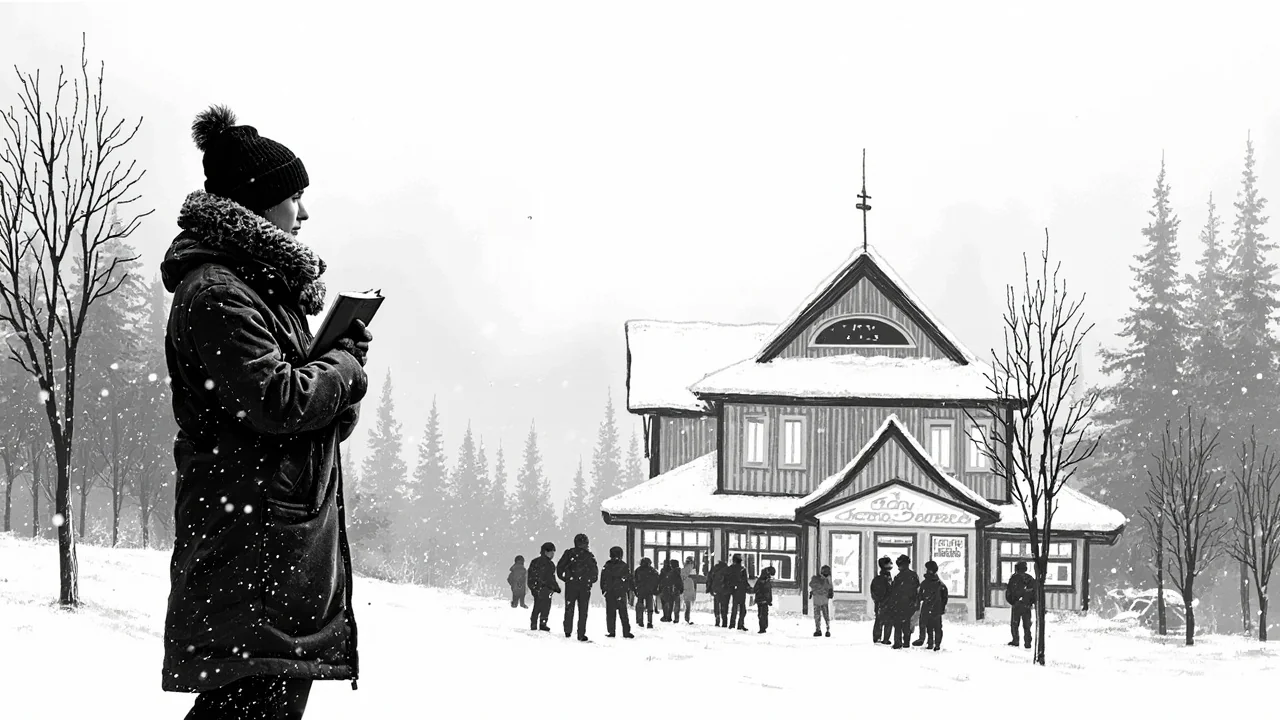
Finland's city of Jyväskylä is adding another literary circle to its active roster of reading groups this week, with the launch of the 'Minun Jyväskyläni' book club organized by the Jyväskylä-Seura society. The club will hold its first meeting on Wednesday, January 28th, at 5 PM in the multi-purpose space of the Jyväskylä Main Library, marking one of several new reading circles operating in the city's libraries this spring. This new club aims to foster conversations about literature connected to Jyväskylä, a city long celebrated for its contributions to Finnish education and culture.
A Local Literary Focus
The inaugural session will discuss two selected works that directly tie into the city's identity and history. The first is 'Rouva C' (2018) by Minna Rytisalo, who resides in Kuusamo. This book tells the story of Minna Canth, the renowned Finnish writer, playwright, and social activist, and her life in Jyväskylä during the late 19th century. Canth's work, focusing on women's rights and social justice, remains a cornerstone of Finnish literary history. The second book is 'Sielulintu' (2024) by Henna Huovila, a Jyväskylä-based author. This historical novel is set during the founding moments of Jyväskylä as a city in the 1830s. It follows a woman searching for her own identity and place in society within the context of early modern Finland, offering a fictional exploration of the city's origins.
Structure and Community Engagement
The 'Minun Jyväskyläni' club has scheduled three additional meetings throughout the spring, on March 4th, April 15th, and May 6th. This structured, quarterly schedule provides a consistent forum for local readers to engage with each other and with texts that reflect their shared environment. The choice of venue, the city's main library, underscores the public and accessible nature of the initiative, aligning with Finland's strong tradition of supporting public libraries as community hubs for learning and cultural exchange. The Jyväskylä-Seura, as the organizing body, represents a local civic society dedicated to promoting the city's heritage and communal life, making it a fitting host for such an endeavor.
The Broader Context of Finnish Reading Culture
This new club joins several other book circles currently active in Jyväskylä's libraries, including a new 'selkokirjapiiri' or easy-to-read book club launched this spring. This indicates a healthy and growing appetite for organized, communal reading in the city. Finland consistently ranks high in international surveys for literacy and library usage, and activities like these book clubs are a direct manifestation of that cultural value. They provide social frameworks that move reading from a private act into a shared, conversational experience, deepening the public's connection to literature. The specific local focus of the 'Minun Jyväskyläni' club also taps into a wider interest in regional history and identity, allowing participants to see their familiar surroundings through the imaginative lens of fiction and biography.
Reflecting on Regional Identity
The selection of the first two books is particularly telling. By pairing a historical biography of a national figure, Minna Canth, with a new historical novel about the city's founding, the club immediately sets up a dialogue between the nationally significant and the locally specific. Canth's struggles and ideas resonated across Finland, but they were shaped by her time in Jyväskylä. Huovila's novel, conversely, builds a narrative around the very establishment of the local community itself. This dual focus allows readers to explore how their city has both influenced and been shaped by broader Finnish narratives. It is a chance to consider what makes Jyväskylä unique within the national story.
The Role of Public Institutions
The partnership between the Jyväskylä-Seura society and the city's main library system is a classic example of Finnish civil society at work. Libraries provide the neutral, public space and resources, while dedicated volunteer societies bring specific expertise and organizational energy. This model facilitates cultural programming that might not fall under a municipal library's core mandate but greatly enriches its offerings. It ensures that initiatives are responsive to local interests, as societies like Jyväskylä-Seura are deeply embedded in the community. The success of such clubs depends on this collaboration, leveraging institutional stability with grassroots passion.
A Look Ahead
With its first meeting yet to be held, the long-term impact of the 'Minun Jyväskyläni' book club remains to be seen. Its success will be measured by its ability to attract consistent participation and stimulate meaningful discussion over its planned four meetings this spring. If it thrives, it could become a permanent fixture in Jyväskylä's cultural calendar, perhaps inspiring similar hyper-local literary clubs in other Finnish towns and cities. The club represents a simple but powerful idea: that reading about one's own home can deepen one's understanding of it, creating new layers of meaning for familiar streets and landmarks. In a rapidly changing world, such rooted conversations offer a sense of place and continuity, proving that local stories, whether true or fictional, hold enduring power.