
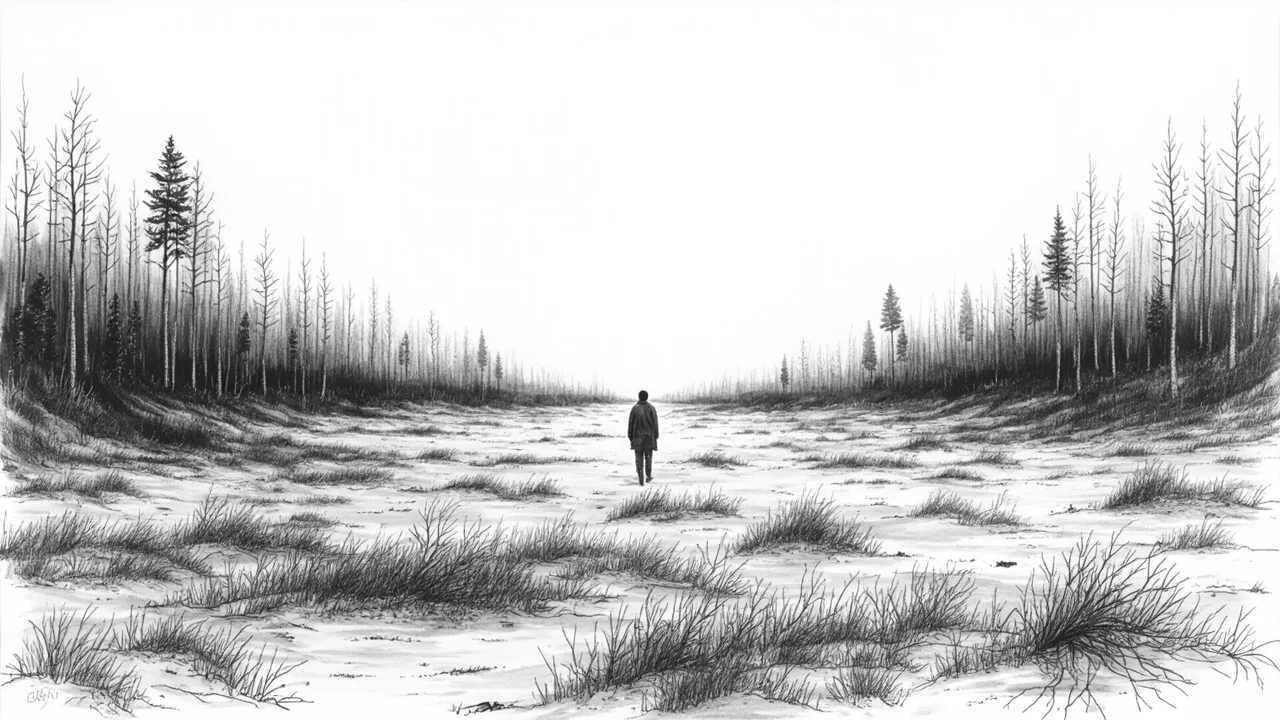
Finland's protected Kurkisuo peatland in Hyvinkää is now the site of extensive logging operations, a counterintuitive but planned phase of its ecological restoration. The arrival of a stable snow cover has finally allowed forestry machinery to access the sensitive wetland, with markings completed for clearing across 60 hectares of the site. This work forms a critical part of a long-term project to return the drained peatland to a functioning, carbon-sequestering ecosystem. The local forestry association emphasized the importance of the frozen ground, stating it was crucial to 'ensure one's own safety' and minimize damage to the wet terrain during operations.
The Paradox of Conservation Logging
This activity represents a complex juncture in Finnish environmental management, where active intervention is required to undo the damage of past interventions. Kurkisuo is a protected area, yet the restoration process necessitates the removal of trees that have grown since the original bog was drained for forestry. These trees, primarily pine and spruce, actively dry out the peatland through evapotranspiration, preventing the revival of the waterlogged conditions essential for sphagnum moss and native peatland flora. The logging is not a commercial harvest but an ecological procedure. The removed timber will be utilized, but the primary goal is hydrological, aiming to block ditches and allow the water table to rise, drowning tree roots and initiating the bog's natural regeneration.
A Nationwide Peatland Strategy
The work at Kurkisuo is not an isolated case but part of a broader national and European Union-driven push for peatland restoration. Finland has millions of hectares of peatlands, a significant portion of which were drained during the 20th century to boost forest growth and agricultural land. These drained peatlands have become significant sources of greenhouse gas emissions, releasing stored carbon dioxide into the atmosphere. The Finnish government's climate and biodiversity strategies now prioritize rewetting these areas. The EU's Biodiversity Strategy for 2030 and related forestry policies also create a framework and, in some cases, funding mechanisms for such projects, aligning national action with continental environmental targets.
Navigating Bureaucracy and Biology
The path to the current logging phase at Kurkisuo involved navigating stringent regulatory frameworks. As a protected area, any action requires permits from regional environmental authorities, with plans scrutinized for their net benefit to conservation goals. Experts from the Finnish Environment Institute (Syke) and Metsähallitus, which manages state-owned lands, typically develop the restoration plans. The process involves detailed hydrological surveys, species inventories, and modeling of expected outcomes. The 60-hectare clearance now underway followed such a planning process, receiving the necessary approvals on the condition that operations are conducted with strict protective measures for any non-target species and the remaining wetland features.
The Long Road to a Wet Future
The actual logging is just one visible step in a decades-long journey. Once the trees are cleared, the next phase involves the technical work of ditch blocking, using dams made of peat or wood to halt water flow. Then, nature takes the lead. The success of the restoration will be monitored for years, tracking the return of water levels, the colonization of sphagnum moss, the reduction in carbon emissions, and the eventual return of peatland-specific bird and insect life. For local residents and visitors, the landscape will undergo a stark transformation, shifting from a dry forest to an open, increasingly wet marsh. This transition can be jarring, requiring public communication about the long-term ecological benefits over immediate aesthetics.
Balancing Forestry and Biodiversity
The project sits at the heart of a ongoing national dialogue about land use in Finland, a country with a deep cultural and economic ties to forestry. It demonstrates a modern evolution in forestry practices, where management now includes decommissioning previously drained areas for climate gain. The Finnish Forest Association and other industry groups have generally supported such restoration on protected or low-productivity peatlands, seeing it as part of sustainable, multi-use forest management that also improves the sector's carbon footprint. However, each project requires balancing timber supply interests with pressing environmental needs, a calculation made by municipal and national planners.
A Test Case for Climate Goals
Kurkisuo will serve as a tangible test case for Finland's ambitious climate neutrality goals. Rewetted peatlands switch from being carbon sources to carbon sinks, albeit slowly. They also increase landscape biodiversity and can help manage water runoff. The data gathered from monitoring sites like Kurkisuo will inform larger-scale restoration decisions across the country. The effectiveness of the techniques used here, from the logging method to the ditch-blocking designs, will be added to a growing body of Finnish expertise in peatland management, expertise that is increasingly in demand as other boreal nations address similar legacies of drainage.
Looking Beyond the Stumps
For now, the focus in Hyvinkää is on the mechanical work, the rumble of harvesters in the winter air where the silence of a bog should one day reign. The sight of cleared land within a protected zone inevitably sparks questions and concerns. Authorities stress that this is a carefully prescribed ecological surgery, not an exploitation. The true measure of this project's success will not be seen in the stacks of timber at the roadside, but in the decades to come, in the quiet, water-filled hollows where new peat begins to form and the distinct call of the crane, a bird of intact wetlands, might once again be heard over Kurkisuo. The restoration asks for patience, a willingness to see the forest removed so that the ancient, spongy bog beneath can live again.