
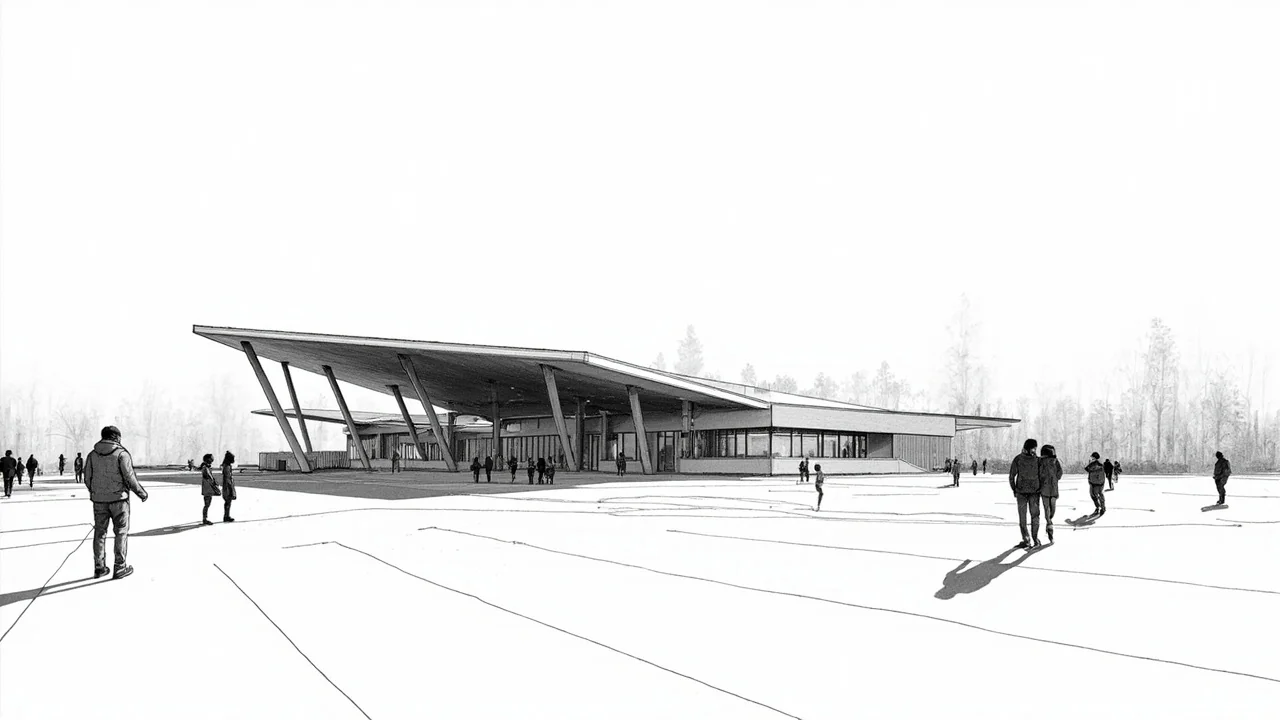
Lappeenranta city is launching a public competition to name its new multi-million euro indoor sports hall, with a 22 January deadline for proposals that could define the facility's national identity. The city's culture and sports board will review all submissions and make a final decision on the hall's calling name at its meeting on 28 January, moving quickly to establish the identity of a major new public asset set for completion this year. 'We want a clear calling name for our new indoor sports hall, one that will be recognized nationally going forward,' city sports services manager Petri Ruotsalainen said in the municipal bulletin, outlining the core goal of the naming drive. This public call for names represents a direct form of municipal engagement, inviting anyone to submit suggestions through the city's online service portal, a process that places the identity of a significant piece of civic infrastructure in the hands of local residents and interested parties across Finland.
A Facility Designed for Multifunction Use
The unnamed hall is far more than a simple gymnasium. Its specifications point to a venue built for high-level athletics and community events. The centerpiece will be a 200-meter-long circulating running track. Inside this track will be a netted ball game area that can be divided into two sections, allowing for multiple simultaneous activities. A fitness room will be constructed on the second floor, catering to strength and conditioning training. Furthermore, the hall will include locker room facilities for users of the adjacent Amis field, integrating with existing sports infrastructure. Perhaps most significantly for its public event potential, the hall will feature a telescopic stand seating 450 people, a configuration that explicitly allows for the hosting of various competitions and gatherings beyond daily sports use. This design transforms the project from a mere training facility into a potential regional event hub.
The Politics and Practice of Naming Public Spaces
The process of naming a major public building in Finland is rarely just administrative. It carries cultural weight and reflects municipal priorities. By opting for an open competition, Lappeenranta's city government is employing a participatory democratic tool common in Finnish municipal governance. The decision bypasses a purely committee-chosen name, which might honor a local historical figure or use a straightforward geographical descriptor, in favor of seeking broader public inspiration. The instruction that the name should achieve national recognition suggests ambition beyond the city limits, potentially aiming for a name that evokes the region's characteristics, the hall's architectural form, or a dynamic concept related to sport and movement. The tight timeline—from the submission deadline to the board's decision—indicates a desire to have a solidified public identity for the hall coinciding with its physical completion, ensuring all marketing and signage can be implemented without delay.
Historical Context of Finnish Municipal Asset Naming
Finland has a long tradition of public involvement in shaping communities, though naming competitions for sports facilities offer varied precedents. Some arenas, like Helsinki's iconic Helsingin Jäähalli (Ice Hall), used purely descriptive names for decades. Others, like the Tampere-based Nokia Arena, carry strong corporate sponsorship identities. In seeking a 'calling name' meant for national recognition, Lappeenranta appears to be looking for something more distinctive than a generic label like 'Lappeenranta Sports Hall.' The outcome will be telling. Will the winning name draw from the natural landscape of South Karelia, reference local history, or embrace a forward-looking, abstract term? The choice made by the Culture and Sports Board later this month will signal how the city wishes this new landmark to be perceived, both at home and across Finland. It is a small but symbolic act of place-making, assigning a permanent identity to a building that will host community life for generations.
The Broader Implications for Civic Engagement
This naming competition, while focused on a single building, functions as a case study in contemporary Finnish municipal-citizen relations. It represents a low-barrier, high-interest point of engagement. Submitting a name idea requires minimal effort but offers a tangible connection to a major city project. For the city council and administration, it is a strategic tool to generate public interest and a sense of ownership in the new hall even before its doors open. The success of such initiatives is often measured by the volume and creativity of responses. A strong turnout of suggestions would validate the participatory approach, while a weak response might lead to questions about public communication or engagement strategies for future projects. The process also subtly promotes the hall itself, keeping it in public discourse in the months leading to its opening through the conversation about its name.
Looking Ahead to a Named Landmark
By the end of January, the hall will have a name. The transition from a construction site to a named entity is a significant milestone. That name will appear on city budgets, bus schedules, event listings, and sports federation documents. It will be used by athletes, spectators, and event organizers. The name selected will carry the weight of the board's decision against the public's suggestions, balancing popular appeal with official approval. For Petri Ruotsalainen and the city's sports services, the chosen name will become the brand for promoting the facility and attracting regional and national competitions to Lappeenranta. The city's bet is that a name born from public input and chosen for national recognition will help the hall quickly establish itself as a prominent destination on Finland's sports and events map. The competition is simple, but its result will be permanently etched on the city's architectural and social landscape.