
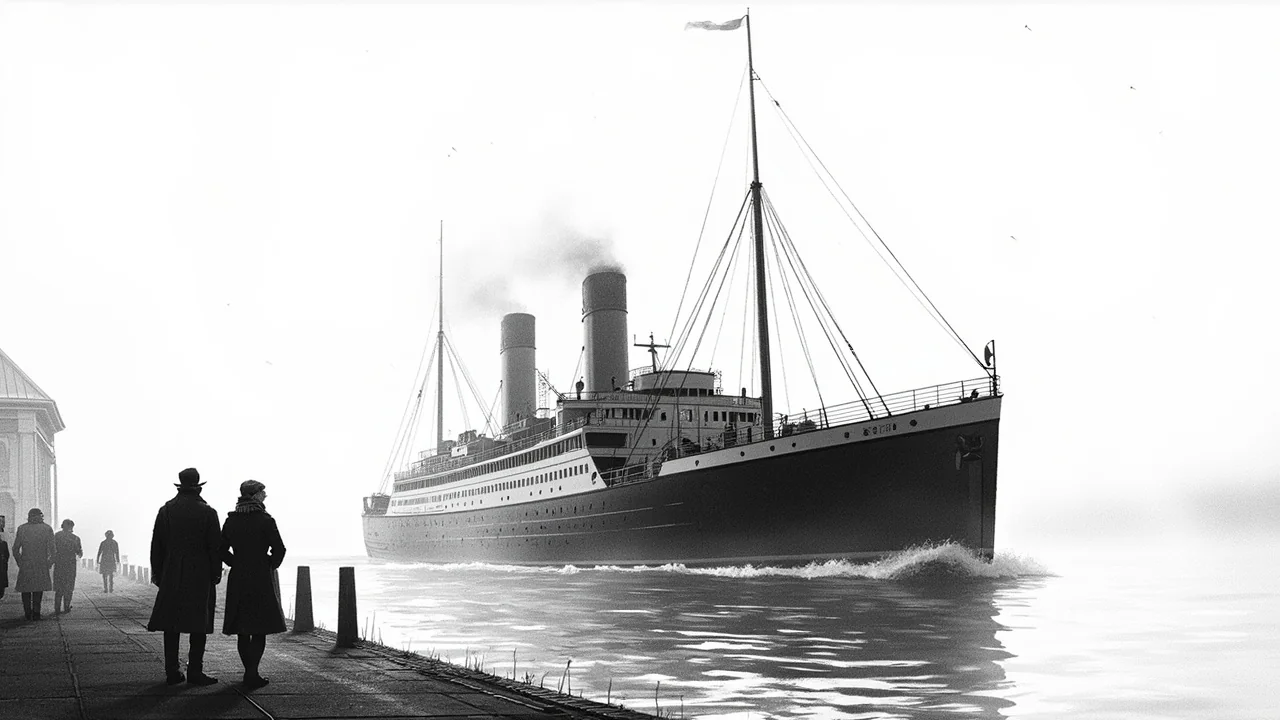
Finland's historic S/S Leppävirta passenger steamship will return to service on the waters of Imatra and Lappeenranta in the summer of 2027. The long-idle vessel, based in Kuopio, has been acquired by the newly formed Imatran Laiva-Osakeyhtiö, which plans a comprehensive refit to restore it for cruise traffic.
The company's founders, Ollis Leppänen and Ari Pihlajaniemi, bring 15 years of experience operating steamship traffic on Lake Oulujärvi. Their decision to purchase the ship follows its appearance at a second bankruptcy auction last autumn. Leppänen had monitored the initial sale by the bankrupt Leppävirran Höyrylaiva Oy but did not bid at that time.
"I regretted it afterwards," Leppänen says. "When the ship then appeared for auction a second time, I could not avoid participating in the sale." The new owners intend to carry out restoration work in Kuopio before moving the steamship to Imatra in the autumn. The ambitious target is to have the vessel operational for the 2027 summer season.
From Auction to Ambition
The acquisition process underscores the determination behind the project. Leppänen's initial hesitation and subsequent decisive bid highlight the volatile nature of preserving historic vessels, which often depend on private passion and investment. The ship's journey from bankruptcy to a planned revival spans less than a year, indicating a rapid mobilization of resources and intent by the new company.
This move taps into a niche but enduring Finnish fascination with historic lake steamers. The S/S Leppävirta represents a tangible link to the country's inland waterway transport history. Its return to service would add a significant vessel to the small, active fleet of heritage steamers operating on Finnish lakes, contributing to cultural tourism and regional identity.
The Team Behind the Tender
The expertise of Leppänen and Pihlajaniemi is a central asset. Their decade and a half of practical experience on Lake Oulujärvi is not merely theoretical. It involves direct knowledge of maintaining vintage machinery, navigating maritime heritage regulations, and operating a seasonal tourist-focused business. This hands-on background reduces the risk typically associated with such complex restoration projects.
Their established operational model provides a blueprint for the S/S Leppävirta's future. The plan to operate in the Imatra and Lappeenranta region suggests a strategic expansion of their business, targeting the tourism catchment area of the Saimaa lake system, Finland's largest. The choice of location leverages the existing tourist infrastructure and visitor interest in South Karelia.
The Path to 2027
The outlined timeline is aggressive. The restoration work in Kuopio, followed by the relocation to Imatra this autumn, sets in motion a multi-year technical project. Refitting a steamship involves overhauling the steam engine, boilers, and auxiliary machinery, alongside renewing passenger amenities and ensuring compliance with modern safety standards. All this must be achieved within a three-year window to meet the summer 2027 deadline.
This timeline reflects confidence in both funding and technical capacity. While not detailed in the announcement, such projects typically require significant capital investment, suggesting the owners have secured the necessary financing or are confident in a phased investment model based on their existing business's cash flow.
A New Chapter for Lake Saimaa
The return of the S/S Leppävirta promises to alter the leisure landscape on Lake Saimaa. It would provide a new, historic option for cruise tourism, potentially attracting maritime enthusiasts and tourists seeking an authentic experience. Its operations could complement existing services, adding capacity and a unique selling point for the region.
For the cities of Imatra and Lappeenranta, the ship represents a movable cultural landmark. Its presence could be used to foster a stronger maritime theme in local tourism marketing, connecting to the broader history of Saimaa's waterways. The project aligns with trends promoting sustainable, experience-based tourism that values authenticity and local heritage.
Challenges and Considerations
While the vision is clear, the path forward holds challenges. The restoration of any historic vessel is fraught with unforeseen technical issues, potential cost overruns, and supply chain delays for specialized parts. Environmental regulations for steam-powered vessels may also require careful navigation and potentially costly adaptations to meet contemporary emissions standards.
Market reception remains another variable. The success of the venture will depend on attracting enough passengers in a competitive tourism market. The owners' experience is a mitigating factor, but the new operating area presents a fresh test of their commercial model. Building awareness and booking interest for a service launching three years hence will require sustained marketing effort.
The Road Ahead
The immediate next steps involve detailed technical surveys and the commencement of restoration work in Kuopio. The move to Imatra in the autumn will be a visible milestone, physically transplanting the ship to its new home waters. Public interest will likely build as the vessel becomes a more prominent feature in its future operating region.
Local businesses in Imatra and Lappeenranta may begin to consider how to integrate the steamship's schedule into their own offerings, from hotel packages to combined tickets. The 2027 target, while distant, provides a clear goal for community anticipation and for the owners' project management. The countdown to the ship's whistle sounding again on Saimaa has effectively begun.
Ultimately, the story of the S/S Leppävirta is one of rescue and revival. From the auction block to a detailed plan for future voyages, the steamship's fortunes have changed dramatically. Its return to service hinges on the complex interplay of craftsmanship, finance, and market demand over the next three years. The summer of 2027 will reveal if this ambitious plan has successfully steamed from blueprint to reality.