
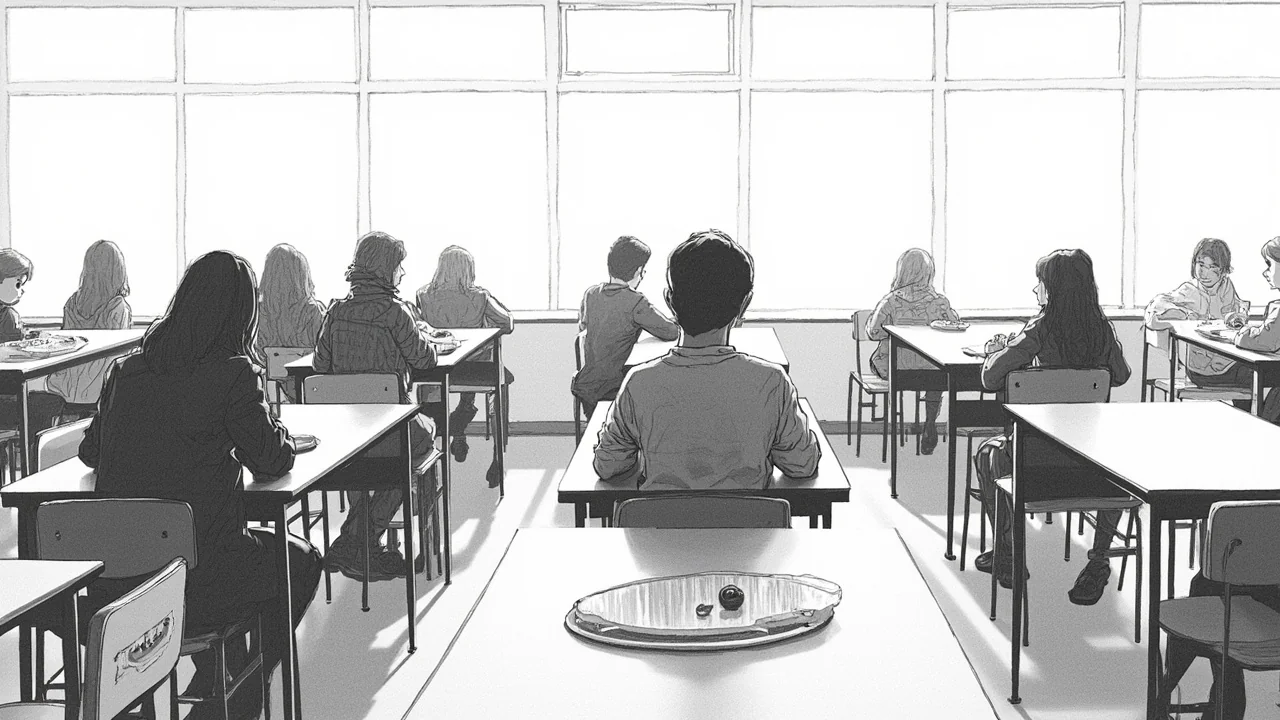
Finnish primary schools in Turku have implemented a three-day silent lunch trial to tackle high noise levels in their cafeterias. The experiment at Puolala Lower School aimed to demonstrate the stark difference between loud conversation and silence, with the goal of creating a more pleasant dining environment for hundreds of students.
The Noise Problem in a Busy School
Apulaisrehtori Jussi Tuimala, who started at the central Turku school in August, noted that while the noise was not catastrophic, it frequently reached high levels. The idea for the 'tsemppiviikko' or encouragement week in December came from Tuimala's own observations and feedback from the kitchen staff. He discussed potential solutions with teachers and cafeteria personnel before launching the initiative. The school is large, and the ambient noise level can rise quite high without anyone really noticing, Tuimala explained.
Implementing the Quiet Experiment
During the three-day trial, students ate their lunches in complete silence. The school also focused on reducing food waste and rearranged furniture to allow for calmer movement in the dining area. Student influencers circulated in the cafeteria, handing out acknowledgments for good behavior. Tuimala reported a particularly interesting detail: on the completely silent days, the amount of food waste was very small, suggesting a link between the environment and consumption.
Positive Outcomes and Parental Feedback
Since the trial week after the Christmas break, noise levels have remained moderate. Teachers now only need to encourage calm behavior through praise. The school staff have viewed the experiment positively, and teachers considered the goals good and the trial a success. While most students were satisfied with the encouragement week, parents provided mixed feedback. Alongside positive comments, some criticism was directed specifically at the completely silent days.
A Similar Trial in Another School
Another Turku school, Katajanokka Lower School, tested quiet lunches for an entire school year during 2024-2025. They held silent lunch every Monday. Rehtori Marko Sirén said the idea was to create a calm environment after the weekend where students could chat quietly or simply enjoy their meal in silence. Katajanokka experimented with both quiet and completely silent lunches. However, Sirén felt that total silence during a meal eventually seemed unnatural for the pupils.
Long-Term Changes and Calmer Cafeterias
The core takeaway from the Puolala trial is a lasting change in rules. Following the three-day experiment, quiet background conversation is now permitted in the cafeteria, a shift from the previous, noisier norm. The experiment served as a reset, demonstrating the desired atmosphere. Tuimala emphasizes that the goal was never to maintain total silence indefinitely, but to use it as a tool to establish new, calmer behavioral standards. The focus was on increasing comfort, not imposing strict silence as a permanent rule.
Broader Implications for School Wellbeing
These trials in Turku reflect a wider consideration within Finnish education for the wellbeing of pupils and staff during the entire school day, including breaks and meal times. The cafeteria is a significant social space, and its atmosphere can impact the rest of the school day. The initiative shows how Finnish schools are pragmatically testing methods to manage shared spaces. The reduction in food waste during the silent period offers an unexpected secondary benefit, hinting at how environmental factors influence student behavior in multiple ways.
A Finnish Approach to a Common Problem
School lunchroom noise is a universal challenge, but the Finnish response was characterized by a trial-based, collaborative approach. The process involved staff from different roles—teaching, administration, and kitchen—and incorporated student influencers. Feedback was gathered from all parties, including parents, acknowledging that their perspective is crucial. The schools displayed a willingness to experiment with a seemingly extreme measure (total silence) to achieve a clearer understanding and a more sustainable, moderate outcome.
Looking Beyond the Silence
The key result is not the silent days themselves, but the new baseline they established. By experiencing the extreme, the school community gained a shared reference for what 'quiet' can mean. This allowed them to collectively agree on a more pleasant middle ground. The experiment's success is measured not by continued silence, but by the sustained reduction in noise levels afterward using simple, positive reinforcement from teachers. It demonstrates a low-cost, high-impact intervention focused on changing culture rather than enforcing rules.
Could This Method Spread?
While not every school will adopt silent lunches, the structured trial offers a model for addressing similar environmental or behavioral issues. The method of using a short, intensive period to shift norms is a powerful tool in community settings. The positive experience in Turku, particularly the sustained results at Puolala School, may inspire other municipalities in Finland to consider how they manage communal spaces. The story ultimately highlights a practical, local solution to a common problem, achieved without major expense but through coordinated effort and a clear, shared goal.