
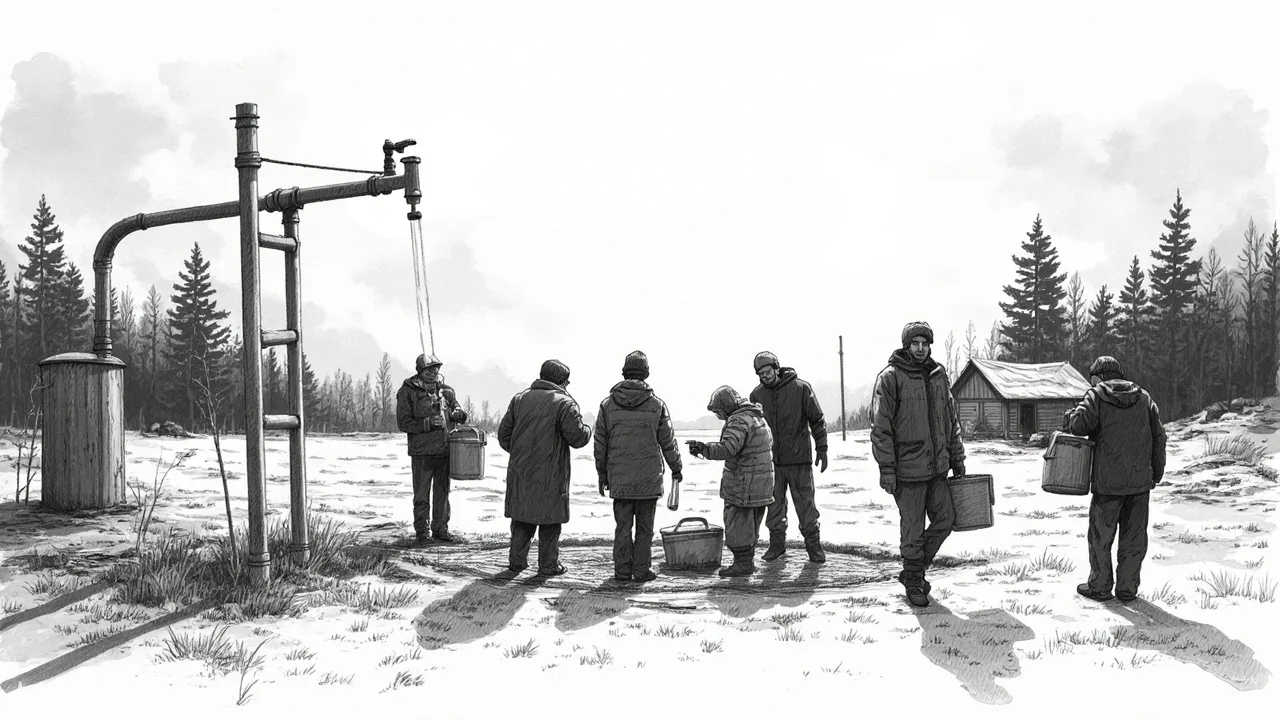
Finland's Muurame water crisis has reached a critical juncture as the ruptured pipe on Muonamiehentie street has been repaired, but a boil water advisory and emergency distribution continue for hundreds of residents. The municipal water utility Alva confirmed the physical repair is complete. The restoration of normal service, however, now hinges on a complex disinfection and flushing process of the damaged section of the network, preventing an immediate return to safe tap water.
The Long Road to Normal Supply
With the pipe fixed, the focus shifts to making the water safe. A high-concentration chlorination of the repaired section is scheduled to begin around 7 PM on Thursday and last into Friday morning. Only after this intensive disinfection and subsequent flushing can officials consider restarting normal distribution. Simultaneously, a separate chlorination process for the entire Muurame network will commence, a procedure expected to take several weeks. This system-wide chlorination may cause a noticeable chlorine odor in the water when service resumes, which authorities state is a standard safety measure.
Emergency Measures Remain in Force
The public health directive to boil all tap water intended for drinking or cooking remains strictly in effect. Residents must continue to use this precaution until official clearance is given. For those without access to boiled water, emergency supplies are being distributed. The location for collecting emergency water is the parking lot of the Muurame S-Market, where residents must bring their own clean containers. This provisional solution underscores the ongoing disruption to daily life, affecting everything from meal preparation to personal hygiene.
Communication and Next Steps
Authorities are relying on direct text messages to inform residents when water distribution is officially restarted. This communication method aims to provide timely and accurate information directly to affected households. The situation highlights the vulnerability of local infrastructure and the extensive protocols required to guarantee water safety after a major breach. The multi-week timeline for the network-wide chlorination indicates that while the acute crisis phase is passing, the community will be living with the aftermath for some time. The meticulous process, while frustrating for residents, follows national and EU-level standards for drinking water safety designed to prevent contamination and ensure public health.
Understanding the Safety Protocol
The step-by-step approach taken by Alva is not merely procedural but is mandated by Finnish health regulations and aligns with the European Union's Drinking Water Directive. The directive sets strict quality standards for water intended for human consumption, requiring member states to ensure water is free from microorganisms and parasites posing a potential danger to health. A pipe rupture represents a significant contamination risk, allowing soil, groundwater, and environmental bacteria to enter the pressurized system. Simply repairing the pipe does not eliminate pathogens that may have entered, hence the compulsory disinfection sequence.
First, the localized 'shock chlorination' aims to deliver a high dose of chlorine to the specific compromised area to kill any bacteria introduced during the break and repair. This is followed by flushing to remove the high-chlorine water and any dislodged debris. Testing must then confirm the water in that section is safe. The subsequent system-wide chlorination at lower, maintained levels is a preventive measure to ensure any residual contamination is neutralized as water begins to flow freely again throughout the entire network. This layered defense is why the boil notice cannot be lifted immediately after the repair is done.
Impact on Daily Life and Community Response
The prolonged advisory has forced a significant adjustment for Muurame residents. Local schools, daycare centers, and businesses in the affected area have had to implement contingency plans, using bottled water for cooking and drinking. Cafes and restaurants face operational challenges, needing to assure customers of water safety for food preparation and beverages. For families, the constant need to boil water for drinking, cooking, and even brushing teeth adds a burdensome layer to daily routines. The requirement to bring containers to the S-Market for emergency water distribution has become a new, unwelcome chore for many, particularly those without personal transport.
This incident serves as a stark reminder of the critical yet often invisible nature of water infrastructure. While political discourse in Helsinki often focuses on large national projects or EU relations, the functionality of local systems like water mains directly determines the quality of life and public health in municipalities. The response in Muurame involves coordination between the local utility, the Central Finland wellbeing services county for health oversight, and the municipality's own crisis management, testing the interoperability of local governance structures under pressure.
Looking Beyond the Immediate Fix
The completion of the repair is the first major milestone, but the episode raises broader questions about infrastructure resilience. Many of Finland's water networks, especially in older suburban areas, contain pipes laid decades ago. While not commenting on the specific cause of the Muurame break, experts nationally have long discussed the need for systematic renewal plans. The financial investment required is substantial, often competing with other municipal priorities like social services and education. This event will likely prompt local councils in Muurame and similar towns to revisit their long-term infrastructure investment strategies.
For now, the community's patience is being tested as it waits for the all-clear. The meticulous adherence to safety protocol, though time-consuming, is non-negotiable. The ultimate resolution will come not with a single announcement, but with a series of verified steps: successful completion of shock chlorination, confirmed clean test results from the repaired section, the safe restart of distribution, and finally, the lifting of the boil water advisory based on consecutive clean samples from taps in homes. Until that final step, the people of Muurame remain in a holding pattern, a testament to the complex, unseen work required to deliver a fundamental resource safely.