
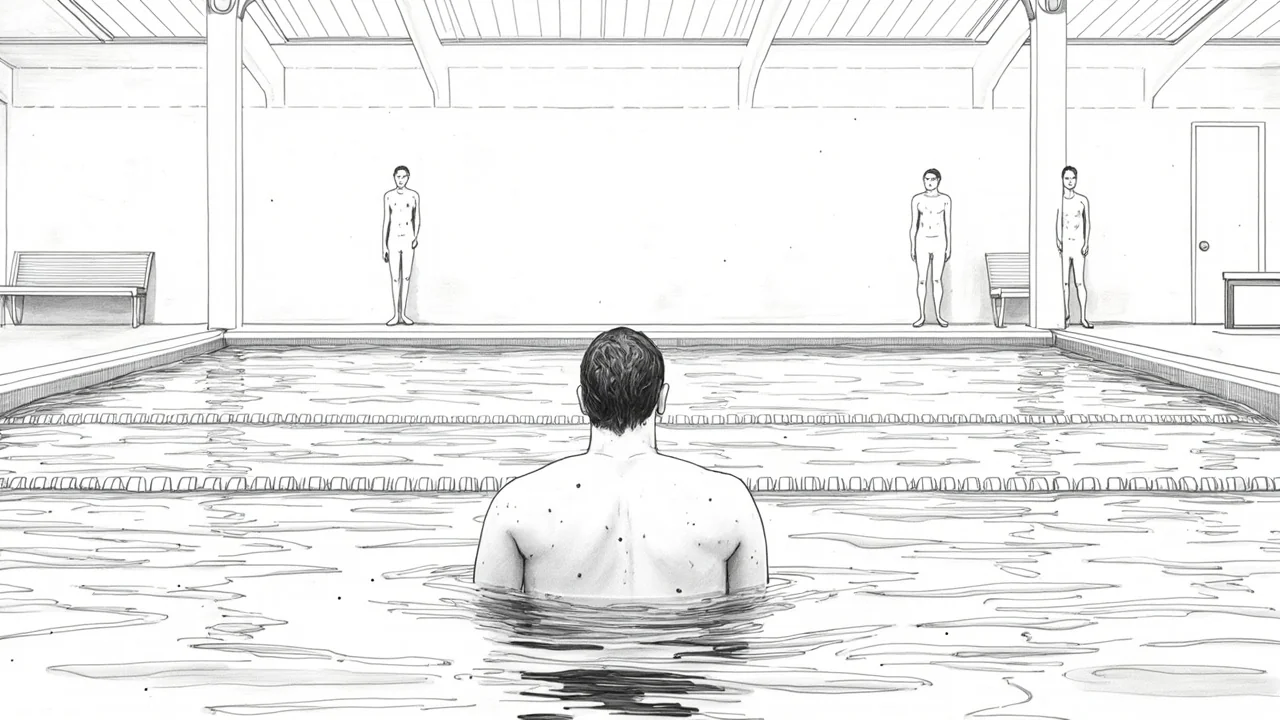
Finland's public swimming pools maintain strict but commonly misunderstood rules that lifeguards must constantly reinforce. At the Lappeenranta swimming hall, attendants Vilma Artellinen and Oona Papunen monitor ten screens from their control room, watching the bustle of the pool area and deciding when to intervene. Their daily work involves guiding both first-timers and regulars through a set of essential safety and hygiene protocols that are standard across the country. 'You have to shower before going swimming, not go into the deep end if you can't swim, and not run too fast on the walkways,' Papunen lists the most common topics of instruction. The hall uses clear signage on walls and poolside to remind visitors: no mobile phones, no jumping into the pool from the side, feet-first entries only, and a reminder about using the diving board properly.
The Watchful Eyes of Surveillance
Vilma Artellinen's shift involves constant vigilance from behind a bank of monitors. The ten flickering screens provide a comprehensive view of the entire swimming hall complex, allowing the attendants to assess the level of activity and pinpoint situations that require attention. This surveillance is not primarily for security but for proactive safety management. The goal is to prevent accidents before they happen by observing behaviors like reckless jumping, overcrowding in lanes, or swimmers venturing out of their depth. The attendants say most first-time visitors understand the reasoning when the rules are explained to them. Regular patrons also often help guide newcomers, creating a collective culture of safety.
Common Violations and Gentle Reminders
The rules that cause the most frequent reminders are rooted in fundamental safety and public health principles deeply ingrained in Finnish swimming hall culture. The requirement to shower thoroughly with soap before entering the pool is non-negotiable, aimed at maintaining water quality and hygiene for all users. The prohibition against jumping into the pool from the side, mandating the use of designated jumping spots or entering feet-first, is a major point of enforcement to prevent collisions and injuries. Lifeguards also consistently monitor for non-swimmers in deep water and excessive speed on wet walkways, which are leading causes of slips and falls. The ban on mobile phones in pool areas is strictly enforced to protect privacy and maintain a tranquil environment.
Education Over Enforcement
The approach taken by the Lappeenranta staff, as described by Artellinen and Papunen, emphasizes guidance and education ahead of strict enforcement. They indicate that preemptive instruction is especially important as the facility welcomes many new customers. The attendants suggest that clear, upfront communication leads to better compliance and a more pleasant experience for everyone. The physical signage acts as a constant, silent guide, reinforcing the verbal reminders. This system relies on a degree of social responsibility and a willingness to follow shared rules, a concept that aligns with broader Finnish societal values. The attendants note that most people respond positively to polite correction.
The Role of Regular Patrons
An unspoken layer of rule enforcement comes from the pool's regular visitors. According to the attendants, these 'vakioukot' or regulars are often happy to guide and advise fellow swimmers. This peer-to-peer reinforcement strengthens the safety culture and reduces the burden on official staff. It creates an environment where the rules are seen as communal norms rather than top-down dictates. This dynamic is crucial in a public facility that caters to a wide range of ages and abilities, from children taking their first lessons to elderly swimmers maintaining their health. The regulars help socialize new users into the expected conduct, explaining why certain behaviors, like running or diving in shallow areas, are risky.
Seasonal Challenges and Cultural Context
While the source material does not specify seasonal data, public pools in Finland typically see influxes of new users during school holidays, summer breaks, and with the introduction of new swimming lesson cohorts. These periods require heightened attention from attendants as families and less-experienced swimmers populate the facilities. The rules, while sometimes seen as strict by visitors from cultures with more relaxed pool environments, are standard operational procedure in Finland. They are born from a long tradition of public swimming hall use and a strong emphasis on accident prevention and public health. The Lappeenranta pool's practices are not unique but rather a reflection of national standards for aquatic leisure facilities.
Balancing Safety with Enjoyment
The ultimate challenge for the attendants is maintaining a safe environment without stifling the fun and relaxation that draw people to the pool. Their interventions are measured, focusing on clear, immediate risks. The atmosphere they describe is not one of harsh policing but of vigilant stewardship. By focusing on the most critical rules—hygiene, controlled entry, depth awareness, and walkway safety—they address the majority of potential hazards. The presence of clear rules and consistent, friendly enforcement allows the vast majority of visitors to enjoy the facility with peace of mind, knowing that a basic standard of conduct is upheld for collective well-being. This balance is key to the sustainable operation of any popular public space.
A Model of Public Space Management
The Lappeenranta swimming hall's approach offers a microcosm of Finnish public space management. It operates on a foundation of clear, posted rules, proactive supervision, and a societal expectation of rule adherence. The system is designed to be educational and preventive. The attendants act as facilitators of safety rather than mere enforcers. This model relies on and reinforces a high level of public trust and mutual respect. While the specific issues—sauna shouters, jumping children, or side-by-side swimming grandmas—might seem minor, addressing them systematically prevents the minor irritations and safety lapses that can degrade a shared environment. The pool's quiet efficiency in managing these everyday challenges underscores a broader cultural competency in maintaining high-quality public infrastructure.