
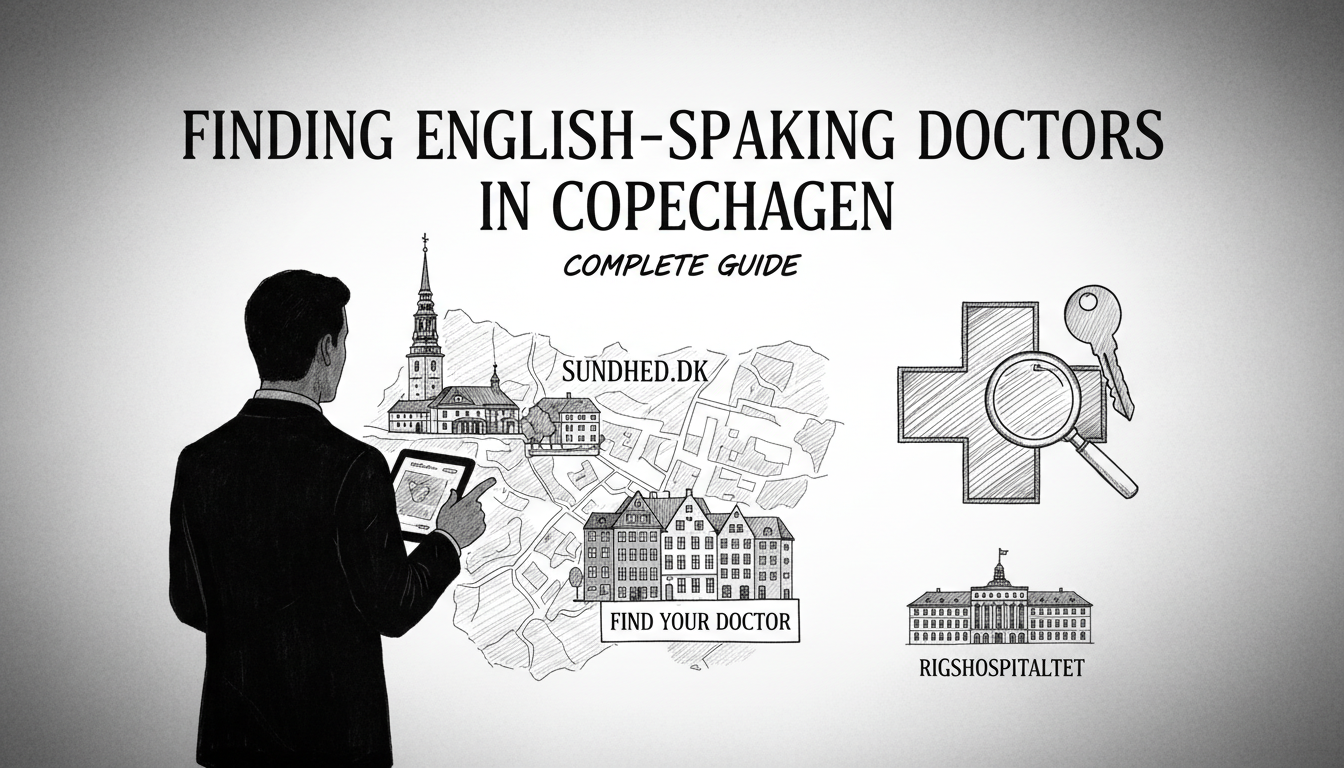
When Sarah Thompson moved from London to Copenhagen, she faced an unexpected medical crisis. Her Danish was limited to 'tak' and 'hej.' She needed urgent care for a persistent infection. Navigating Copenhagen's healthcare system seemed daunting. Yet she found quality English-speaking care within days. Her experience mirrors that of many expats in Denmark's capital.
Understanding Copenhagen's Healthcare System
Public vs. Private Healthcare Options
Denmark's public healthcare system covers most residents. It operates through regional health authorities. Private options exist for faster access. Public care requires a yellow card. Private clinics accept direct payment. Many expats use both systems. Public GP visits cost about 200-300 DKK. Private consultations range from 800-1500 DKK.
How to Get Your Yellow Card (CPR Number)
Your CPR number unlocks public healthcare. Register at your local Borgerservice center. Bring your residence permit and rental contract. Processing takes 2-4 weeks. You receive your yellow health insurance card by mail. This card is essential for doctor visits. Without it, you pay full price for medical services.
Tools
Call home for less
Save up to 90% on international calls to family and friends.
Links may be monetized via affiliate partners.
Emergency vs. Non-Emergency Medical Care
Emergency rooms handle life-threatening conditions. Call 112 for ambulances. Use Bispebjerg Hospital's emergency department for serious issues. Non-emergency care starts with your GP. They refer you to specialists when needed. After-hours medical helpline 1813 provides phone advice. They can direct you to appropriate care.
Where to Find English-Speaking General Practitioners
Using the Public Healthcare Portal
Visit sundhed.dk to find English-speaking doctors. Filter by language preference. The portal shows GP availability in your area. Copenhagen has over 50 English-speaking GPs. Dr. Anne Kjær in Østerbro sees many international patients. Her practice has three English-speaking doctors. Wait times for appointments average 3-5 days.
Private Clinic Networks and Options
Aleris-Hamlet and Copenhagen Medical offer private English care. Aleris-Hamlet charges 1200 DKK for GP consultations. They have locations in City Center and Frederiksberg. Copenhagen Medical provides same-day appointments for 1500 DKK. Their doctors all speak fluent English. Many patients use private clinics for immediate needs.
Neighborhood-Specific Doctor Recommendations
Vesterbro Medical Practice serves the expat-heavy Vesterbro area. Dr. Maria Schmidt accepts new international patients. Østerbro Family Clinic specializes in expat families. Nørrebro has fewer English options but Doktor.dk offers translation services. Christianshavn residents often use Island Brygge Medical Center.
What to Look for in a GP Practice
Choose clinics with multiple English-speaking doctors. Check their online booking systems. Ensure they offer electronic prescriptions. Good practices provide test results in English. Avoid clinics requiring Danish for basic communication. Ask about referral networks to English-speaking specialists.
Specialist Care and Hospital Services in English
Finding English-Speaking Specialists
Your GP refers you to specialists. Request English-speaking providers explicitly. Rigshospitalet's International Department coordinates care for foreigners. Their staff includes English-speaking specialists across 30 departments. Private hospitals like Hamlet offer direct specialist access. Endocrinology and psychiatry have strong English-language options.
Major Hospitals with International Departments
Rigshospitalet leads in international patient care. Their international office helps navigate the system. Bispebjerg Hospital has English-speaking staff in most departments. Herlev Hospital offers interpreter services for complex cases. Amager Hospital serves southern Copenhagen with English support. All major hospitals provide essential information in English.
Referral Process from Your GP
Your GP creates an electronic referral. This goes to your chosen specialist. Wait times vary by specialty. Dermatology appointments take 2-3 weeks. Cardiology might require 4-6 weeks. Private referrals process faster, often within days. Always confirm the specialist speaks English before accepting the referral.
Private Health Insurance for Specialist Care
International health insurance speeds specialist access. Companies like Cigna and Allianz partner with Danish providers. Basic plans cost 500-800 DKK monthly. They cover private specialist visits fully. Without insurance, private cardiology consultations cost 2500-4000 DKK. Insurance makes private care affordable for many expats.
Practical Steps for Your First Appointment
How to Book an Appointment
Book public GP visits through sundhed.dk or your clinic's website. Private clinics use their own booking systems. Doktor.dk offers video consultations in English. Most clinics release morning appointments at 8 AM. Call directly if online booking fails. Emergency slots open daily for urgent issues.
What Documents to Bring
Bring your yellow card and photo ID. Include your European Health Insurance Card if applicable. Bring medication lists and previous medical records. Have your Danish address and phone number ready. Private clinics require payment method upfront. Some ask for insurance details if applicable.
Understanding Co-Payments and Fees
Public GP visits cost about 250 DKK after subsidy. Specialist consultations range from 300-500 DKK. Hospital treatments have annual spending caps. Once you spend 1250 DKK annually, further treatment is free. Private fees vary widely. Always ask for cost estimates beforehand.
Communication Tips for Non-Native Speakers
Prepare symptoms and questions in writing. Use simple, clear English. Avoid medical jargon when describing issues. Ask for clarification if instructions seem unclear. Request written summaries of diagnoses. Many doctors provide after-visit notes in English.
Alternative Healthcare Options
Telemedicine Services in English
Min Doktor offers video consultations in English. Appointments cost 400 DKK. They prescribe medication when appropriate. Copenhagen Medical provides telemedicine for existing patients. These services work well for follow-ups and minor issues. They cannot handle emergencies or physical examinations.
International Medical Centers
International House Copenhagen offers healthcare guidance. They connect expats with English-speaking providers. Copenhagen Private Hospital specializes in international patients. Their staff includes doctors from 15 countries. SOS International provides 24/7 medical assistance in English. They coordinate care across Scandinavia.
Dental Care in English
Tandlægerne I København has English-speaking dentists. Check-ups cost 600-800 DKK. Copenhagen Dental Center offers comprehensive English services. Many dentists in central Copenhagen work with international patients. Emergency dental care is available through specific clinics.
Mental Health Services for Expats
Psykiatrisk Center Copenhagen has English-speaking therapists. Initial consultations cost 800 DKK. Private practices like Psychology Copenhagen specialize in expat mental health. Copenhagen Counseling serves the international community. Wait times for therapy average 2-3 weeks.
Frequently Asked Questions
How quickly can I get a GP appointment in Copenhagen?
Public system appointments typically take 3-5 days. Private clinics often offer same-day slots. Emergency issues can be seen immediately through on-call services.
Do all Danish doctors speak English?
Most younger doctors speak excellent English. Older practitioners may have limited fluency. Always verify language capability when booking appointments.
What happens if I need medical care before getting my CPR number?
You will pay full price for services. A GP visit costs approximately 800 DKK without the yellow card. Emergency care is always available regardless of documentation.
How much does private health insurance cost in Denmark?
Basic international coverage runs 500-800 DKK monthly. Comprehensive plans cost 1000-1500 DKK. Prices vary by age and coverage level.
Can I choose my own hospital for specialist care?
Your GP typically refers you to specific hospitals. You can request English-speaking facilities. Private insurance often allows hospital choice.
Are prescription medications covered in Denmark?
Public system medications are subsidized. You pay part of the cost up to an annual cap. Private prescriptions require full payment unless covered by insurance.
What emergency numbers should I know?
Call 112 for life-threatening emergencies. Use 1813 for medical advice and non-urgent issues. SOS International provides 24/7 assistance at +45 7010 5050.