
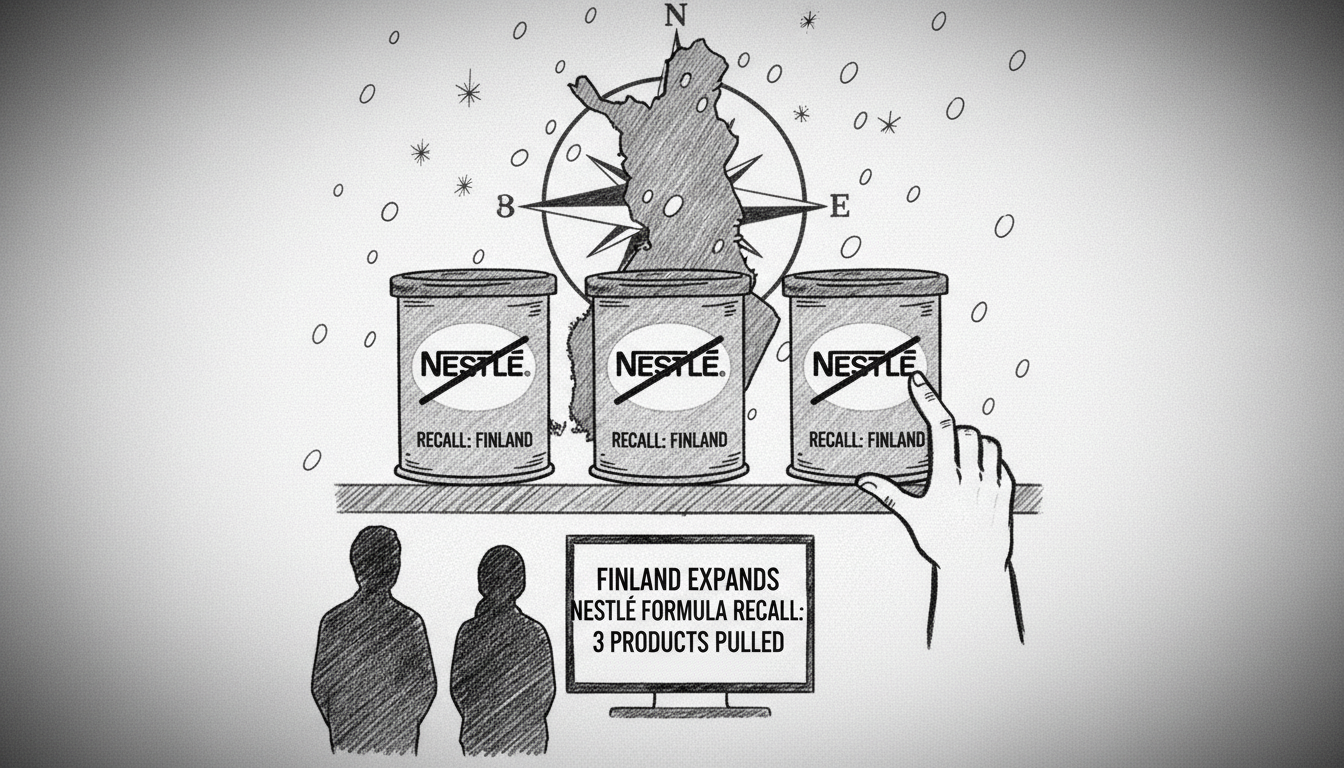
Finland's latest infant formula recall has escalated as Nestlé expands a precautionary withdrawal of three popular products. The food giant announced it is pulling additional batches of NAN PRO 1, NAN HA 1, and NAN Sensilac 1 powdered formulas from store shelves and household pantries. This action follows an initial recall notice issued on December 10th, which has now been broadened after company investigations identified a potential contamination source. The move underscores the high-stakes nature of food safety, particularly for products destined for vulnerable infants.
Parents across Finland are being urged to check their cupboards after the updated alert. The affected products were sold widely in Finnish grocery stores. Nestlé states the recall is a precautionary measure due to the potential presence of trace amounts of cereulide, a toxin produced by Bacillus cereus bacteria. The company identified the possible contaminant in a specific oil-based raw material used in very small quantities during manufacturing. As of Monday, no illnesses have been reported in connection with the consumed products, according to the company's statement.
A Precaution Rooted in Trace Analysis
The decision to widen the recall reflects a cautious approach by both Nestlé and Finnish authorities. The investigation, triggered by the initial finding, led to the inclusion of more product batches beyond the single batch of NAN Sensilac 1 first identified. Cereulide is a heat-stable toxin that can cause nausea, vomiting, and abdominal cramps. Its presence, even in minute quantities, in a product designed for infants—a group with developing immune systems—triggers the highest level of corporate and regulatory caution. Nestlé has advised consumers who have used the product and whose child shows sudden symptoms to contact healthcare services immediately.
This procedural escalation from a specific batch to multiple product lines demonstrates how modern food safety protocols work. Companies conduct trace-back investigations to map ingredient sources and production timelines. The Finnish Food Authority, known as Ruokavirasto, monitors these actions closely. Its role is to ensure companies fulfill their legal obligation to promptly address hazards and communicate transparently with the public. A recall expansion signals that internal audits traced the potentially affected raw material through a wider segment of the production cycle than initially suspected.
The Finnish Safety Net in Action
Finland's food safety framework operates on a principle of preventive risk management. The Ruokavirasto sets stringent standards and conducts regular inspections, but primary responsibility for safe products lies with manufacturers and distributors. When a potential issue emerges, the system relies on swift corporate action followed by regulatory oversight. This Nestlé case shows the mechanism in practice: a company identifies a potential risk, initiates a voluntary recall, investigates further, and then expands the action based on new findings—all under the watchful eye of the national authority.
Food safety experts stress that proactive recalls, even without reported illnesses, are a sign of a functioning safety culture. They prevent potential harm rather than merely reacting to outbreaks. For infant formula, the margins for error are virtually zero. The entire process—from the factory floor to the supermarket shelf—is designed to catch deviations. This multi-layered approach is critical in a global supply chain where a single raw material from one supplier can affect products across multiple markets. The investigation will now focus on pinpointing the exact origin of the contamination within the supply chain to prevent recurrence.
Corporate Responsibility and Consumer Trust
Nestlé's handling of this incident will be scrutinized for its transparency and effectiveness. The company must ensure the recall message reaches all consumers, including those who may have purchased the product months ago. The affected batches have a 2025 best-by date, meaning they could still be in homes. Effective communication involves clear instructions on how to identify the specific batches, packaging types, and lot numbers involved. It also requires providing easy channels for refunds or exchanges to maintain consumer trust in both the brand and the broader category of infant nutrition products.
Major recalls always carry a significant financial and reputational cost. For a global giant like Nestlé, its response in a highly regulated market like Finland serves as a public case study. The company emphasized the recall is a "precautionary measure" born from its own quality controls. This framing is important; it positions the action as a voluntary, responsible step rather than one forced by regulators after harm occurred. In the competitive infant formula market, trust is the paramount currency. A transparent and thorough recall process can, paradoxically, reinforce a brand's commitment to safety in the long term.
Looking Beyond the Immediate Withdrawal
While the immediate focus is on removing products from circulation, the longer-term implications involve supply chain audits and regulatory reviews. The Bacillus cereus bacterium is common in the environment, but its toxin in infant formula points to a specific failure in sterility or quality control at some point from ingredient sourcing to processing. Nestlé and its suppliers will need to conduct a root-cause analysis. This may involve reviewing hygiene protocols, testing procedures for raw materials, and the sterilization processes used in manufacturing.
The incident also highlights the interdependence of global and local food safety. Nestlé is a multinational, but its products in Finland must comply with strict national and EU regulations. The Ruokavirasto will assess whether the company's actions were sufficient and timely. Furthermore, the case may prompt discussions at the EU level about harmonizing testing protocols for certain bacterial toxins in specialized foods. As supply chains grow more complex, the systems designed to safeguard them must continually adapt. For now, Finnish parents are left double-checking labels, a simple action that represents the final, critical link in the chain of safety. Will this recall prompt a wider examination of ingredient sourcing for sensitive products across the industry?