
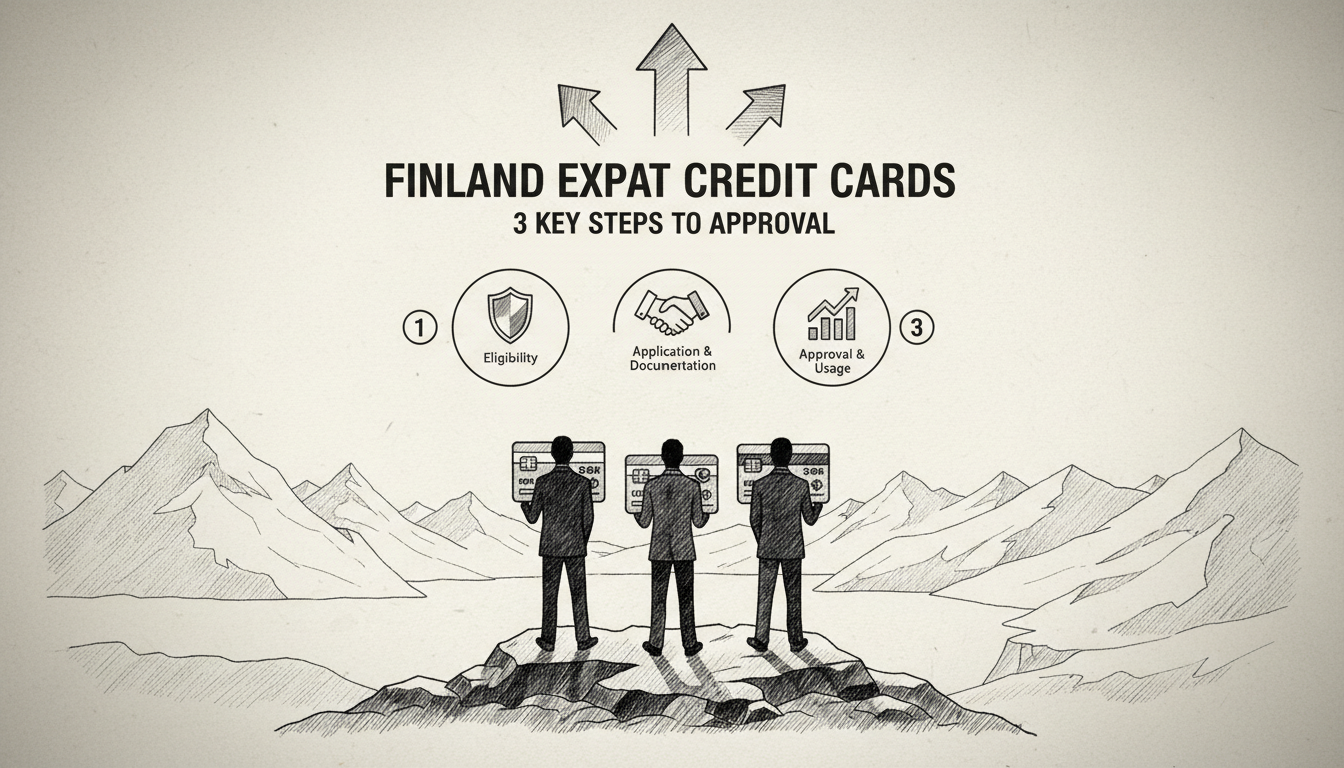
Finland's credit card system presents a formidable first hurdle for thousands of new residents each year. The country's famously stable and digitized banking sector, while efficient for locals, often clashes with international financial norms, leaving expats facing months of rejection and confusion. Navigating this process requires understanding a unique system built on domestic data, patience, and specific strategic moves.
The Finnish Credit Wall: A System Built on Local Trust
At the heart of the challenge is Finland's reliance on a closed-loop credit ecosystem. Banks here depend almost exclusively on data from Suomen Asiakastieto, the national credit bureau holding records on nearly 5 million individuals. Your financial history from Experian in the UK or Equifax in the US carries minimal weight. "The system is designed for stability, not convenience for global nomads," explains a Helsinki-based financial advisor who works with expatriates. "Finnish banks need to see a pattern of responsible financial behavior within their own monitored system. It's about proving you understand and can manage the cost of living here."
This conservative approach is rooted in a broader cultural and economic context. With a household debt-to-income ratio around 120%—lower than many European peers—and over 90% of citizens using online banking, the system prioritizes long-term security. For newcomers, this means starting from zero. The foundational tool is the Finnish personal identity code (henkilötunnus), issued by the Digital and Population Data Services Agency. Without this number, accessing banking, credit, or even a mobile phone plan is virtually impossible.
Building a Financial Foundation: The Six-Month Rule
The universal advice from banks and expats who succeeded is to start building a local financial footprint immediately. The first step is opening a basic transaction account with a major bank like Nordea or OP Financial Group upon arrival. This account must become the hub of your Finnish financial life. Use it for all daily purchases, and crucially, set up automatic payments for recurring Finnish bills like rent, electricity, and telecommunications.
Banks actively monitor these transaction patterns for a minimum of six months. They are looking for evidence of stable income deposits—typically a Finnish employment contract—and responsible outflow management. "We need to see that regular salary is coming in and that essential living costs are being met consistently," says a product manager for Nordea's International Banking services. "It's a behavioral audit. Six months of clean history is the baseline for most credit products."
This period can feel frustratingly opaque. Unlike systems with clear credit scores, progress in Finland is often unquantified until you apply. The key is consistency. Avoid overdrafts, ensure all direct debits are covered, and maintain a stable address registered with the population system.
Strategic Pathways: Secured Cards and Fintech Bridges
For those who face initial rejection—a common experience—secured credit cards offer a proven workaround. S-Pankki, the bank owned by the S-Group retail cooperative, is a primary provider. These cards require a cash deposit, typically between 500 and 2000 euros, which is locked in a separate account and sets the credit limit. Functionally, it's your own money, but using the card and repaying it on time creates a formal payment history reported to Suomen Asiakastieto.
"A secured card is a training wheel product," the financial advisor notes. "Use it for a year, pay the balance in full every month, and you will have built the trusted profile needed for an unsecured card. Almost all of my clients who follow this path are approved afterward."
Concurrently, fintech services can provide functionality while you build history. Revolut, which offers Finnish IBAN accounts to residents, provides excellent spending analytics and currency exchange, though its credit products are separate from the Finnish system. More strategically, services like Lendify offer small, short-term loans to newcomers. Successfully repaying these loans is reported to credit agencies and demonstrates formal debt management. These tools should complement, not replace, your primary Finnish bank account.
Choosing Your Card: Nordea vs. OP and the Cost of Credit
Once eligible, expats typically choose between the two dominant banking groups. Nordea's International Banking package includes the Visa Classic card, costing 35 euros annually. It offers 0.5% cashback on purchases and includes travel insurance for trips under 45 days, a useful perk for those exploring Europe. Its foreign transaction fee is 1.75%.
OP Financial Group, a customer-owned cooperative, offers the Visa Electron through its "New in Finland" program. Its structure and benefits can vary based on the individual local cooperative, but it emphasizes integration into Finland's widespread OP service network. Comparing the specific terms from your local OP branch is essential.
Beyond fees, consider the ecosystem. Nordea's global reach can benefit those frequently transferring funds internationally. OP's deeply local network offers strong in-person service across the country. For day-to-day use in Finland, both are equally effective.
The Long Game: Patience in a System Built to Last
The ultimate lesson for expats is that Finland's credit system is not designed for speed. It is a gatekeeper for a financial environment renowned for its stability and low default rates. The initial barriers, while significant, force a period of financial acclimatization. The process teaches the rhythms of Finnish bills, the necessity of digital banking proficiency, and the fiscal conservatism that underpins the society.
Success requires a shift in mindset. You are not transferring your financial identity; you are constructing a new one from the ground up, using local materials. Start the day you receive your personal identity code, be meticulous for six months, and use strategic tools like secured cards if needed. The reward is more than a piece of plastic; it's full integration into one of the world's most stable and efficient digital financial societies. The system asks for proof you plan to stay and thrive. Your credit card application is your answer.