
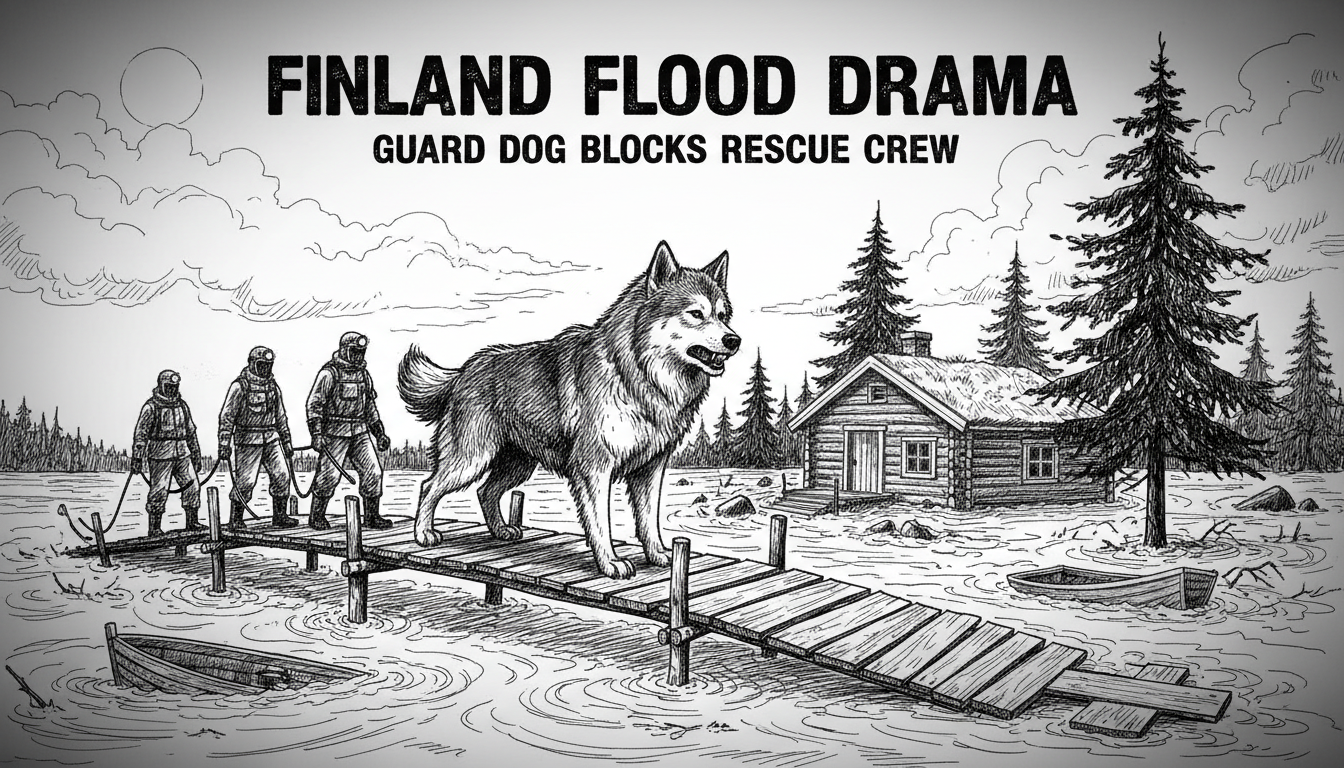
Finland water damage crews faced an unexpected obstacle this week when a protective guard dog refused them entry to a flooding apartment in Porvoo. The incident in the Gammelbacka district highlights the complex scenarios emergency responders routinely navigate, where animal behavior and property access can escalate minor leaks into major damages. This Wednesday morning call to the Eastern Uusimaa Rescue Department started as a routine water leak report but quickly became a multi-agency operation requiring police intervention and a search for the absent homeowner.
A Rising Tide in Gammelbacka
Neighbors in the three-story building first noticed water seeping under a door and into the common hallway around 9:30 AM. Upon investigating, they discovered a significant flow coming from a neighboring apartment. The Eastern Uusimaa Rescue Department arrived promptly at the Gammelbacka address, a residential area in the historic city of Porvoo located 50 kilometers east of Helsinki. Their standard protocol for suspected internal flooding is to gain immediate access to stop the water source, typically a burst pipe or malfunctioning appliance. This time, however, the door was answered not by a resident but by a determined canine defender.
The dog, described by officials as being fiercely protective of its home, positioned itself between the responders and the interior of the apartment. It barked, growled, and blocked the doorway, making it impossible for the firefighters to enter and assess the situation. With water continuing to flow unchecked, the potential for structural damage to the building was increasing by the minute. Water damage in Finnish apartments can be particularly severe due to the widespread use of water-based underfloor heating systems and interconnected ventilation ducts. A leak in one unit can quickly spread to adjacent apartments and common areas, leading to mold risks and costly repairs.
Police Assistance and a Waiting Game
Faced with this unusual barrier, the rescue crew contacted the local police for assistance. Two officers arrived at the scene, but even their presence did not deter the vigilant pet. The dog remained steadfast in its guard duty, unwilling to let the unfamiliar uniformed officials pass. Standard procedure in such cases prioritizes non-confrontational methods. Forcing entry past a protective animal risks injury to both the responders and the pet, potentially escalating the situation into a dangerous confrontation.
"Our primary goals are life safety and property preservation," a representative from the Eastern Uusimaa Rescue Department explained. "When an animal prevents safe access, we must find alternative solutions that don't compromise anyone's welfare." The responders were left with one clear option: locate the apartment's owner. While police attempted to calm the dog, rescue personnel and building managers worked to track down the tenant's contact information. This delay, which lasted over an hour, allowed the water to continue its spread through the property.
A Common Problem with Complex Solutions
This incident is far from isolated in Finland. Emergency services across the Nordic country report numerous calls each year where pets, most commonly dogs, complicate response efforts. These range from fires and medical emergencies to situations exactly like the one in Porvoo. The Finnish constitution protects the inviolability of the home, and forced entry is a serious measure. While responders have the authority to enter premises during an emergency, they must always weigh the justification against the methods used.
Animal experts note that a dog's behavior in such a scenario is natural. "From the dog's perspective, its home is being invaded by strangers while its owner is away," says Elina Salo, a Finnish animal behaviorist consulted for this article. "The dog is doing its job as it sees it. The stress of the unknown situation, combined with the sound of running water and the arrival of unfamiliar people, can heighten its protective instincts." She emphasizes that responsibility lies with pet owners to consider emergency access when they are absent, perhaps by informing a trusted neighbor or using a lockbox for a key.
The Owner Arrives and the Tide Recedes
The situation in Porvoo was finally resolved when rescue officials successfully reached the apartment owner by phone. The owner returned to the property promptly and secured the dog, allowing the firefighters to finally enter. Inside, they found a significant internal flood. The source was a domestic plumbing failure. The crew shut off the water supply and began the initial damage mitigation, using pumps and extractors to remove standing water. The full extent of the damage to floors, walls, and personal property will be assessed by insurance adjusters.
This case underscores a gap in many emergency preparedness plans. While municipalities have detailed protocols for major disasters, everyday emergencies involving pets are often handled on an ad-hoc basis. Some Finnish cities have begun discussing centralized registries where pet owners can voluntarily note the presence of animals in their homes, providing instructions for emergency responders. However, data privacy concerns and the practicality of maintaining such a list present significant hurdles.
Broader Implications for Finnish Housing
The Porvoo incident also touches on the persistent challenge of water damage in Finland's housing stock. The country's harsh climate, with freezing winters and thawing springs, puts constant strain on plumbing. Many buildings, especially in older districts like those found in Porvoo, have aging pipes and infrastructure. A 2022 report from the Finnish Ministry of the Environment noted that water damage remains the most frequent and costliest cause of property insurance claims in the residential sector, totaling hundreds of millions of euros annually.
From a policy perspective, this event blends animal welfare, property law, and public safety. The Finnish Rescue Act mandates that responders act to prevent danger, but it does not provide specific guidance for animal encounters. Meanwhile, the Act on the Protection of Animals requires that animals be treated with care and not subjected to unnecessary suffering. Navigating these overlapping responsibilities in a high-pressure moment requires calm judgment and patience, as demonstrated by the Porvoo crews.
The story from Gammelbacka ended without injury to people or the pet. The dog was simply being a loyal companion, and the responders acted with commendable restraint. Yet, the water damage bill will be substantial. It serves as a poignant reminder for all pet owners: in a country where homes are sanctuaries against the cold, ensuring that help can enter in a crisis is a critical part of responsible ownership. As Finland continues to modernize its emergency response frameworks, will protocols for our four-legged family members become a standard part of the plan?