
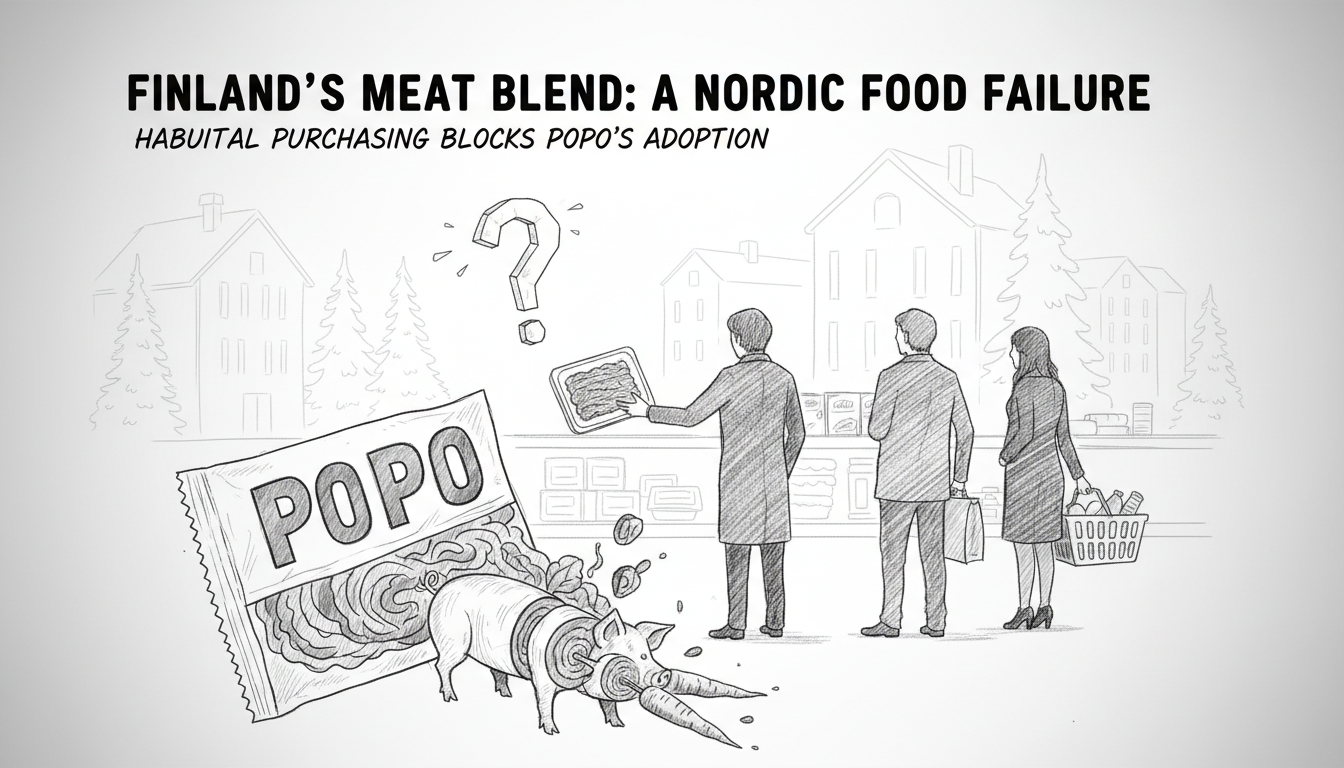
A Finnish experiment to blend pork with carrot, launched onto the market eight years ago, has become a case study in consumer resistance to hybrid meat products. The product, known as Popo, was discontinued after a brief period of initial interest. This story highlights the challenges of introducing novelty into a staple food category where purchasing habits are deeply ingrained. The Finnish food sector continues to navigate the tension between innovation and tradition.
HKFoods Finland's meat business director Mikko Järvinen explained the product's lifecycle in a recent interview. He noted the initial launch coincided with a peak in plant-based food trends. The first year saw good sales, but a sharp decline followed in the second year. By the third year, consumers had largely returned to their regular ground meat choices. Production ceased entirely at the start of the decade.
The subsequent global pandemic further solidified consumer preference for familiar, safe food options. More experimental meat blends remained on store shelves. Järvinen pointed out that Finns consume more beef than pork mince, creating one market hurdle. The core issue, however, is habitual purchasing behavior. Ground meat is a staple in Finland, and many shoppers buy it on autopilot. They reach for the same familiar package without considering alternatives. This makes the category notoriously difficult for new product introductions.
HKFoods has tested other blended products, including ground meat seasoned with tomato and basil or enhanced with bacon. Järvinen acknowledged that hybrid foods represent a larger, recognized trend within the food industry. Plant-based protein options have improved dramatically in recent years, offering better taste and texture. He predicts that hybrid products will likely gain a stronger foothold first in the food service sector, such as professional kitchens. In those settings, dietary recommendations and cost considerations are factored more deliberately into menu planning.
The Popo story reflects a broader Nordic consumer paradox. While Finland is often seen as open to food innovation and sustainability, practical meal preparation relies on trusted staples. The failure was not due to product quality but to a mismatch with entrenched weekly shopping rituals. For international observers, this case underscores that even in progressive markets, disrupting core dietary habits requires more than a novel ingredient mix. It demands a fundamental shift in the unthinking routine of the supermarket aisle. Future hybrid meat success in Finland may depend less on the blend itself and more on its integration into convenient, pre-made meal solutions that bypass the raw ingredient choice altogether.