
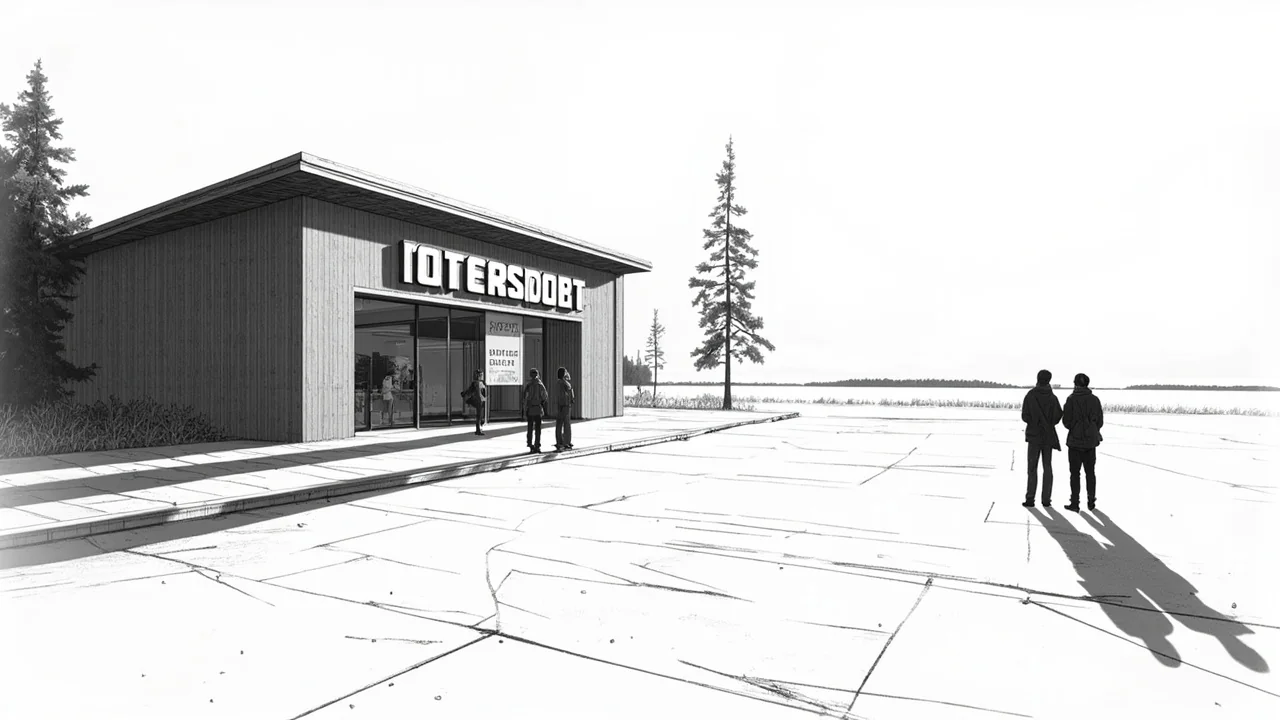
Finland's retail sector faces another localized challenge as the Intersport store in Lappeenranta's Iso Kristiina shopping center prepares for new ownership. The current franchisees, Markus Hämäläinen and Jenni Härkönen, will conclude their operations this spring after the business failed to meet commercial expectations. Their departure highlights the specific pressures on regional retail, particularly for stores dependent on seasonal consumer spending and broader economic confidence. "This did not meet our expectations in a commercial sense in this situation," Hämäläinen stated, pointing to weak consumer confidence and mild winters as key factors. The store's significant reliance on winter sports equipment, clothing, and footwear sales made it uniquely vulnerable to unpredictable weather patterns and cautious household spending.
A Microcosm of Broader Economic Headwinds
The situation in Lappeenranta is not an isolated incident but reflects wider trends affecting Finnish retail, especially outside the Helsinki metropolitan area. Consumer confidence in Finland has remained fragile, with households tightening budgets amid persistent inflation and high interest rates. For a specialty retailer like Intersport, which operates on a franchise model, this creates a double bind: fixed operational costs meet volatile, weather-dependent demand. The incoming franchisees, relocating from the capital region, represent a vote of confidence in the location itself but also underscore the turnover and risk inherent in the sector. Their success will depend on navigating the same economic climate that challenged their predecessors, requiring potentially different strategies for inventory management and customer engagement.
The Crucial Role of Seasonal Weather
Hämäläinen's specific mention of "mild winters" points to a critical vulnerability for many Finnish businesses. The winter sports and outdoor recreation industry is a substantial part of the national economy and cultural fabric. Successive seasons with low snowfall and unusually warm temperatures directly impact sales of skis, winter clothing, ice fishing gear, and other cold-weather products. This weather dependency introduces a significant element of uncertainty into business planning for retailers across the country. While climate adaptation is discussed at a national policy level, individual small business owners and franchisees bear the immediate financial risk. The Lappeenranta case shows how macro-environmental factors translate directly into micro-level commercial outcomes, determining whether a local store remains viable.
The Franchise Model Under Pressure
The change in franchisees at the Iso Kristiina Intersport spotlights the dynamics of the franchise system in a challenging economy. Franchisees invest significant capital to operate under a brand's umbrella, benefiting from its marketing and supply chains but also adhering to its standards and fee structures. When local conditions deteriorate—due to weather, local competition, or regional economic slowdown—the franchisee is the first to feel the pinch. The Intersport brand itself remains, but the human and financial cost is absorbed by the individual operators. This model can lead to churn in less prosperous regions, as seen here, where the capital required and the operational stamina needed to weather downturns are substantial. The arrival of new owners from the Helsinki region may bring fresh capital and perspective, but it does not change the fundamental market conditions they must confront.
Local Impact and the Future of Provincial Retail
For Lappeenranta, a city in the South Karelia region, the continuity of the Intersport store is positive, preventing a vacant retail unit in the Iso Kristiina center. However, the turnover of owners indicates underlying stress in the local commercial ecosystem. It raises questions about the sustainability of certain retail formats in provincial cities facing population stagnation or aging demographics. The store's future success will likely depend on the new owners' ability to diversify offerings, perhaps emphasizing year-round sports and outdoor activities less susceptible to winter weather, or enhancing their online and community engagement to build a more resilient customer base. Their move from the capital region also reflects an internal migration trend where professionals sometimes seek opportunities in smaller cities with lower entry costs, despite the risks.
Analysis: Beyond a Simple Business Closure
This story is more than a simple change of ownership; it is a case study in the interconnected challenges of Finnish regional economics. It combines the national issue of weak consumer confidence, the environmental reality of changing winter patterns, and the specific risks of the franchise retail model. From a policy perspective, it touches on themes relevant to the Finnish government and the Eduskunta, including regional development, support for small and medium-sized enterprises, and the economic impacts of climate change. While not a matter for direct legislative action, the cumulative effect of many such small struggles shapes the economic landscape that policymakers must address. The resilience of Finland's provincial towns depends heavily on the viability of their local businesses, which serve as community hubs and employers.
Looking Ahead: Adaptation as the Key
The ultimate lesson from Lappeenranta may be one of adaptation. Retailers, especially those tied to seasonal cycles, must find ways to buffer against unpredictability. This could mean a stronger omnichannel approach, where a local store serves as a showroom and pickup point for a broader online inventory. It could involve hosting local events, clinics, or rental services to build community ties and create alternative revenue streams. For the Intersport brand and its network, supporting franchisees with flexible inventory models and data-driven insights into local buying trends could help mitigate regional disparities. As the new owners take over, their strategy will be closely watched by other retailers in similar positions across Finland. Their success or failure will offer valuable, real-world data on what it takes to sustain a specialty retail business in today's challenging Finnish market. The question remains: can local retail adapt fast enough to keep pace with changing climates and consumer habits?