
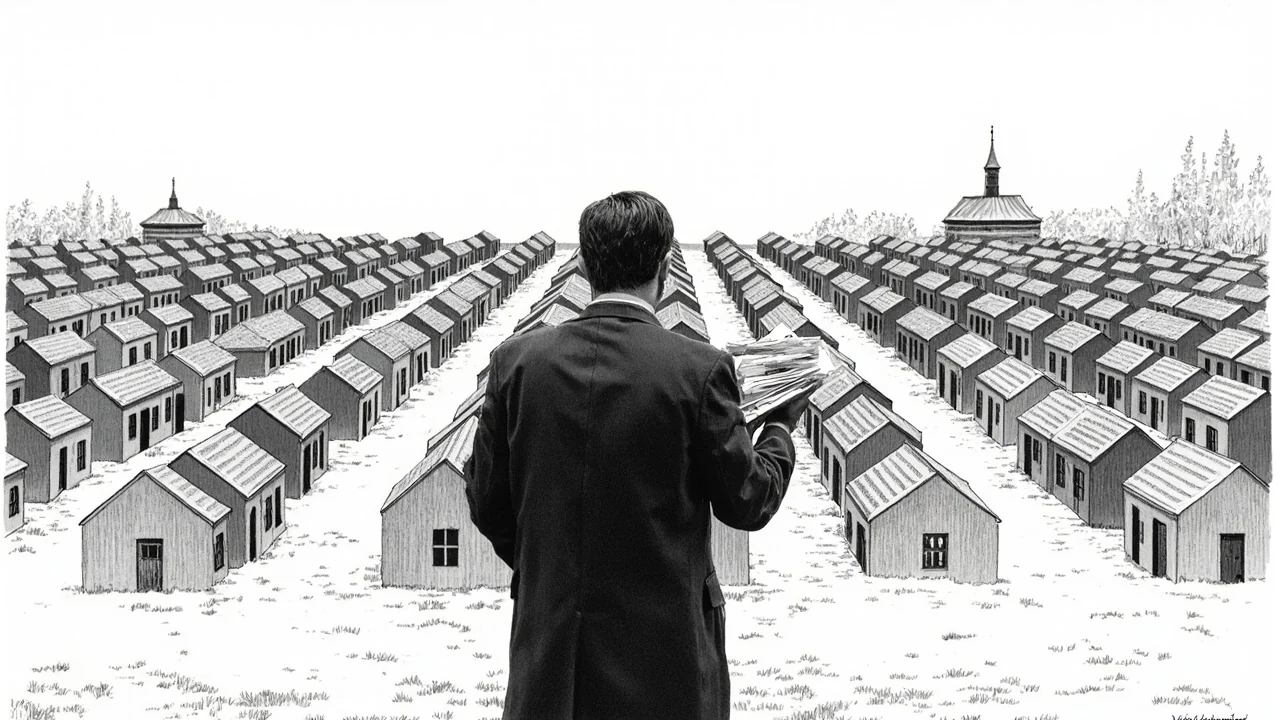
Finland's most persistent serial complainer has filed appeals against all 71 family housing plots allocated in Tampere's autumn 2025 lottery, marking the latest escalation in a twelve-year conflict with city authorities. Mika Kristian Roivas, publicly dubbed the 'serial complainer,' submitted formal objections claiming the distribution process was flawed and unfair. His action targets a lottery designed specifically for Tampere families with children, primarily involving leased plots, and adds to over one hundred similar appeals he has made regarding city property decisions since 2013. The City of Tampere has urged the complaints board to dismiss the case, asserting that its procedures were lawful and transparent. This dispute exposes deeper tensions in Finnish municipal governance and housing policy, raising questions about the balance between individual rights and collective welfare in a system facing increasing demand for affordable homes.
The Tampere Plot Lottery and Immediate Fallout
Tampere's autumn 2025 plot lottery offered 71 single-family home sites, most as leased plots with long-term agreements aimed at local families. The city promoted the lottery as a solution for residents struggling to enter the housing market, emphasizing priority for applicants with children. However, the process attracted two formal complaints, one from Roivas. He criticized the inclusion of applicants who had previously secured plot reservations in earlier lotteries, arguing this skewed fairness. Roivas also alleged the city failed to properly verify applicants' credit information, a step he deemed crucial for responsible allocation. Tampere officials countered that previous plot decisions were not final due to ongoing appeals, including those from Roivas himself, so excluding those winners would be unjust. City rules stipulate a winner can only accept one plot, even if successful in multiple lotteries, and Tampere maintains discretionary power over credit checks. This bureaucratic standoff has delayed the distribution of plots to families, creating uncertainty in a tight housing market.
A Decade of Legal Challenges and Personal Grievances
Mika Kristian Roivas is no ordinary citizen; he is a fixture in Tampere's administrative appeals system, having submitted more than one hundred rectification demands and complaints concerning city property and plot decisions since 2013. He justifies his actions as a crusade against what he perceives as unlawful and erroneous municipal practices. The roots of this conflict trace back to a personal dispute over leased plots from that year, where Roivas felt discriminated against in his own application. This sense of injustice has fueled a relentless campaign, with Roivas now appealing every plot decision made by the city in 2025. His strategy highlights a systemic issue: Finnish law allows broad rights for individuals to challenge municipal decisions, but serial appellants can strain resources and delay projects. The City of Tampere has spent considerable time and legal fees addressing his complaints, diverting attention from other urban planning priorities. This history underscores a paradox where mechanisms designed to ensure fairness are used to potentially hinder community benefits.
Administrative and Legal Implications for Finnish Governance
Roivas's appeals touch on core principles of Finnish administrative law, including equity, transparency, and due process. His focus on credit checks and prior reservations probes the city's operational discretion. Finnish municipalities have significant autonomy under the Local Government Act, but they must adhere to national regulations and EU directives on non-discrimination and public procurement. Experts note that serial complainers, while rare, test the resilience of local bureaucracies. 'Cases like this force municipalities to scrutinize their procedures meticulously,' says a Helsinki-based administrative law scholar who requested anonymity due to the ongoing case. 'However, they also risk creating bottlenecks that affect housing availability, especially in growth cities like Tampere.' The Eduskunta, Finland's parliament, has debated tightening appeal rules for repetitive, frivolous claims, but legislative changes remain stalled. This situation mirrors broader EU concerns about balancing citizen participation with efficient governance, as seen in environmental and planning disputes across the Nordic region.
Impact on Families and Tampere's Housing Policy
For the families awaiting plots, this appeal process means prolonged insecurity. Many applicants are young couples or parents seeking stable homes in a city where housing prices have risen steadily. The leased plot model is a key tool in Finnish urban policy, offering affordable access to land while the city retains ownership. Delays disrupt personal plans and exacerbate Tampere's housing shortage, which contradicts the city's goals for sustainable growth. Mayor Kalervo Kummola (of the National Coalition Party) has emphasized housing as a top priority, but cases like this complicate implementation. Policy analysts argue that while individual appeals are valid, systemic exploitation of the system can undermine public trust. The Tampere case may prompt other Finnish cities to review their allocation criteria and appeal handling processes. It also raises questions about whether current policies adequately protect the interests of genuine home-seekers against procedural blockades.
The Broader Context of Serial Appeals in Finland
Serial complainers are a known phenomenon in Finnish public administration, though few are as prolific as Roivas. Similar cases have emerged in Helsinki and Turku, often involving zoning or environmental permits. These individuals often act without legal representation, leveraging detailed knowledge of regulations to challenge authorities. From an EU perspective, Finland's robust appeal rights align with directives on public participation, but local officials sometimes view them as obstacles to development. The Finnish Ministry of Justice has conducted studies on administrative burden, noting that excessive appeals can delay infrastructure and housing projects. However, reforms require careful calibration to avoid infringing on democratic accountability. In Tampere, Roivas's actions have sparked debate about whether the city should seek cost compensations for frivolous appeals, a measure allowed under Finnish law but seldom applied. This balancing act between preventing abuse and upholding transparency is central to Nordic governance models.
Future Prospects and Resolution Pathways
The Tampere plot lottery appeals are now before the regional administrative board, with a decision expected in early 2026. If dismissed, Roivas could escalate to higher courts, prolonging the uncertainty. The City of Tampere is considering procedural tweaks, such as enhanced documentation for credit checks and clearer rules on applicant eligibility, to forestall future disputes. Meanwhile, housing advocates urge faster resolution mechanisms for family-oriented allocations. Politically, this case may influence upcoming local elections, as candidates debate municipal efficiency and housing access. Looking ahead, Finland's government could revisit legislation on administrative appeals, potentially introducing thresholds for repetitive claims. As urban centers grow, the tension between individual grievances and collective housing solutions will only intensify. The Tampere saga serves as a cautionary tale for cities across the Nordic region, emphasizing the need for clear, fair, and resilient governance structures that can withstand determined scrutiny while serving the public good.
Ultimately, the story of Mika Kristian Roivas versus the City of Tampere is more than a personal feud; it is a stress test for Finnish democratic processes. As families wait for homes and officials navigate legal complexities, the outcome will resonate through Finland's housing policy and administrative practice for years to come. Will the system adapt to prevent such standoffs, or will serial appeals become a permanent feature of urban planning? The answer may define how Finland balances justice with progress in an era of increasing urban demand.