
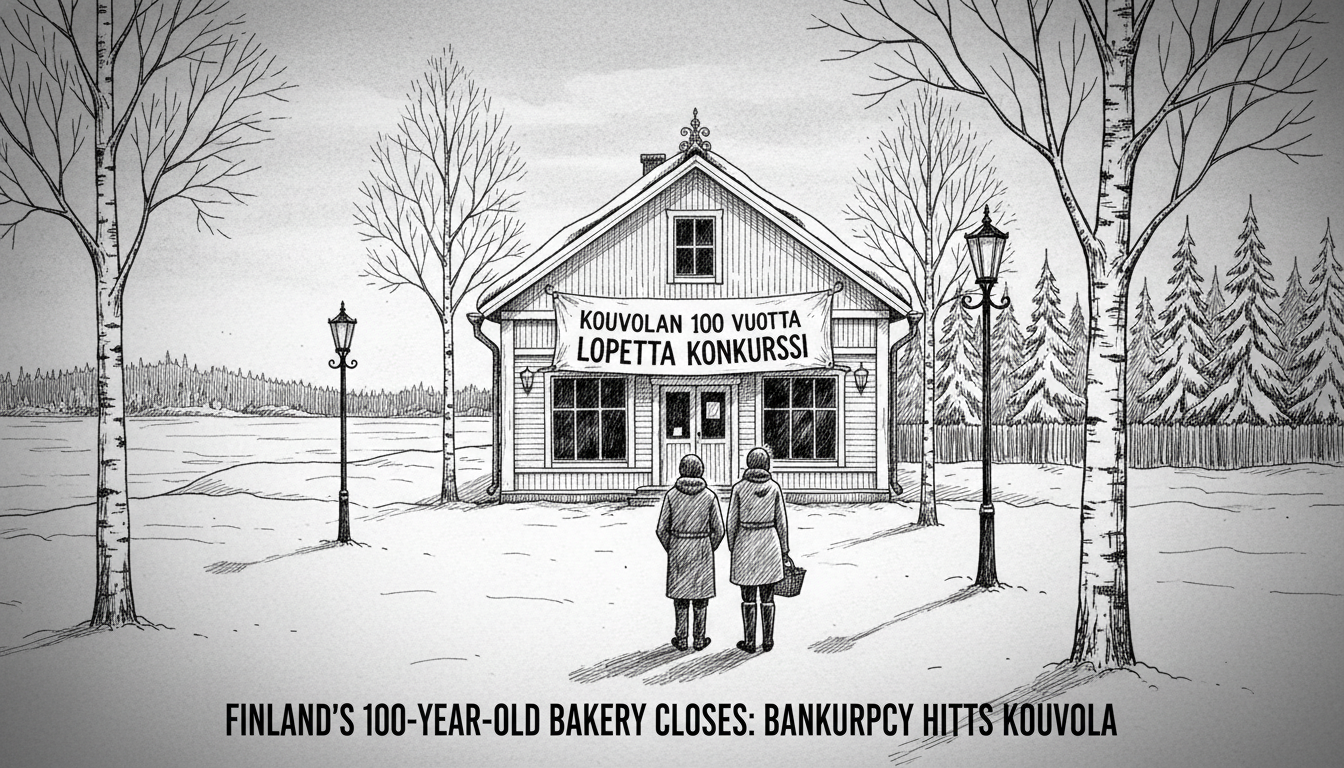
Finland's nearly century-old Leipomo Sinuhe bakery has filed for bankruptcy after a failed restructuring attempt, marking the end of a local institution in the Kouvola region. The company entered corporate restructuring in spring with a plan stretching from May to December, but the process concluded prematurely with a bankruptcy application. This closure highlights the intense pressures facing small and medium-sized food producers across the country, even those with deep historical roots and community ties.
A Restructuring Effort That Fell Short
The bankruptcy filing represents the final chapter in a rescue attempt that could not overcome the bakery's financial difficulties. Corporate restructuring, known as 'yrityssaneeraus' in Finnish law, is a legal process designed to give struggling companies breathing room from creditors while they develop a viable recovery plan. For Leipomo Sinuhe, this period was intended to provide several months to stabilize operations, renegotiate debts, and find a sustainable path forward. The fact that it ended in bankruptcy before the planned December deadline indicates the financial challenges were more severe than the restructuring framework could address. The company's associated café and bakery shop in Kouvola had already closed its doors in August, a clear sign that the business was contracting in a last-ditch effort to survive.
Economic Headwinds for a Traditional Industry
Leipomo Sinuhe's story is not an isolated incident but part of a broader trend affecting Finland's food and beverage sector. The industry is a cornerstone of Finnish manufacturing, but it faces a confluence of pressures. Rising global prices for essential ingredients like wheat, sugar, and fats have squeezed profit margins for years. Energy costs, a significant factor in baking, remain volatile. At the same time, consumer habits are shifting, with competition coming not only from other artisan bakeries but from large industrial producers and supermarket in-store bakeries that can offer lower prices. For a regional bakery, these market forces can be overwhelming. "The failure of a long-standing business like this is always a signal," said a Helsinki-based economist specializing in small businesses, who asked not to be named while commenting on an active bankruptcy. "It speaks to the cumulative effect of cost inflation, competitive pressure, and potentially a narrowing customer base that can support premium, traditional products."
The Human and Community Impact
Beyond the balance sheet, the closure of a nearly 100-year-old business leaves a tangible void in its community. Local bakeries in Finland are more than just retail outlets; they are often repositories of local tradition, employers of local residents, and contributors to the character of a neighborhood or town. The loss of Leipomo Sinuhe means lost jobs, a discontinued source of specific local products, and one less independent business in the regional economy. For regular customers, it represents the disappearance of a familiar routine and a trusted source of quality goods. This human impact is the starkest consequence of business failures in sectors deeply woven into daily life. The bankruptcy process will now focus on liquidating the company's assets to pay creditors, a formal and often final procedure that underscores the end of operational history.
A Challenging Landscape for Finnish SMEs
The case of Leipomo Sinuhe offers a clear example of the vulnerabilities facing small and medium-sized enterprises (SMEs) in Finland today. While the government offers tools like the restructuring process, these are not guarantees of survival. They require a viable core business model that can be returned to profitability. Experts suggest that for traditional food producers, adaptation is key. This can mean investing in new production efficiencies, exploring direct-to-consumer sales channels online, or clearly differentiating products in a crowded market. However, such strategic pivots require capital and managerial bandwidth—resources that are often in shortest supply when a company is already in financial distress. The broader Finnish economy's reliance on exports also means domestic-focused businesses can be affected by national economic moods and disposable income levels.
What Bankruptcy Means in the Finnish System
The bankruptcy filing initiates a legal process governed by Finnish insolvency law. A trustee will be appointed by the court to take control of Leipomo Sinuhe's remaining assets. The trustee's duty is to liquidate these assets in an orderly manner to generate funds for repaying the company's debts to the greatest extent possible. Creditors will file claims, and they are paid in a legally defined order of priority, with secured creditors and employee claims for unpaid wages typically taking precedence. The process is designed to be fair and transparent, winding up the company's affairs definitively. For the owners and employees, it is a difficult and final outcome, closing the door on the possibility of revival under the existing corporate structure.
Looking Ahead for the Food Sector
The disappearance of established brands like Leipomo Sinuhe prompts questions about the future landscape of Finnish food production. There is a persistent demand for high-quality, locally produced food, suggesting a market opportunity exists. Yet, the economic realities of production costs, scale, and competition create a formidable barrier to entry and sustainability. Success stories often involve strong branding, niche specialization, or successful integration into tourism or experience economies. For every traditional bakery that closes, however, the pathway for new artisans becomes slightly more daunting, as they witness the market's challenges. The resilience of Finland's regional food culture will depend on whether consumer support for local producers translates into a willingness to pay prices that ensure those businesses can cover their rising costs and remain viable.
The final closure of Leipomo Sinuhe serves as a somber reminder of the relentless nature of economic change. A business that endured for generations, through wars and recessions, has now succumbed to contemporary pressures. Its story is a specific case study with universal themes: the tension between tradition and the market, the fragility of small business, and the quiet way community landmarks can disappear, leaving behind memories of the scent of fresh bread and a changed high street.