
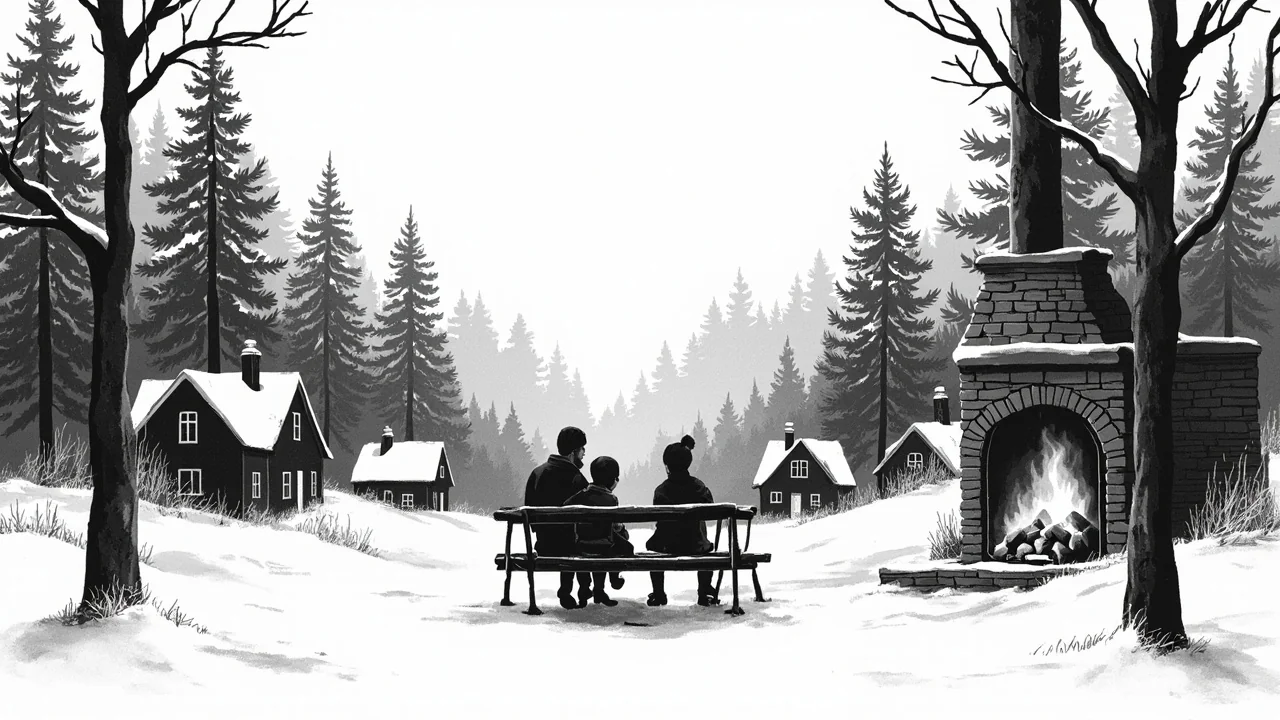
Finland's fireplace safety crisis emerges as sub-zero temperatures grip the nation, with insurance experts issuing a severe warning about improper heating practices. The stark alert from LähiTapiola's Lapland claims manager Janne Koskela highlights a direct link between rapid, intense heating and structural damage that can ignite a house fire. "A sudden and hard heating can cause structural damage to the fireplace or chimney and at worst start a fire," Koskela stated in a public warning, pinpointing a critical seasonal risk for millions of Finnish homes.
With approximately 2.9 million fireplaces and stoves across the country, according to bioenergy association Bioenergia, the scale of potential danger is immense. Of these, 1.55 million are in detached houses and 800,000 in leisure residences like summer cottages. As thermometers plunge, the instinct to build a roaring fire confronts a sobering reality: many modern fireplaces are designed for ambiance, not primary heating, and thousands of lightweight chimneys installed in recent decades carry inherent risks.
The Hidden Dangers in Modern Finnish Homes
Koskela's warning centers on a fundamental misunderstanding of fireplace capabilities. "Different fireplaces are designed to withstand certain temperatures," he explained. "It matters whether you are heating a baking oven or a fireplace. You cannot burn as much wood at once in these." The problem intensifies with decorative fireplaces and lightweight chimneys, which have become popular features in new builds and renovations. These units are often intended for occasional, atmospheric use, not for generating sustained, high heat to warm a cold house.
"Properties today have a lot of different fireplaces and lightweight chimneys that are mainly intended for creating atmosphere," Koskela noted. He urges homeowners to read the manual before lighting any unfamiliar fireplace. The consequences of ignoring this advice are severe. Heating can lead to factory-made lightweight chimneys exceeding their maximum temperature limits. "Lightweight chimneys cause a significant number of fires every year," Koskela said, "because their surface temperature at the points where structures penetrate can rise dangerously high and cause a fire in the insulation of the property's upper floor."
A National Habit Meets New Technology
The cultural attachment to fire in Finland runs deep, serving as both a practical heat source and a core element of domestic comfort, or kodikkuus. However, traditional knowledge of brick ovens and heavy masonry chimneys does not always translate to contemporary installations. The shift toward prefabricated homes and faster construction methods over the past 30 years has seen lightweight, metal chimneys become standard. While efficient and cost-effective, their safety profile differs drastically from the old stone or brick varieties.
This creates a dangerous knowledge gap. A homeowner might stoke a fireplace in a 1990s house with the same vigor their grandparents used in a century-old log house, unaware that the modern chimney system cannot tolerate the same thermal stress. The risk is not merely theoretical. The Finnish rescue services report a consistent annual spike in chimney fires during the coldest winter months, with a significant portion traced to faulty installation, over-firing, or improper maintenance of these modern systems.
Proper Technique and Fuel Are Non-Negotiable
Beyond the appliance itself, Koskela emphasized correct operation. Constant monitoring is essential. "Even if the fireplace is in active use, its temperature should always be monitored during heating," he advised. The fuel must be correct, too. "Wood burns best and cleanest when dry," he stated, adding a strict warning against burning trash. "Nothing else should be put in the hearth besides wood. Burning rubbish can produce unusually hot flue gases, which can also damage the fireplace and pipe or heat the chimney so that it creates a risk of a soot fire."
This point touches on another common, risky practice. Disposing of household waste by burning it in a fireplace or stove can release corrosive chemicals and create extreme, localized heat that cracks liners and ignites accumulated soot. A soot fire, or nokipalo, burns ferociously inside the chimney, often reaching temperatures high enough to compromise the structure and spread to the building's frame.
The Role of Policy and Prevention in a Cold Climate
The situation presents a clear challenge for Finnish authorities and insurance companies. Public information campaigns are crucial, especially targeting owners of leisure homes who may use their properties infrequently and rush to heat them quickly upon arrival. Building codes have evolved, but the existing housing stock contains millions of potentially vulnerable installations. Regular chimney sweeping by certified professionals remains the single most effective preventative measure, yet it is a service some homeowners neglect, particularly for secondary residences.
From a policy perspective, the issue sits at the intersection of energy independence, tradition, and safety. Firewood is a popular, renewable domestic energy source, and its use is encouraged in a broad sense. However, this safety warning underscores the need for quality standards for installations, clearer public guidance, and perhaps even consideration of stricter inspection regimes for properties changing hands. Insurance companies like LähiTapiola have a direct financial interest in mitigation, as fireplace-related claims represent a substantial annual cost.
Looking Ahead: Balancing Comfort and Safety
As Finland endures long winters, the fireplace will remain a central feature of home life. The solution is not to abandon their use but to foster a new culture of informed and respectful operation. Homeowners must see themselves as operators of a complex thermal system, not just keepers of a cozy flame. This means understanding the specific limits of their own equipment, committing to regular maintenance, and resisting the temptation to over-stoke or burn inappropriate materials.
The warning from insurance experts is a timely reminder that Finnish resilience in the face of cold is best paired with knowledge and caution. The difference between a safe, warm home and a disaster can come down to reading a manual, watching a temperature gauge, or scheduling a chimney sweep. In a nation defined by its relationship with winter, ensuring that 2.9 million points of warmth do not become points of danger is a collective responsibility. Will this season's stark warning lead to a lasting change in how Finns light their fires, or will tradition and habit continue to court preventable risk?