
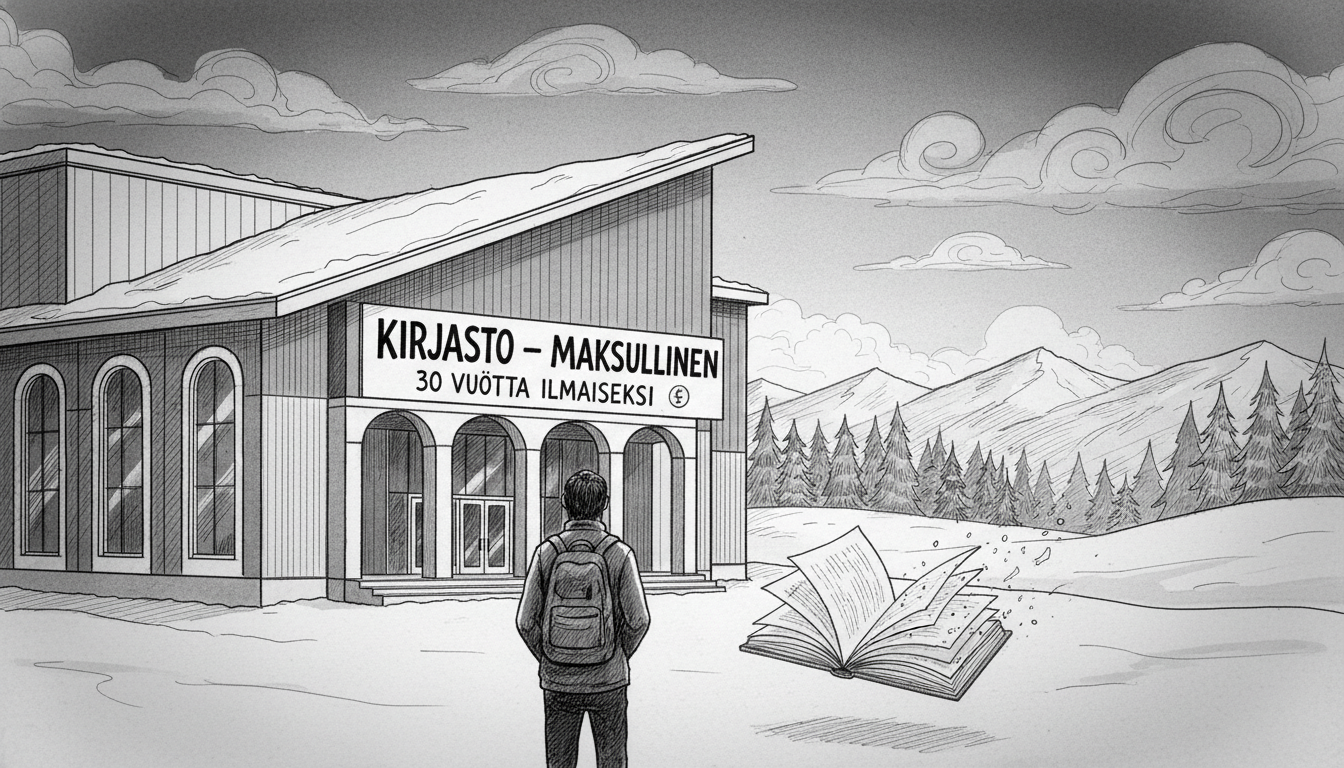
Finland's public libraries have shipped thousands of withdrawn books to the national Varastokirjasto for free storage, but from spring 2025, borrowing these materials will cost libraries money for the first time. This fundamental shift from a free service to a fee-based model is sending shockwaves through the country's revered library network. The change coincides with the repository's physical relocation within Kuopio and its transfer from the Ministry of Education and Culture to the National Archives of Finland.
A Pillar of the System Faces Overhaul
The Varastokirjasto, or National Repository Library, was established in 1989 as a centralized, cost-free archive for libraries nationwide. Its core mission has been to preserve less frequently used items—from novels and academic journals to local histories—freeing up space in municipal libraries while keeping the materials accessible. For over three decades, this system functioned as a collaborative backbone, underpinning Finland's commitment to universal access to information. The impending introduction of loan charges represents a dramatic break from this principle.
Sirpa Janhunen, associated with the Varastokirjasto, oversaw the complex relocation operation that began in early 2025 from Päiväranta to Hiltulanlahti in Kuopio. This move is not merely logistical but symbolic of a deeper administrative transformation. The library's new overseer, the National Archives, brings a different institutional focus centered on preservation and archival management, which likely motivates the new cost-recovery approach.
From Free Archive to Cost Center
The operational details of the new fee structure remain under development, but the mere announcement has sparked immediate concern. Municipal and city libraries, which have long relied on the repository as an extension of their own collections, must now budget for accessing their own deposited materials. This creates a direct financial pressure, especially for smaller libraries with tightly constrained operating funds. A library in a remote municipality may think twice about requesting a stored specialist text if it must pay per transaction.
This policy change forces a reevaluation of collection management strategies across Finland. Libraries may become more selective about what they send to the repository or what they request from it. Some experts fear this could lead to a more fragmented national collection, where access to niche or historical materials becomes dependent on a local library's willingness to pay. The efficient, nationwide resource-sharing model that characterized the Finnish system is at a crossroads.
Expert Warnings and Systemic Implications
Library science professionals and policymakers are analyzing the long-term consequences. The core worry is that the new fees could undermine the equity of library services, a cornerstone of Finnish cultural policy. While larger urban libraries may absorb the costs, smaller and rural institutions could see their patrons' access to the national repository's holdings diminish. This introduces a potential postcode lottery for information access, contradicting Finland's proud tradition of providing uniform public services.
Furthermore, the shift raises philosophical questions about the stewardship of collective knowledge. If storing and sharing withdrawn books becomes a commercial transaction, does it alter the perception of libraries as purely public goods? The Varastokirjasto was never a revenue-generating entity; its value was measured in preserved cultural heritage and supported literacy. The move towards fees aligns it more closely with archival service models but distances it from the open-access ethos of public librarianship.
From an EU perspective, Finland has often been a leader in promoting accessible education and culture. This internal policy shift does not directly conflict with EU directives, but it does mark a notable departure from a previously celebrated model of national cooperation. Observers in other Nordic countries, which have similar repository systems, will be watching closely to see if cost pressures lead to comparable reforms.
Navigating a New Financial Landscape
For library directors across Finland, the coming months will involve difficult calculations. They must balance collection needs against new, unpredictable line items in their budgets. The change may accelerate digitalization efforts, as libraries might prioritize investing in e-collections over paying for physical storage loans. However, this is not a solution for preserving unique physical copies or specialized print materials that form part of the national memory.
The Finnish Library Association and other stakeholder groups are expected to engage in intense discussions with the National Archives and the Ministry of Education and Culture. Their goal will be to shape a fee model that is transparent, equitable, and minimally disruptive. One proposed compromise could be a tiered pricing system based on library size or usage volume, or even a central government subsidy to offset costs for the smallest municipalities.
The Future of Finland's Literary Heritage
The Varastokirjasto's evolution reflects broader tensions between preserving comprehensive public services and managing state finances. As the repository settles into its new home in Hiltulanlahti, its new economic model will be tested. The success or failure of this transition will be measured by whether Finnish citizens, regardless of location, can still easily access the full breadth of materials their library system has collectively saved.
The final impact will become clear only after the fees take effect. Will libraries adapt without reducing service quality, or will this be remembered as the moment Finland's integrated library network began to unravel? The answer depends on how strategically and cooperatively the library community and government navigate this uncharted territory. The principle of free access, once considered inviolable, now requires a vigorous new defense.