
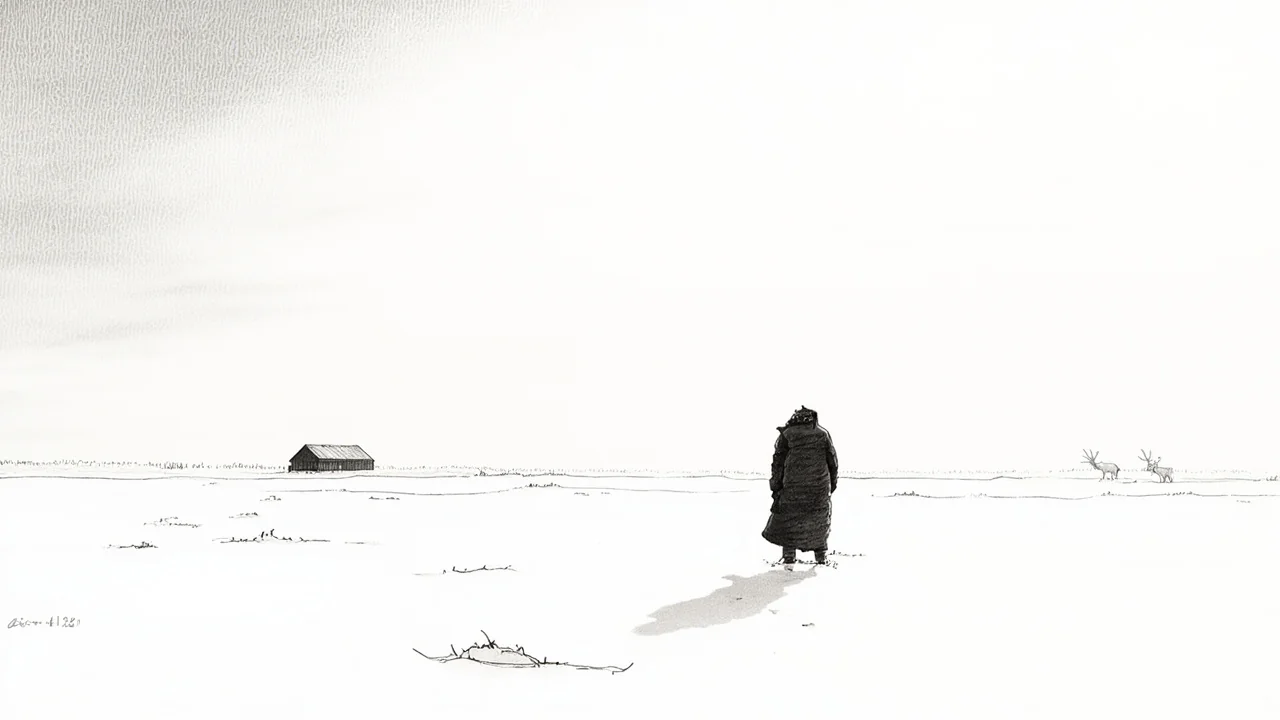
Finland's severe cold snap has tightened its grip across the nation, with the mercury plunging to a bone-chilling -42.8 degrees Celsius in Lapland's Savukoski on Friday. This marks the deepest freeze of the winter so far, disrupting travel, straining infrastructure, and prompting widespread flood warnings from the Finnish Meteorological Institute. National carrier Finnair has been forced to cancel flights to Lapland as the extreme conditions, expected to persist through the weekend, test the country's famed resilience. A slight moderation is forecast for next week, offering a glimmer of relief from the Arctic onslaught.
The record-low temperature recorded in Savukoski, a municipality in northeastern Lapland with a population of just over 800, exemplifies the intensity of this polar air mass. Such extremes are not unheard of in Finnish Lapland, but their persistence and geographical spread are notable. The cold is widespread, affecting "the whole country," as the original Finnish headline stated, with clear skies dominating much of the landscape. Southern and eastern regions are experiencing occasional snow showers, adding another layer of complexity to travel conditions.
Transport and Daily Life Grind to a Halt
Finnair's cancellation of flights to Lapland represents a significant operational disruption during a period that can see tourist traffic for winter sports and Northern Lights viewing. The airline cited safety concerns due to the extreme cold, which can affect aircraft performance and ground handling procedures. Road transport is also severely impacted, with authorities warning drivers of hazardous conditions, potential vehicle failures, and the critical importance of winter survival kits in remote areas. Public transport in cities like Helsinki, while more sheltered, faces delays and increased mechanical strain.
The human impact is immediate and tangible. Elderly residents are advised to limit exposure, schools monitor conditions for outdoor activities, and energy consumption soars as heating systems work overtime. "When temperatures drop this significantly, it's a stark reminder of our climate and the preparedness required," said a representative from the Ministry of Social Affairs and Health, emphasizing public advice. The cold poses serious risks of frostbite and hypothermia within minutes for anyone inadequately prepared.
Widespread Flood Warnings Amid the Freeze
In a counterintuitive twist, the Finnish Meteorological Institute has issued flood warnings for nearly the entire country, excluding only parts of the south. This is directly caused by the severe frost. The phenomenon of "suppojää" or anchor ice—ice that forms on the riverbed or seabed—is the culprit. As this dense ice forms and accumulates underwater, it can obstruct the natural flow of water, causing levels to rise upstream and potentially leading to flooding once a thaw begins. This dual threat of extreme cold and subsequent flood risk keeps emergency services on high alert.
This situation illustrates a complex winter hazard often overlooked outside Nordic regions. The flood risk is not from rain or melting snow but from the physical barrier created by ice within the water body itself. Municipalities in riverine areas are closely monitoring water levels and preparing mitigation measures. The Institute's warning covers a vast area, indicating this is a national-level concern, not an isolated local issue.
Historical Context and Nordic Resilience
Finland's infrastructure and society are famously designed to cope with harsh winters, but each extreme event presents a fresh test. Buildings are heavily insulated, district heating systems are robust, and winter tires are legally mandatory. However, temperatures approaching -43°C push even these adaptations to their limits. Historically, such cold spells have shaped Finnish culture and policy, from the design of public saunas as refuges to the legislative framework for emergency response.
Comparatively, while southern Finland experiences cold, the epicenter remains in Lapland. The region's sparse population and adapted lifestyle mean disruptions, while severe, are managed with local expertise. The real challenge often lies in the southern urban centers, where a greater population and complex infrastructure networks are more vulnerable to sustained freezes. The national grid operator, Fingrid, consistently states the system is designed for peak winter loads, but public appeals for mindful energy use are common during prolonged cold.
The Economic and Political Chill
The economic ramifications are multifaceted. Energy markets see heightened demand and price volatility. Tourism, a key income source for Lapland, suffers immediate losses from cancellations, though some operators specialize in extreme cold experiences. Logistics and supply chains face delays and increased costs. From a political and municipal governance perspective, the event triggers coordinated responses across multiple ministries—Transport and Communications, Social Affairs and Health, and the Interior.
The government's crisis management protocols are quietly activated, focusing on ensuring continuity of essential services, public communication, and support for vulnerable citizens. While not a political crisis, the effectiveness of the response is always a quiet test of administrative competence. The situation also feeds into broader national discussions about energy independence, climate resilience, and the long-term security of infrastructure funding.
A Forecasted Thaw and Lingering Questions
The forecast suggesting "helpotusta" or relief next week is the light at the end of a very frozen tunnel. A moderating air flow is predicted to push temperatures back towards seasonal norms, which, while still cold, are far more manageable. This will ease the strain on infrastructure, allow travel to normalize, and reduce the immediate public health risk. However, the melting process will bring its own challenges, activating the flood warnings currently in place as river ice begins to break up and flow.
This deep freeze serves as an annual reminder of Finland's relationship with its environment. It is a demonstration of both vulnerability and profound resilience. As the climate changes, the character of these extreme winter events is a subject of intense study. Will they become less frequent but more severe? How does a warming Arctic influence polar air outbreaks? The data from this cold snap, including that -42.8°C reading, will become another point in the complex graph of Finland's climatic future. For now, the nation bundles up, checks on neighbors, and waits for the promised, gentle rise of the mercury.