
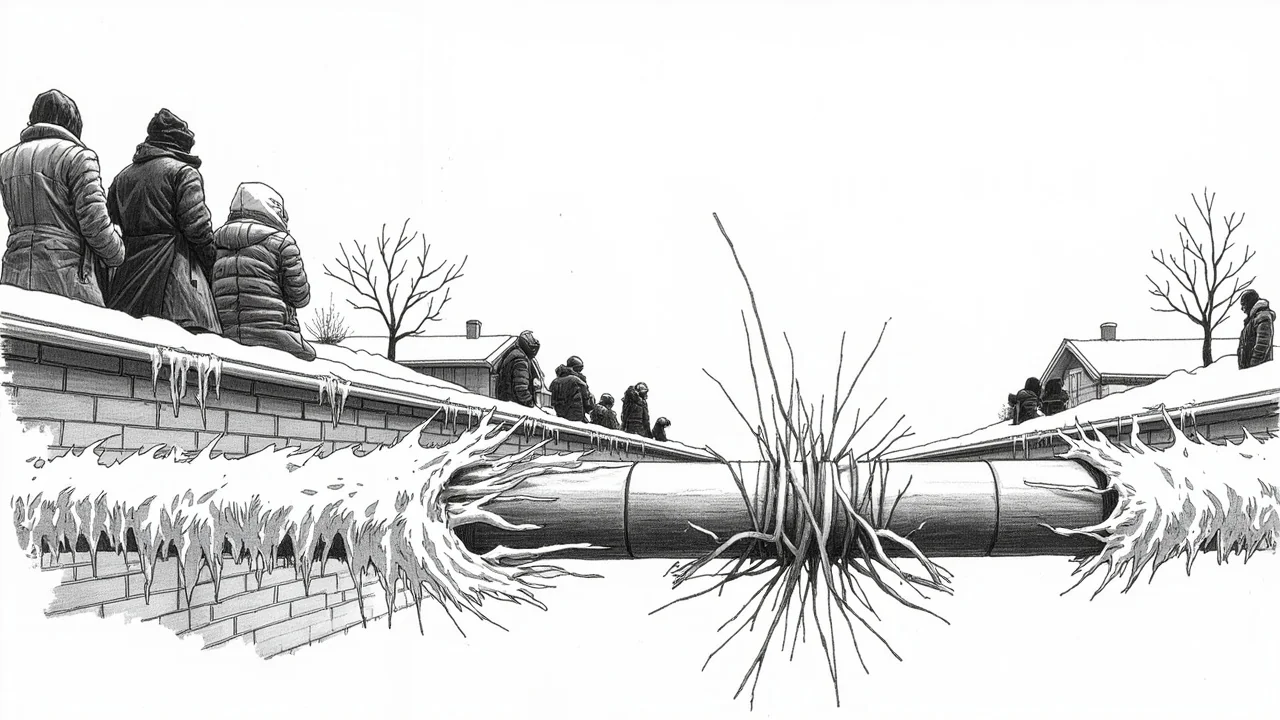
Finland's recent extreme cold snap has triggered a wave of frozen water pipes across the country, prompting urgent warnings from experts against dangerous do-it-yourself thawing attempts. Temperatures plunging below -20 degrees Celsius have exposed vulnerabilities in older buildings, creating a significant risk of burst pipes and subsequent water damage as the weather begins to thaw. The situation highlights a critical intersection of climate, building standards, and public safety that requires immediate and informed action.
A Preventable Problem with Costly Consequences
According to Juha-Ville Mäkinen, a special expert from the LVI-Tekniset Urakoitsijat association, the core issue is often preventable. "Minus 20-degree frosts should not freeze pipes in Finnish houses," Mäkinen stated. He emphasizes that proper construction practices are the first line of defense. "Often in Finland, already in the construction phase, one should ensure that the pipes cannot freeze." This statement points directly to potential shortcomings in insulation, pipe routing, or heating in certain structures, particularly older properties or summer cottages not designed for year-round habitation in such extremes. The problem is not the cold itself, which is a predictable feature of Finnish winters, but rather the failure of some buildings to meet the basic standard required to withstand it.
The immediate danger shifts as temperatures rise. A frozen pipe is a problem; a pipe that bursts upon thawing is a catastrophe. The expanding ice inside a pipe creates immense pressure. When that ice melts, the water previously held back by the blockage surges through the compromised section, leading to flooding. This can cause extensive structural damage, ruin personal belongings, and foster mold growth. The repair costs for plumbing and property damage can run into tens of thousands of euros, a financial blow for any homeowner or housing association.
The High Stakes of Improper Thawing
The instinct for many facing a frozen tap is to apply heat directly. This is where experts issue their sternest warnings. Using open flames from blowtorches, propane heaters, or even candles on frozen pipes is an extreme fire hazard. It can easily ignite surrounding insulation, wooden framing, or other combustible materials within walls and floor cavities. The fire risk is compounded by the fact that these activities often occur in cramped, concealed spaces like crawl spaces or under sinks where fire can spread unseen.
Electrical methods are equally perilous. Wrapping a pipe in heating tape incorrectly or using faulty equipment can lead to short circuits and electrocution. Furthermore, applying intense, localized heat can cause thermal shock. This is where one section of a copper pipe expands rapidly due to heat while the adjacent frozen section remains rigid, creating stress that can crack or split the pipe even before the ice melts. In essence, a well-intentioned but misguided attempt to solve the problem can become the direct cause of a much larger disaster.
Mäkinen's central advice is to address the root cause. "The best way to avoid pipe breaks caused by freezing is to find the cause of the freezing," he advises. This shifts the response from a panicked reaction to a diagnostic process. Is the freeze occurring in an exterior wall lacking insulation? Is there a draft from a crawl space vent directly chilling the pipes? Has a heating cable failed? Identifying the source is the first step toward a safe and permanent solution, rather than a risky temporary fix.
Navigating the Crisis: Safe Steps for Homeowners
For residents currently dealing with a frozen pipe, the protocol is clear. The first step is to locate the main water shut-off valve and ensure everyone in the household knows its location. If a pipe bursts, stopping the flow of water immediately is the only way to minimize damage. Next, gently open the faucet supplied by the frozen pipe. This provides a relief channel for water and steam to escape during thawing, reducing pressure buildup.
Safe thawing begins with gentle, ambient heat. Using a hairdryer on a low setting, while keeping it moving and away from any standing water, is a common recommendation. Towels soaked in warm (not boiling) water and wrapped around the pipe can also slowly transfer heat. It is crucial to start thawing from the faucet end toward the frozen blockage, allowing melting water to flow out. If the frozen section is not accessible or the situation seems complex, the only correct course of action is to call a licensed plumber. The professional fee is invariably lower than the cost of repairing water damage or a house fire.
This episode has broader implications for Finland's building stock and climate resilience. As weather patterns potentially become more volatile, with periods of intense cold, the adequacy of building codes and renovation standards comes into focus. The National Building Code of Finland sets requirements for frost protection, but the effectiveness depends on correct implementation and the aging infrastructure in parts of the housing market. This is not just a private homeowner issue; municipal governments and housing associations managing large portfolios of older buildings must also assess their vulnerability.
A Systemic Issue Requiring Long-Term Solutions
The frozen pipe crisis reveals a systemic gap in public knowledge. Many people simply do not know the correct steps to take or the profound risks of incorrect action. Public information campaigns from rescue services, insurance companies, and trade associations could play a vital role in filling this gap. Simple, clear guidelines distributed during autumn, before the deep frost sets in, could prevent countless emergencies. Insurance companies have a vested interest in this education, as it directly reduces claims for water and fire damage.
From a policy perspective, this connects to Finland's energy efficiency and renovation goals. Programs that incentivize comprehensive building retrofits, including improved insulation and modernized plumbing, address both energy consumption and durability against climate stresses. A pipe that doesn't freeze saves energy needed to heat the space around it and prevents resource-intensive repair work. This aligns with the broader European Union objectives under the Energy Performance of Buildings Directive (EPBD), which pushes for a more resilient and efficient building stock across the bloc.
For now, the immediate task is damage limitation. As the thaw progresses across Finland, rescue services and plumbing professionals are likely to be in high demand. The lesson from this cold snap is stark: the Finnish winter commands respect not just outdoors, but within the very walls of our homes. Preparedness, knowledge, and a willingness to call a professional are the most effective tools against the silent, creeping threat of ice in the pipes. The true test of a building's Finnish suitability is not just how it handles a snowy roof, but how it protects the vital water flowing within it during the darkest, coldest weeks of the year. Will this event spur a wider review of preventive maintenance and public safety information, or will it be forgotten until the next deep freeze?