
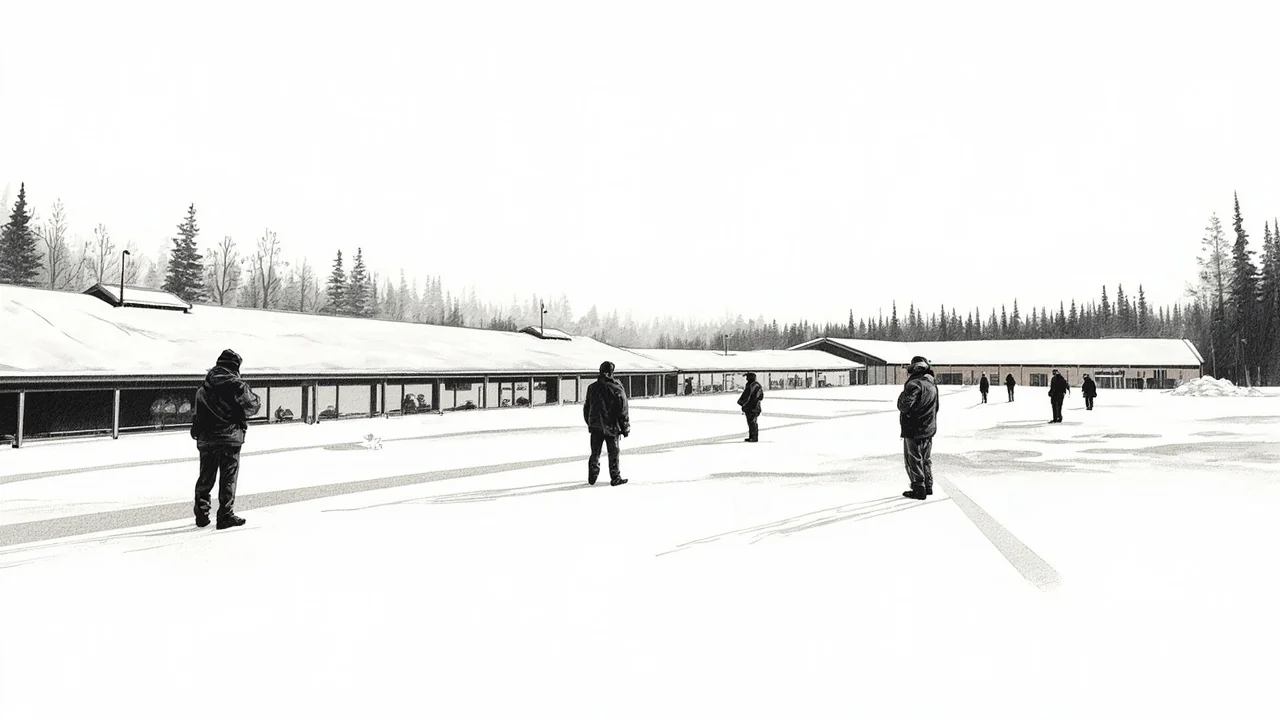
Finland's Kittilä Airport has cancelled all arriving and departing flights for three consecutive days due to severe cold weather. The unprecedented shutdown, affecting Friday through Sunday, was confirmed by airport operator Finavia. National carrier Finnair cancelled all its Sunday services to the Lapland hub, extending a series of weather-related disruptions across the region. This complete grounding highlights the acute vulnerability of critical Arctic infrastructure to extreme meteorological conditions.
Immediate Operational Halt
Finavia's website listed all flights as cancelled for the day, following identical full cancellations on Friday and Saturday. A statement from Finavia's communications department confirmed the airport had no flight operations whatsoever during this period. Airlines made the cancellations independently in response to direct safety concerns posed by the intense cold. Kittilä Airport, a vital gateway for Lapland's lucrative winter tourism sector, fell silent. The airport typically handles dozens of daily flights during the peak winter season, connecting Helsinki and European cities to ski resorts and the Arctic wilderness.
The extreme cold, with temperatures plunging well below -30 degrees Celsius, presents multiple hazards. Aircraft fueling systems can malfunction, and critical fluids may freeze. Ground handling operations become dangerously difficult for personnel. De-icing fluids lose effectiveness, and metal components on aircraft become brittle. Airlines like Finnair prioritize passenger and crew safety above all, leading to pre-emptive cancellations. This decision-making process is standard but underscores the power of nature over even modern aviation technology.
Economic and Social Ripple Effects
The cascading impact of this shutdown stretches across Finnish Lapland. Kittilä serves as the main airport for the renowned ski resort of Levi. Thousands of international tourists, primarily from Europe and Asia, travel through Kittilä during the winter months. Local businesses, from hotels and restaurants to tour operators and equipment rentals, face immediate revenue losses. Travelers are stranded both in Lapland trying to depart and at Helsinki Airport trying to reach their holidays.
Finnish authorities are likely monitoring the situation for broader economic implications. The Ministry of Economic Affairs and Employment has long championed winter tourism as a key regional economic driver. Prolonged transportation disruptions threaten Finland's reputation as a reliable and accessible Arctic destination. Socially, the cancellations disrupt not only tourism but also the travel plans of local residents. For Finns in Lapland, air links are a lifeline for business, healthcare, and family connections to southern Finland.
Infrastructure and Policy Challenges
This event places Finland's transport infrastructure under a harsh spotlight. While the country is renowned for its winter preparedness, such a total airport closure is rare. It raises questions about investment in cold-weather resilience for critical national assets. The Finnish Transport and Communications Agency, Traficom, sets safety regulations and oversees transport systems. Incidents like this often prompt internal reviews and discussions about potential technological or procedural improvements.
From a European Union perspective, this disruption touches on themes of territorial cohesion and climate adaptation. Northern and Arctic regions are specifically highlighted in EU cohesion policy for their unique challenges. Extreme weather events are predicted to increase in frequency and intensity due to climate change. The EU's Green Deal and adaptation strategy push member states to future-proof infrastructure. Finland's experience at Kittilä could inform broader EU discussions on financing and standards for transport resilience in peripheral regions.
Political responses have been measured but attentive. The Ministry of Transport and Communications maintains constant communication with Finavia and airlines during such events. Minister Lulu Ranne, known for her focus on reliable connections, would be briefed regularly. The government's role is primarily one of oversight and support, ensuring coordination between private operators and public authorities. There is no immediate political blame game, as the cause is clearly an act of nature, but accountability for response and recovery matters.
Historical Context and Future Preparedness
Finland has managed harsh winters for centuries, but modern concentrated travel patterns create new vulnerabilities. Past extreme cold snaps have caused delays, but a three-day full closure of a major regional airport is a significant event. It will undoubtedly be analyzed by Finavia's crisis management teams. Comparisons might be drawn to similar challenges at other Arctic airports in Norway, Sweden, or Canada. Finland often looks to Nordic neighbors for best practices in civil preparedness and infrastructure design.
The future points toward a need for enhanced adaptation strategies. This could include investing in even more advanced ground heating systems, developing more cold-resistant materials for airport equipment, and refining passenger care protocols during extended disruptions. Climate models suggest the Arctic is warming faster than the global average, but this does not eliminate extreme cold events; it may even increase volatility. Therefore, preparedness for deep cold remains essential for Arctic nations.
For now, travelers and businesses wait for a break in the weather. Airlines will work to clear the backlog of passengers once operations resume, a process that could take days. The incident at Kittilä is a stark reminder that in the age of global connectivity, local weather retains the power to isolate. It tests the resilience built into Scandinavian societies and their famed ability to cope with nature's extremes. As temperatures eventually moderate, the deeper questions about long-term infrastructure investment and climate adaptation will remain for policymakers in Helsinki and Brussels to address.