
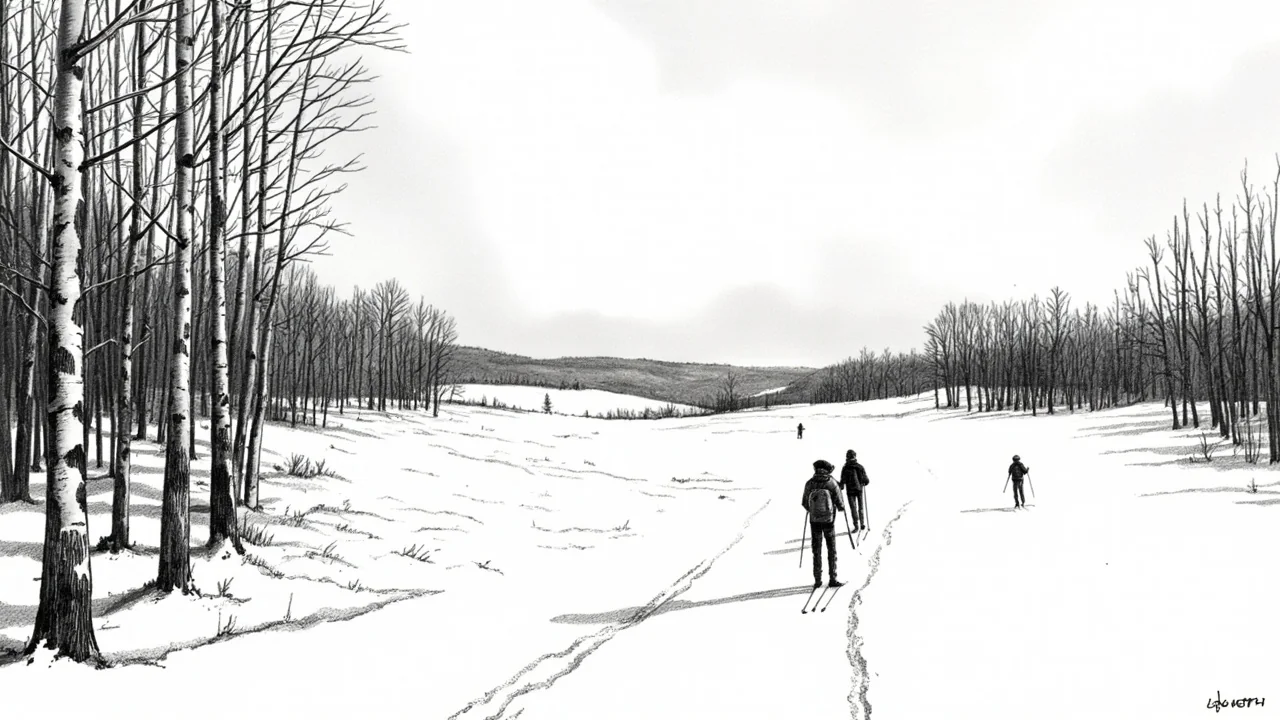
Finland's Laajavuori ski trail in Jyväskylä will become free for all users starting Saturday, January 10, following a transfer of operational responsibility from a private company to the city's sports services department. The approximately two-kilometer early-season snow track, a critical resource during Finland's low-snowfall autumn, has seen exceptionally high demand since its opening this winter. This policy shift from a paid service to a public amenity reflects a broader municipal commitment to winter sports accessibility in Central Finland.
Jyväslumi Oy, a private company, had been responsible for creating and maintaining the early-season track during the initial winter period. The company's contract covered the technically demanding process of establishing a skiable surface before sufficient natural snowfall. City officials confirmed the transition to municipal management will not affect the trail's quality or availability. "Our goal is to ensure reliable, free access to winter sports facilities for all residents," a Jyväskylä city sports services representative said in a statement.
A Response to High Demand and Challenging Conditions
The decision to make the trail free comes after a particularly challenging start to the winter sports season across southern and central Finland. Meteorological data shows significantly below-average snowfall for November and December in the Jyväskylä region. This scarcity of natural snow concentrated cross-country skiers onto the few manufactured early-season tracks available, putting the Laajavuori trail under intense pressure. The two-kilometer loop served as a vital training ground for competitive athletes and a recreational outlet for hundreds of local enthusiasts frustrated by the brown landscape elsewhere.
"When nature doesn't provide snow, these prepared trails are not a luxury; they are a necessity for maintaining physical activity and mental well-being during the dark season," noted a local skiing coach familiar with the facility. The high usage demonstrated a clear public need, which city policymakers cited as a key factor in accelerating the responsibility transfer. The move aligns with Finland's cultural emphasis on "jokamiehenoikeus," or everyman's right, which promotes public access to nature, though traditionally this applies to natural landscapes rather than prepared sporting infrastructure.
Municipal Strategy for Winter City Living
Taking over the Laajavuori trail operation fits within Jyväskylä's wider strategic framework to promote itself as an active, year-round city. Municipal budgets for sports and outdoor services have increasingly emphasized winter maintenance, including street clearing, ice rink upkeep, and ski trail grooming. By absorbing the cost of the early-season track, the city is effectively subsidizing a public health and tourism initiative. Free access lowers the barrier to entry for families and individuals, encouraging broader participation in a sport deeply embedded in national identity.
The financial model for such trails is complex. While users no longer pay a fee, the costs for snowmaking equipment, energy, water, and labor are now borne entirely by the municipal budget. This requires a reallocation of funds from other areas or an increase in overall expenditure. City officials have not yet detailed the full annual cost of maintaining the trail but argue the social and health benefits outweigh the expense. The trail also serves as an economic driver for local sports shops, rental services, and cafes near the Laajavuori sports complex.
Implications for Public-Private Partnerships in Sports
The Jyväskylä case presents a notable example of a municipality reclaiming control of a sports facility from a private operator. Jyväslumi Oy's original contract represented a public-private partnership model common in Finnish municipalities seeking specialized operational expertise without long-term capital investment. The early termination or transfer of this contract suggests the city prioritized guaranteed public access over potential revenue generation from user fees.
This decision may influence similar negotiations in other Finnish cities managing outdoor sports facilities. The balance between cost-recovery and free public service is a persistent debate in municipal councils nationwide. "Many cities are watching how this model works in Jyväskylä," said an analyst from the Finnish Sports Federation. "If it successfully increases participation without causing budgetary strain, it could become a template for others, especially for essential early-season infrastructure."
The Broader Context of Snow Reliability
Climate change forms the critical backdrop to this local policy decision. Warmer autumns and winters with intermittent precipitation have made natural snow cover less reliable across southern Finland. This volatility increases the importance of snowmaking technology and prepared tracks for the continuity of winter sports seasons. Municipalities are now forced to factor climate adaptation into their sports infrastructure planning. Investing in free-to-access, artificial snow trails is one adaptation strategy, ensuring a baseline level of activity regardless of weather fluctuations.
For competitive sports, these reliable trails are indispensable. Ski clubs and the national sports institute in Jyväskylä rely on them for training schedules. Making them free removes a potential financial hurdle for aspiring athletes. For the public, it preserves the cultural ritual of winter skiing, a social and familial activity that defines the Finnish winter experience. The policy, therefore, defends a cultural practice against environmental and economic pressures.
Looking Ahead to the Full Winter Season
With the transfer effective January 10, the city's technical team will immediately assume grooming and maintenance duties. The focus will shift from establishing the track to preserving it through the remainder of the winter, integrating it with the broader network of natural snow trails on Laajavuori hill as more snow accumulates. City officials have pledged to maintain the same standard of grooming that users experienced under the private operator.
The success of the initiative will be measured by usage statistics, public feedback, and a post-season budgetary review. Key questions remain about long-term sustainability. Will the city need to limit hours or invest in more efficient snowmaking equipment to control costs? Could corporate sponsorship be introduced to offset expenses without reinstating user fees? The Jyväskylä experiment makes the city a live case study in the economics of public winter sports provision.
Ultimately, the decision to provide free access to the Laajavuori early-snow trail is a significant statement of values. It prioritizes communal health, cultural continuity, and equitable access over commercial considerations. In a country where cross-country skiing is akin to a national language of movement, ensuring its practice is not limited by income or a warm autumn is a powerful commitment. As Finland grapples with changing winters, such municipal investments in reliable, accessible snow may become the new foundation for the nation's winter identity.