
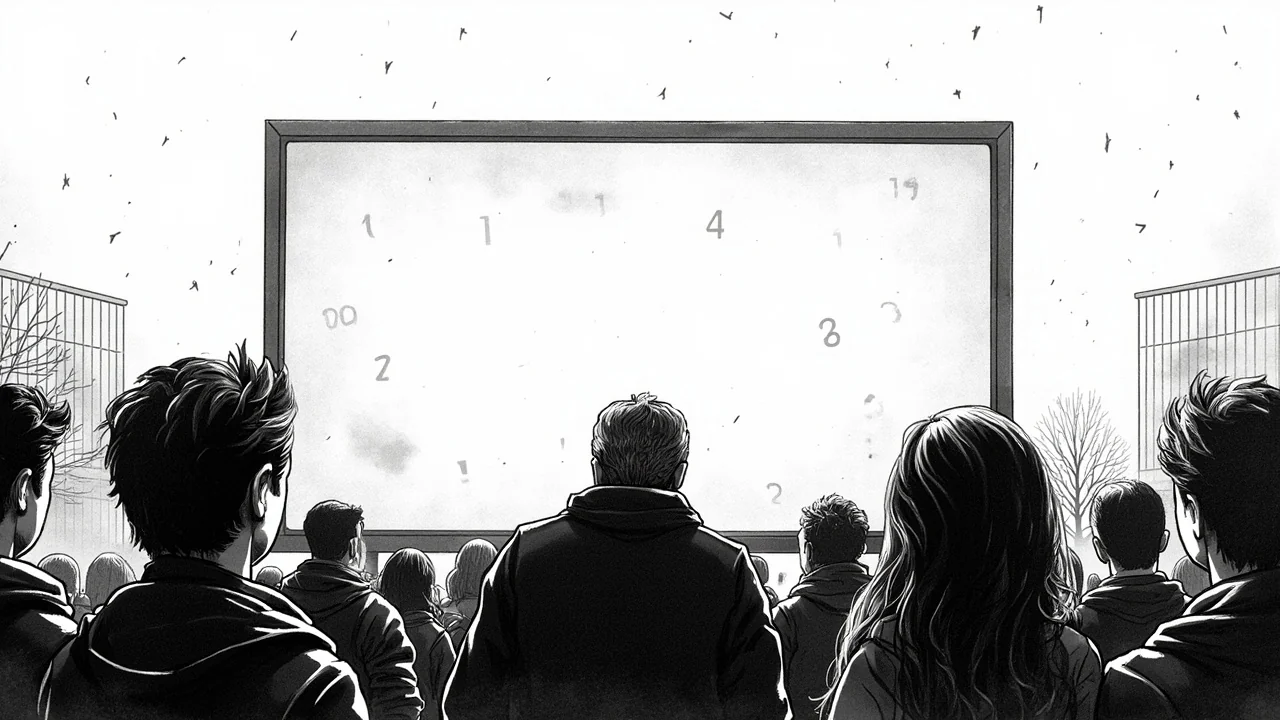
Finland's national lottery, watched by an estimated 5 million viewers, broadcast incorrect results during a prime-time drawing. The technical failure during Saturday night's live 'Lotto' show displayed wrong numbers for the Joker and Mill games, forcing the television broadcast of their draws to be halted. The main Lotto draw showed the correct row but displayed an incorrect 'plus' number twice on screen, sparking widespread confusion and shaking public confidence in the 55-year-old institution.
Veikkaus, the state-owned gaming monopoly, was forced into immediate damage control. “There was a bit of a mess. It probably wasn't the best viewing experience for anyone. There were technical disturbances in the graphics. That is the reason that can be told at this point,” said Veikkaus Communications Manager Minna Sundholm in a statement to media. The glitch occurred despite the draws having already taken place correctly in a secure, policed environment before the broadcast began.
A Breakdown in the Broadcast Chain
The core issue, according to Veikkaus, was isolated to the graphics generation system for the live television presentation. The actual draws for Lotto, Joker, and Eurojackpot are conducted under the supervision of the National Police Board's official inspectors. For Lotto, the main numbers are drawn using physical ball machines, while the 'plus' number is generated by computer. Joker and Mill results are produced entirely via certified computer draws.
These results are finalized after the sales period closes at 9:45 PM. The television graphics are then created based on the official, validated results. The Saturday night failure was a breakdown in this final presentation layer. “The results are always confirmed by the official inspectors of the Police Board,” Sundholm stressed, attempting to separate the secure draw process from the flawed broadcast. The studio team is now investigating the precise technical cause.
Public Trust in a State Monopoly
This incident strikes at the heart of public trust. Veikkaus operates as a state-sanctioned monopoly with a dual mandate: to generate revenue for Finnish society—funding sports, culture, and health—while curbing problem gambling. Its legitimacy rests entirely on perceived integrity and absolute transparency. A televised glitch during its most public weekly ritual undermines that foundation.
“It may raise questions among viewers about how the draws are actually carried out,” Sundholm acknowledged. For many Finns, the Saturday night Lotto broadcast is a routine. The visual confirmation of the draw is a key part of the social contract between the player and the monopoly. When the screen shows wrong numbers, that contract feels violated, even if the underlying data is correct.
Veikkaus moved to assure players that their games and potential winnings were secure. “There is no fear that the correct rows are in danger; the correct rows appear on Veikkaus's website,” Sundholm stated. The company's official online channels and physical ticket terminals displayed the correct results throughout the ordeal. The apology was swift: “We of course apologize on behalf of Veikkaus. It was a truly sad lottery broadcast for all viewers, for sure.”
Expert Analysis: When Presentation Undermines Process
From a technology and process standpoint, this incident is a classic case study in how a minor failure in a non-critical system can create a major crisis of confidence. “The integrity of the draw is protected by multiple layers of physical and digital security, overseen by independent authorities. That system appears to have worked,” notes a Helsinki-based IT security consultant familiar with gaming systems, who spoke on condition of anonymity. “The failure was in the ‘show’—the broadcast graphics. But for the public, the show is the draw. This disconnect is the real problem.”
The expert points out that modern lottery draws are hybrid systems. “Physical ball machines provide tangible, slow-reveal drama for television. Computerized elements offer efficiency and complexity for side games like Joker. The validation by police inspectors is the final, crucial seal. Veikkaus has all these components. Their challenge now is to communicate this separation of core process from presentation more effectively to a skeptical public.”
This glitch also highlights the challenges of legacy broadcast systems. While Veikkaus has heavily invested in digital platforms and online play, the television broadcast remains a flagship product for a significant demographic. The technical stack for live graphics integration can be complex and, as seen, a single point of failure.
The Road to Restoration
Veikkaus's immediate task is forensic: a technical audit of the broadcast graphics pipeline to ensure the error cannot be repeated. But the longer-term task is reputational. The company must reinforce the message that the draw's integrity and the validation process are walled off from the television production suite. Some industry observers suggest increased transparency, such as live streaming from the secured draw room or clearer on-screen disclaimers about the graphic's role.
The incident serves as a stark reminder for all state-run monopolies and critical national IT systems. Public trust is fragile. A single televised error, even in a non-critical presentation layer, can trigger disproportionate doubt about the entire, otherwise sound, system. For Finns, Lotto is more than a game; it's a cultural institution. Its credibility must be beyond reproach.
Will Veikkaus's apologies and explanations be enough to restore full confidence, or has this ‘truly sad lottery broadcast’ permanently altered how Finns view the Saturday night ritual? The coming weeks' viewing figures and social media discourse will provide the first answer. The company's next broadcast will be under unprecedented scrutiny, not for the winning numbers, but for flawless execution.