
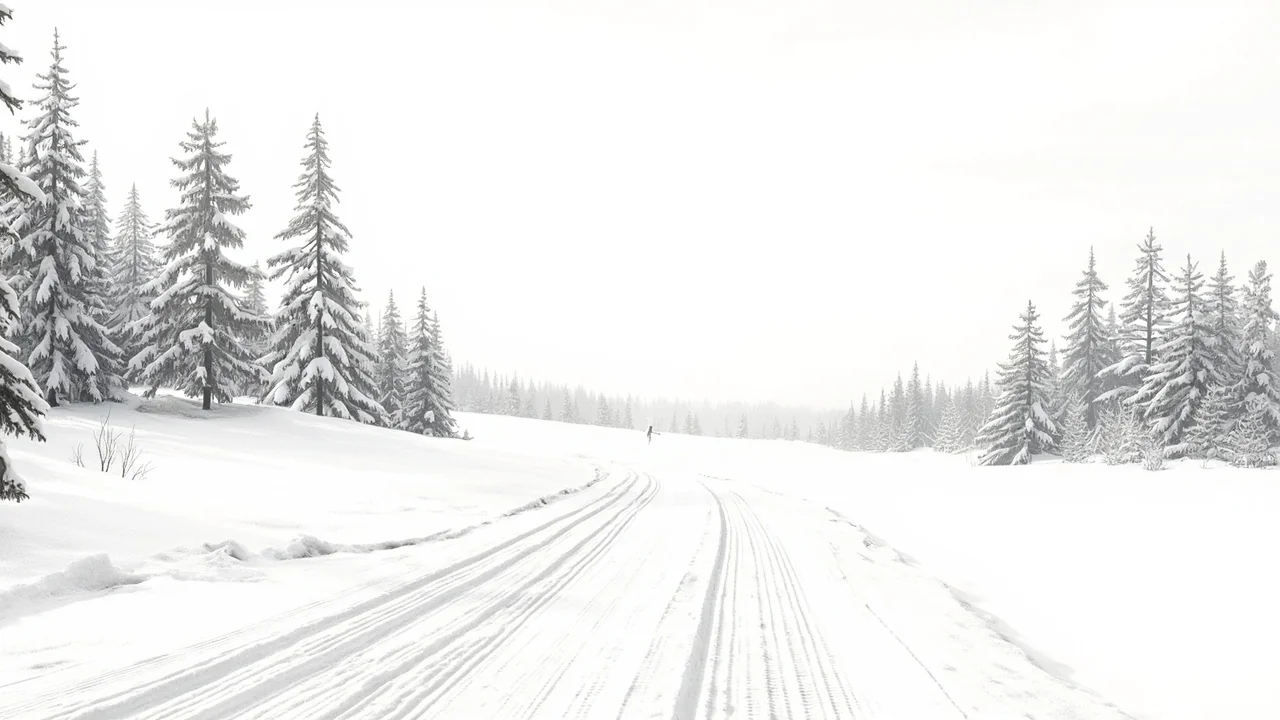
Finland's winter sports season faces a frustrating delay in the city of Mikkeli, where extensive trail preparation is underway but only a single artificial snow track is currently skiable. Despite recent snowfall, the light, powdery 'pakkashöttö' is failing to bond into a durable base, leaving the city's popular recreation areas like Kalevankangas and Urpola inaccessible for classic or skate skiing. The situation highlights the delicate balance Finnish municipalities must strike between early-season enthusiasm and sustainable trail management in an era of increasingly unpredictable winters.
Mikkeli's sports services department began intensive trail preparation work last Thursday, focusing efforts on the Kalevankangas area. Work has continued through the weekend, with crews preparing trails in Urpola, Peitsari, Rantakylä, Urssi, and Otava. On their social media channels, the department reported that several trails have now been rolled twice. However, the results are insufficient. "On the first rollings, a few centimeters have remained on the trail, and when it gets a bit bumpy, the ground is visible," officials stated on the Liikkuva Mikkeli Instagram and Facebook accounts. They explicitly warned that the prepared trails cannot yet support skiing, as skis can penetrate through the snow layer, especially on uphill sections.
The Challenge of 'Pakkashöttö'
The core issue is snow quality. While Sunday brought snowfall to Mikkeli, it was not the dense, moist snow ideal for trail packing. The term 'pakkashöttö' refers to very light, dry snow that falls in cold conditions. This snow lacks cohesion; when rolled by grooming machines, it does not compact into a solid, icy base but instead remains loose and granular. It is easily displaced by skis or wind, quickly revealing the ground beneath. This creates a patchy, unreliable surface that is unsafe and damaging to equipment. For trail managers, this type of snowfall presents a dilemma: expend fuel, labor, and machine hours on preparation that may wash away, or wait for better conditions and disappoint eager citizens. In Mikkeli, the choice was to begin work, signaling activity and hope, while being transparent about the poor outcomes.
The Lone Artificial Snow Oasis
The sole exception to the city's ski trail woes is the 'tykkilumilatu' at Kalevankangas. This trail, made from machine-made snow, provides a guaranteed, durable surface. The use of snow cannons, which produce ice crystals that are denser and wetter than natural snow, creates a reliable base that can withstand moderate thawing and heavy use. This artificial snow corridor has become a vital lifeline for local ski clubs, fitness enthusiasts, and families desperate for winter activity. Its existence underscores a growing trend across Southern Finland: municipalities are increasingly investing in snowmaking equipment to ensure a baseline season length. However, these systems are energy and water-intensive, expensive to run, and typically cover only a small fraction of a municipality's total trail network. For most recreational skiers in Mikkeli, the vast natural trail network remains tantalizingly close yet out of reach.
Economic and Social Ripple Effects
The delayed trail opening has consequences beyond disappointed skiers. The weekend saw a slight easing of the cold, allowing the Kalevankangas trailside café to open its doors on Saturday and Sunday. These small businesses, often run by sports associations or entrepreneurs, depend entirely on the ski season. Their winter revenue supports year-round operations and local employment. A shortened or inconsistent season directly impacts their viability. Furthermore, winter tourism, a significant economic driver in Finnish Lakeland regions like Mikkeli, suffers. Weekend visitors from Helsinki or Tampere are less likely to travel if only one short artificial loop is available, opting instead for destinations with more secure conditions. The social function of skiing as a communal, health-promoting activity is also disrupted. For many Finns, skiing is a primary form of winter exercise and mental well-being; its absence is keenly felt.
A Broader Climate Context
Mikkeli's struggle is not an isolated incident but part of a broader pattern affecting winter sports across the Nordic region. Milder autumns and early winters are becoming more common, pushing back the reliable start of the snow season. Rain-on-snow events, which destroy trail bases, are increasing in frequency. This forces municipal sports departments to become more reactive and adaptive, often at a higher cost. The traditional Finnish winter, once a predictable period of continuous snow cover from December to March, can no longer be taken for granted. This reality is forcing a strategic rethink. Some municipalities are diversifying their winter offerings with more lit trails for walking and fat-biking, which require less snow cover. Others are formalizing agreements to use snow from parking lots and streets to bolster trail bases, a practice known as 'lumen siirto'.
The Waiting Game and Public Communication
For now, Mikkeli's sports services are in a holding pattern. They have committed to updating citizens through the Fluent Outdoors online service, providing real-time trail condition reports. The next critical steps are snowing the tunnels at Kalevankangas and Otava, which will be done in the coming days, and waiting for the right kind of snowfall. The ideal scenario is a sustained period of temperatures near freezing with steady, wet snow. This snow packs perfectly under the rollers of grooming machines, creating the iconic, fast Finnish ski track. Until then, the department's communication is key—managing expectations, explaining the technical challenges, and celebrating small victories like the open café. Their transparent social media updates, explaining why work is done but trails remain closed, help build public understanding rather than frustration.
The Future of Finnish Winter Trails
The situation in Mikkeli serves as a microcosm of the adaptation required for Finland's cherished winter culture. Long-term strategies may include more targeted artificial snow corridors linking key areas, improved snow storage techniques from previous winters, and even the design of trails that better retain early-season snow. The role of volunteers from local ski clubs in trail maintenance may also expand. The fundamental question is how to preserve the extensive, free-access trail network that is a cornerstone of Finnish equality and well-being in the face of climate pressure. The answer likely lies in a mix of technology, community effort, and a shift in public expectations—accepting that the winter season may be more variable, but no less valuable. As Mikkeli's teams watch the sky and ready their machines, they are doing more than preparing trails; they are navigating the front lines of a changing climate's impact on a national pastime. The wait for winter's true arrival continues, a test of patience for skiers and a logistical challenge for the city, all under the grey skies of a Finnish December.