
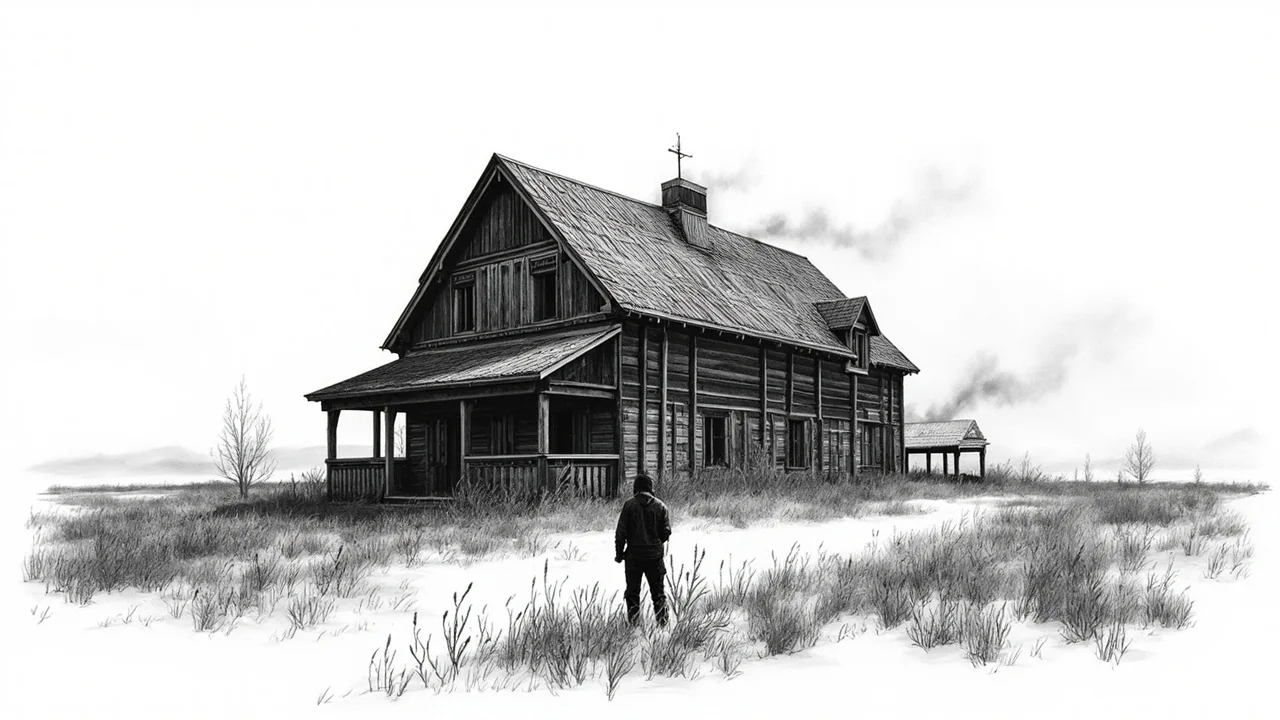
Finland's oldest continuously inhabited house, a 200-year-old timber building in Oulu, survived a significant fire on Sunday with no injuries to its residents. The historic two-story home on Merikatu 7 in the Kuusiluoto district caught fire around 5 p.m., prompting a major response from the North Ostrobothnia Rescue Department. Seven rescue units rushed to the scene, where smoke was billowing from the base of the chimney and an upstairs window. The residents had already been alerted by the smell of smoke and their fire alarm, escaping unharmed before firefighters arrived.
This event highlights the delicate balance between preserving Finland's tangible wooden architectural heritage and ensuring modern safety standards. The house, a log-built detached home spanning approximately 200 square meters, represents a living piece of national history. Its survival is not just a property issue but a cultural one, touching on preservation laws, building codes, and the collective memory embedded in Finland's urban landscapes.
A Dramatic Sunday Evening Response
Päivystävä palomestari (Duty Fire Chief) Antti-Juhani Ervasti described the scene upon arrival. Firefighters observed smoke emanating from the chimney's base and from around an upstairs gable window, indicating a well-established fire within the structure's cavities. The rescue operation was complex due to the building's age and construction. To access and extinguish the hidden flames, crews were forced to dismantle structures from the inside, specifically targeting upstairs utility rooms. They also used a platform lift vehicle to assist in removing sections of the water roof. The kitchen ceiling, located directly below the utility rooms, also required dismantling. The fire's origin was traced to the area surrounding the house's chimney, a common danger point in older wooden buildings.
Despite the invasive firefighting tactics, the outcome was remarkably positive. Ervasti confirmed that the residents could likely remain in the home, stating the building was largely left in a habitable condition. This is a testament to both the robust original construction and the precise, controlled efforts of the rescue team, who prioritized saving the historic fabric while eliminating the threat. Following the extinguishing operation, fire watch duties were handed over to the property owner, a standard procedure ensuring no smoldering embers reignite.
The Weight of History in Wood and Log
The Merikatu 7 house is more than a private residence; it is a direct link to Oulu's past. Built around 1824, it has witnessed the transformation of the city from a bustling tar and shipbuilding hub of the Swedish kingdom to a modern Finnish technology center. Its continued use as a dwelling is rare. Many buildings of similar age exist as museums or protected monuments, frozen in time. This house has remained a living, breathing home, adapting to centuries of change while maintaining its core character. Its log construction is typical of pre-industrial Finnish building techniques, relying on skilled craftsmanship and local materials.
Finland has a strong tradition of wooden architecture, but urban fires have historically been devastating. Oulu itself was largely rebuilt in wood after a catastrophic fire in 1822. The survival of this pre-1822 fire structure adds layers of historical significance. Its preservation falls under Finland's strict building heritage laws (Rakennusperintölaki), which aim to protect culturally valuable buildings. Owners of such properties often navigate a complex relationship with authorities, balancing preservation mandates with the practical and financial challenges of maintaining centuries-old structures to modern safety codes.
Analysis: Preservation, Safety, and the Modern Resident
This fire incident opens a necessary discussion on the safety of historic homes. While charming, they present unique risks. Old electrical systems, aged chimney flues, and the inherent combustibility of timber require vigilant maintenance and potentially costly upgrades. The fact that the residents were alerted by a working smoke detector is a crucial detail. It underscores a simple, life-saving modern intervention in a historic setting. Finland's rescue services regularly emphasize the importance of functional smoke alarms, a message that applies doubly to older housing stock.
From a policy perspective, this event may prompt local heritage and building officials in Oulu and similar cities with historic wooden centers to review outreach and support for owners of listed buildings. Are there adequate grant programs or advisory services to help install discreet, modern fire suppression systems or upgrade wiring without compromising historic integrity? The Finnish Heritage Agency (Museovirasto) provides guidelines, but implementation is a local challenge. The successful containment of the fire also speaks to the training of Finnish rescue departments in handling culturally sensitive emergencies, where the goal is to save both life and heritage.
A Look Ahead for a National Treasure
The immediate future for the house on Merikatu 7 involves repairs and restoration. The owner will now work with craftsmen skilled in traditional techniques to repair the damaged interior structures and roof. This process will be slow and meticulous, aiming to use matching materials and methods to preserve the building's authenticity. It will likely involve dialogue with the City of Oulu's building supervision and cultural heritage authorities to ensure all work meets both safety and preservation standards.
This fire, while traumatic for the residents, has ironically reinforced the building's legendary status. It survived. Its story now includes a dramatic chapter in the 21st century, where fast-acting residents and professional firefighters teamed up to defend a piece of the past. It serves as a powerful reminder that heritage is not just about maintaining facades but about sustaining the ongoing life of historic spaces. The continued whisper of daily life within its walls is the greatest preservation success of all.
As Oulu evolves, the quiet resilience of its oldest home poses a question for all Finnish cities: How do we actively protect the living history in our midst, not just as artifacts behind glass, but as functional parts of our communities? The answer requires ongoing investment, expert knowledge, and a community-wide commitment to valuing the stories told by wood and stone.