
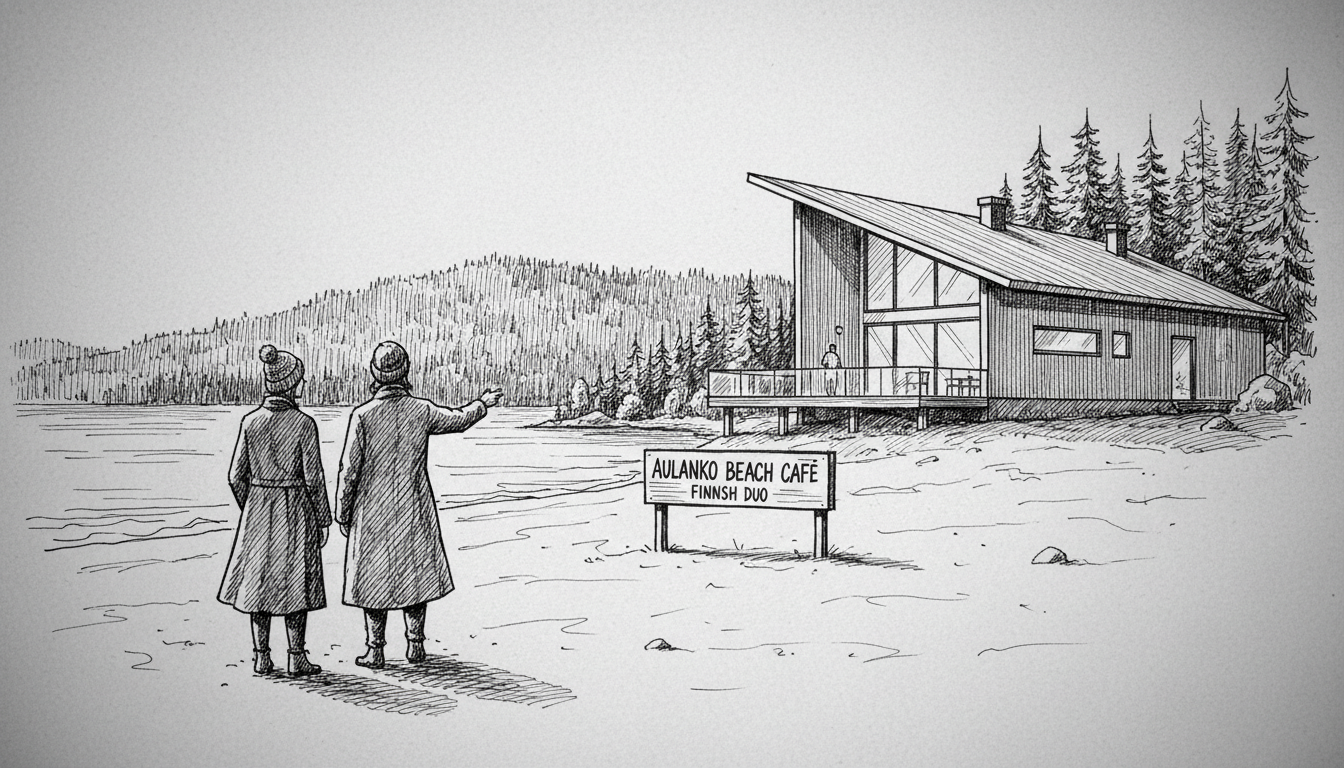
Two Finnish entrepreneurs are launching their second municipal beach cafe operation, aiming to serve the seasonal surge at Hämeenlinna's iconic Aulanko resort next summer. Timo Ahtikari from Hyvinkää and Niko Pietilä from Nurmijärvi, who already run the cafe at Sveitsi swimming pool, will take over the Sääksi beach cafe in Aulanko. This move highlights the small-scale entrepreneurship that fuels Finland's vibrant outdoor recreation sector, where public spaces like beaches become community hubs. For visitors, it means enhanced services at a key tourist destination, but for the local economy, it represents a vote of confidence in post-pandemic recovery.
From Sveitsi to Sääksi: A Strategic Move
Timo Ahtikari and Niko Pietilä's expansion from the Sveitsi swimming pool cafe to the Sääksi beach cafe is a classic example of grassroots business growth in Finland. Their existing venture at Sveitsi, located in the Helsinki region, has reportedly built a loyal customer base, which local authorities in Hämeenlinna likely considered when awarding the new contract. Municipalities often select operators for public amenities based on proven track records, ensuring reliability for residents and tourists alike. This shift to Aulanko, a area renowned for its forested hills and lake views, positions the duo in a higher-traffic tourism zone. Summer months in Aulanko can see visitor numbers spike, with families and international tourists flocking to its beaches and hiking trails.
The decision reflects a broader trend in Finnish regional development, where small businesses are encouraged to operate in public spaces to boost local vitality. Unlike larger chains, these independent cafes often incorporate local products and personalized service, adding to the authentic experience. Ahtikari and Pietilä have not disclosed specific plans for the Sääksi cafe menu or hours, but based on their Sveitsi model, visitors can expect standard Finnish cafe fare like pulla pastries, coffee, and ice cream. The transition will involve preparations over the winter, with a full launch scheduled for the 2025 summer season.
Aulanko's Allure: Tourism and Tradition
Aulanko, part of Hämeenlinna municipality, is one of Finland's most visited natural attractions, drawing over 200,000 annual visitors pre-pandemic according to regional tourism estimates. Its significance stems from a blend of natural beauty and historical heritage, including Aulanko Park designed in the early 20th century. The Sääksi beach cafe sits along the shoreline of Lake Vanajavesi, offering panoramic views that complement the outdoor Finnish lifestyle. In a country where public access to nature is cherished under everyman's rights, such cafes provide essential refreshment points without compromising the environment.
Finnish government policies have long supported outdoor recreation, with funding for maintaining municipal beaches and parks. This aligns with EU directives on sustainable tourism, which Finland implements through local initiatives. The cafe operation, while a private business, contributes to this ecosystem by encouraging longer stays and spending in the region. Hämeenlinna's tourism board has historically promoted Aulanko as a year-round destination, but summer remains peak season, making the cafe's success critical. Analysts note that well-run amenities can increase visitor satisfaction and repeat tourism, which is vital for regions outside major cities like Helsinki.
Economic Ripples in Hämeenlinna
The entry of Ahtikari and Pietilä into Hämeenlinna's tourism scene may have subtle economic implications. Small businesses account for a significant portion of employment in Finnish rural areas, and cafes like this often hire locally for seasonal positions. During summer, the Sääksi beach cafe could create jobs for students or part-time workers, injecting income into the community. Moreover, successful operation can lead to increased footfall for other nearby businesses, such as restaurants and shops in Hämeenlinna city center.
From an expert perspective, this expansion signals confidence in the stability of Finland's tourism sector after pandemic disruptions. Jari Kinnunen, a local business analyst in the Tavastia region, suggests that such moves are often based on careful market analysis. 'Entrepreneurs like Ahtikari and Pietilä are betting on Aulanko's enduring appeal,' Kinnunen said in a comment. 'Their ability to secure a second municipal contract indicates that they understand the operational nuances, from supply chains to customer service in public settings.' This could inspire other small entrepreneurs to explore similar opportunities across Finland's network of public beaches and parks.
What Summer Visitors Can Expect
For tourists planning trips to Aulanko next summer, the new Sääksi beach cafe promises a reliable spot for refreshments amid outdoor activities. The cafe will likely operate daily during peak season, with extended hours on weekends to accommodate crowds. Finnish beach cafes typically offer simple, affordable menus that cater to all ages, emphasizing local ingredients when possible. Visitors might find traditional Finnish salmon soup or grilled sausages alongside vegetarian options, reflecting evolving dietary trends.
The setup also aligns with Finland's emphasis on sustainability, with municipalities increasingly requiring eco-friendly practices from operators. This could mean reusable utensils, waste reduction measures, and energy-efficient equipment. Ahtikari and Pietilä's experience at Sveitsi, which may have involved similar standards, could give them an edge in meeting these expectations. As climate change impacts Finnish summers, with warmer temperatures potentially extending the tourism season, such cafes become even more integral to visitor comfort.
Looking Ahead: Challenges and Opportunities
The expansion is not without challenges. Operating a seasonal business in Finland requires managing cash flow during off-months, and weather dependence can affect revenue. However, the duo's existing cafe provides a financial buffer, allowing them to invest in the new venture. Opportunities abound, though, including potential collaborations with local event organizers for festivals or sports competitions in Aulanko. The Finnish government's ongoing support for regional tourism, through agencies like Business Finland, could offer grants or advice for small businesses expanding in this sector.
In the broader context, this story exemplifies how Finnish municipalities leverage public-private partnerships to enhance community spaces. It's a model that balances commercial interests with public good, ensuring that amenities remain accessible and well-maintained. As Ahtikari and Pietilä begin their preparations, the success of their venture will be watched closely by other entrepreneurs and local governments alike. Will this expansion pave the way for more small businesses to thrive in Finland's outdoor hubs, or will it highlight the risks of seasonal dependence? Only next summer's visitor numbers and reviews will tell.