
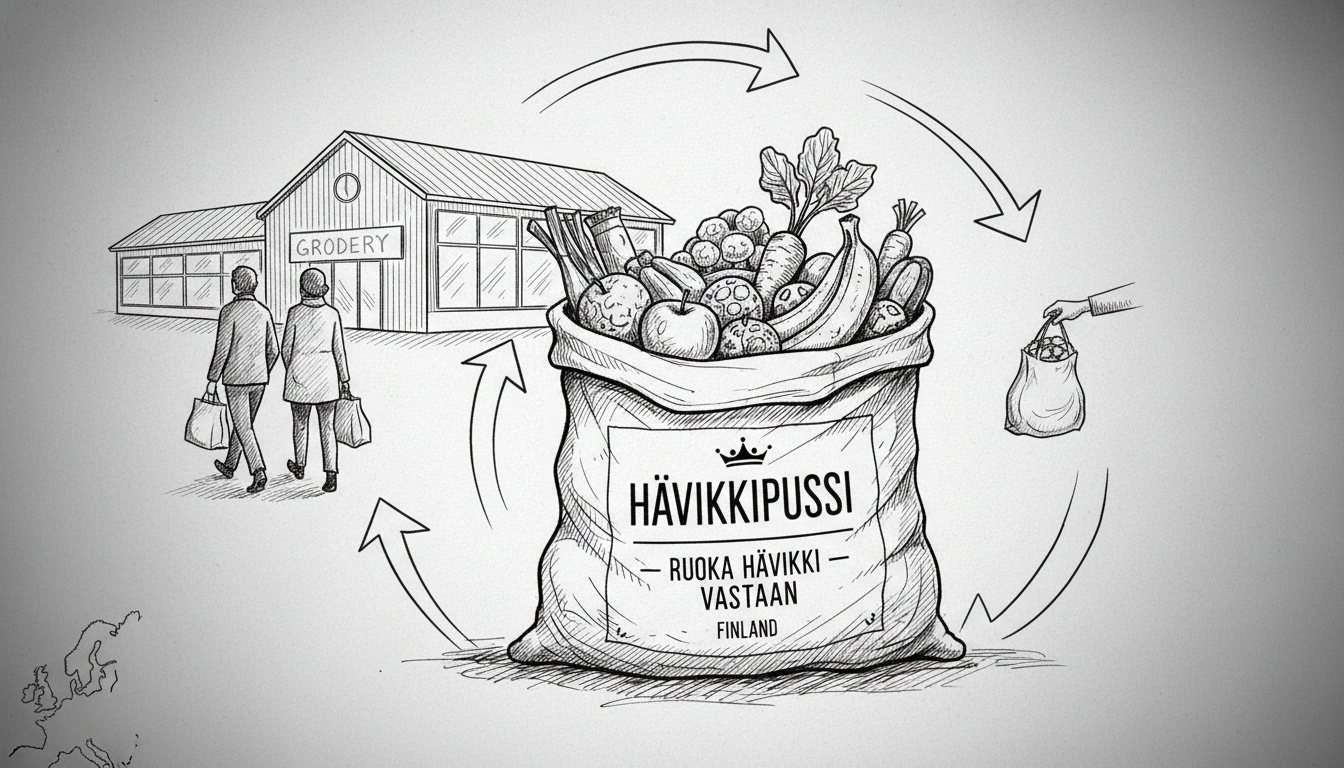
Finnish consumers are demonstrating a clear appetite for sustainability, with a major retailer reporting its discounted 'waste bags' of near-expiry food are now being snatched up by shoppers. The initiative, which began with bread, baked goods, and ready-meals, has been expanded to include fruits and vegetables at a key distribution center in Vantaa, a major city in the Helsinki metropolitan area. This expansion reflects a broader national and European Union push to dramatically cut food waste, a key component of the EU's Farm to Fork Strategy and Finland's own climate goals.
Sanna Mäenpää, the manager of the Vantaa online grocery picking center, explained the program's growth. She said the addition of fruit and vegetable bags is expected to increase total annual sales of these discounted bags to between 5,000 and 10,000 units. The bags contain items that are slightly overripe or cosmetically imperfect but remain perfectly edible. Common items include peppers, citrus fruits, apples, root vegetables, and berries. Every piece of produce is carefully checked by professionals at the center to ensure no spoiled items reach the customer, according to Mäenpää's statement.
This commercial effort operates alongside charitable donations. The company also donates food approaching the end of its shelf life to various non-profit organizations, creating a dual-track approach to waste reduction. The model provides a direct financial incentive for consumers to participate in sustainability while also addressing food insecurity through charity. It is a pragmatic blend of market-based solutions and social responsibility that is becoming increasingly common in Nordic retail.
The popularity of these bags speaks to a significant shift in Finnish consumer behavior. For years, Nordic countries have led on environmental policy, but public adoption of sustainable practices at the individual level is what creates real impact. The fact that these bags are selling out indicates that when given a convenient and affordable option, a large number of consumers are willing to change their shopping habits. This aligns with Finland's national objective to halve food waste by the decade's end, a target that requires both systemic change from retailers and active participation from the public.
From a policy perspective, this retail initiative dovetails with actions in the Finnish Parliament, the Eduskunta, which has debated measures to reduce waste across the supply chain. While legislation often moves slowly, the private sector's rapid adoption of such models shows how market actors can sometimes implement change faster than regulators. The success in Vantaa will likely prompt other municipalities and chains across the country to adopt similar programs. For international observers, Finland provides a case study in how to build a circular economy for food, one imperfect pepper at a time.