
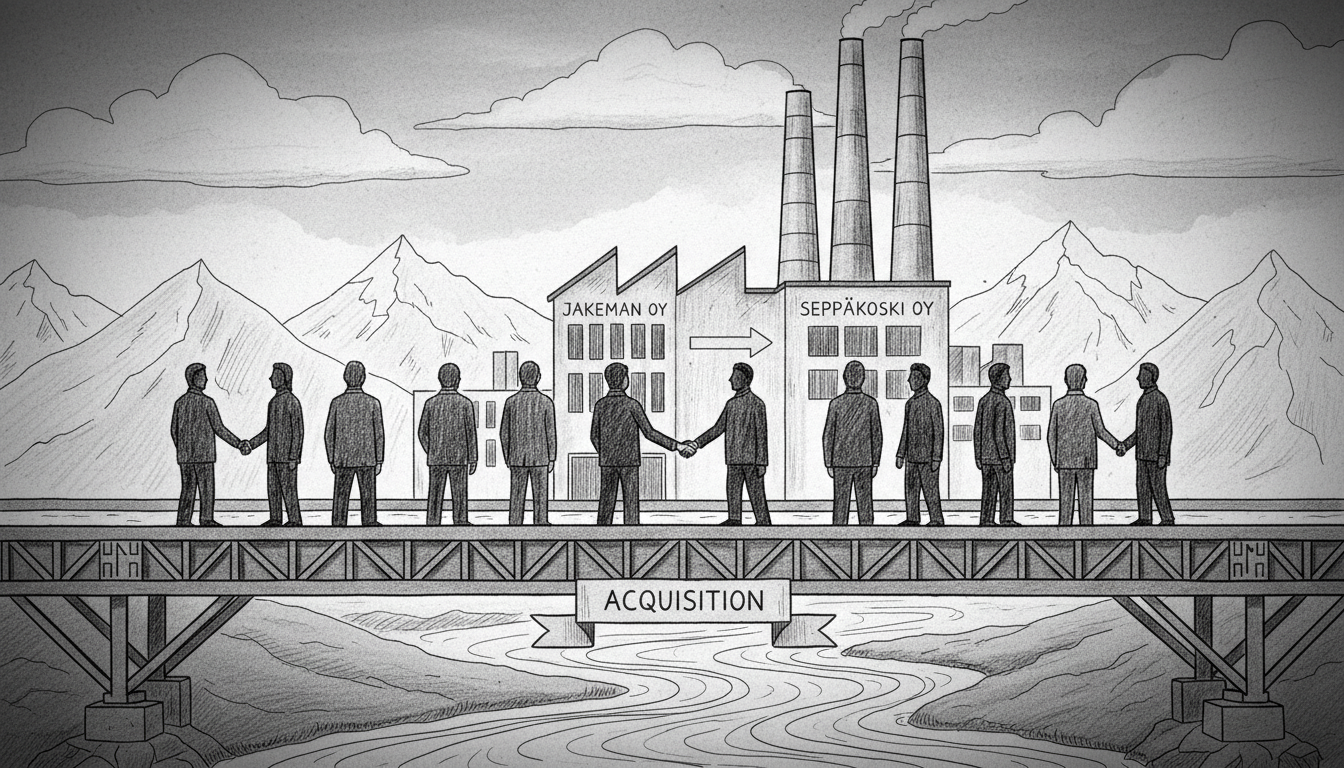
Finnish steel construction company Jakeman Oy has purchased the business operations of Jyväskylä-based Seppäkoski Oy in a strategic acquisition. The transaction focuses on complementary steel operations and will transfer ownership at the turn of the year. This business deal aims to expand and diversify steel construction services across central Finland.
Jakeman CEO Veli-Pekka Niemistö emphasized the human capital aspect of the acquisition. He noted the company will gain ten experienced professionals and their valuable expertise through this transaction. For Seppäkoski employees, the merger provides access to larger and more challenging projects within an expanded operational framework.
The Finnish industrial sector continues experiencing consolidation trends as companies seek competitive advantages. This acquisition follows patterns seen across Nordic manufacturing industries where medium-sized firms combine resources to compete internationally. Steel construction remains vital to Finland's infrastructure development and export economy.
Central Finland's business landscape benefits from such strategic mergers between local companies. The Jyväskylä region maintains strong industrial traditions despite global economic pressures. These business moves typically require approval from Finnish competition authorities, though small to medium enterprise mergers rarely raise regulatory concerns.
What does this mean for Finland's industrial policy direction? The government generally supports domestic business consolidation that strengthens export capabilities. Such acquisitions often align with broader economic strategies promoting Finnish expertise in specialized manufacturing sectors. The steel industry specifically contributes significantly to regional employment outside major urban centers.
International readers should understand Finland's business culture favors practical cooperation over aggressive competition. This acquisition reflects typical Nordic approaches to corporate growth through strategic partnerships rather than hostile takeovers. The transaction likely underwent extensive planning between both companies' leadership teams.
Looking forward, integrated operations may pursue larger contracts across Scandinavia and Baltic regions. Combined technical capabilities could position the merged entity for complex infrastructure projects requiring specialized steel construction expertise. The acquisition demonstrates ongoing confidence in Finland's industrial base despite global economic uncertainties.