
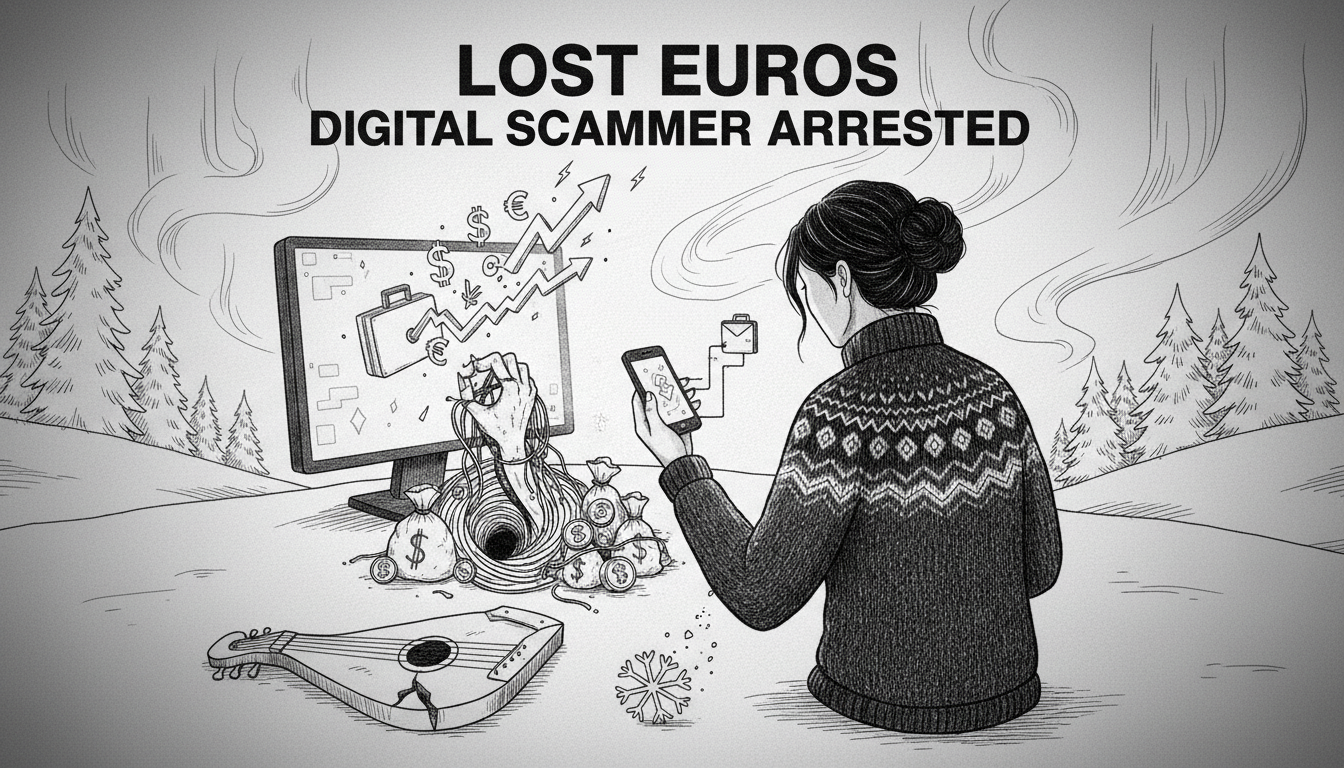
A woman from Kitee, Finland lost over €30,000 in a sophisticated employment scam that began with promising remote work and ended with cryptocurrency losses. The incident occurred in October when the woman, born in the 1960s, accepted what appeared to be legitimate employment selling luxury products through an online store.
The scam followed a familiar pattern seen across Nordic countries. The woman initially received small commission payments that gradually increased with larger orders. This established trust and created the illusion of genuine employment. Police describe this as a common tactic used by fraudsters to build credibility before executing their final scheme.
Then came the critical turning point. The woman was informed her work account balance couldn't cover completing orders. She needed to transfer personal funds to withdraw her commission earnings. This marked the transition from apparent employment to outright financial fraud.
She began transferring small amounts that quickly escalated beyond €12,000. All funds were moved to a cryptocurrency account controlled by the scammer, which at one point showed a balance exceeding €75,000. The situation took its final devastating turn when the cryptocurrency platform suddenly became inaccessible and the account was frozen.
To unlock the account and access the funds, the scammer demanded an additional 50% of the account balance. This final request pushed the woman's total losses beyond €30,000 before she realized the entire operation was fraudulent.
Eastern Finland Crime Commissioner Juha Leinonen explained this represents a variation of cryptocurrency fraud. Scammers typically ask victims to invest small amounts initially. They then use the promise of profits to encourage larger investments fueled by hopes of getting rich quick.
Leinonen emphasized that nobody should invest in anything they don't fully understand. He noted that anyone can fall victim to these schemes, making it crucial to discuss fraud methods and personal experiences with friends and acquaintances.
This case highlights several concerning trends in Nordic digital crime. Employment scams have become increasingly sophisticated, often targeting older individuals less familiar with digital platforms. The integration of cryptocurrency adds complexity since these transactions are difficult to trace and recover.
Finnish authorities have observed rising numbers of similar cases across the country. The Nordic region's high digital adoption rates and generally trusting nature make populations particularly vulnerable to these carefully constructed schemes. Police recommend verifying all employment offers through official channels and being wary of any request to transfer personal funds for business purposes.
The financial impact extends beyond immediate monetary losses. Victims often experience significant emotional distress and damage to their financial security. This case serves as a stark reminder that even seemingly legitimate online opportunities require thorough verification before committing personal resources.
Financial fraud prevention experts suggest several protective measures. Always research companies offering remote work positions. Verify their business registration and contact information through official sources. Be extremely cautious of any employment that requires transferring personal money, regardless of the promised returns. When something appears too good to be true, it usually is.