
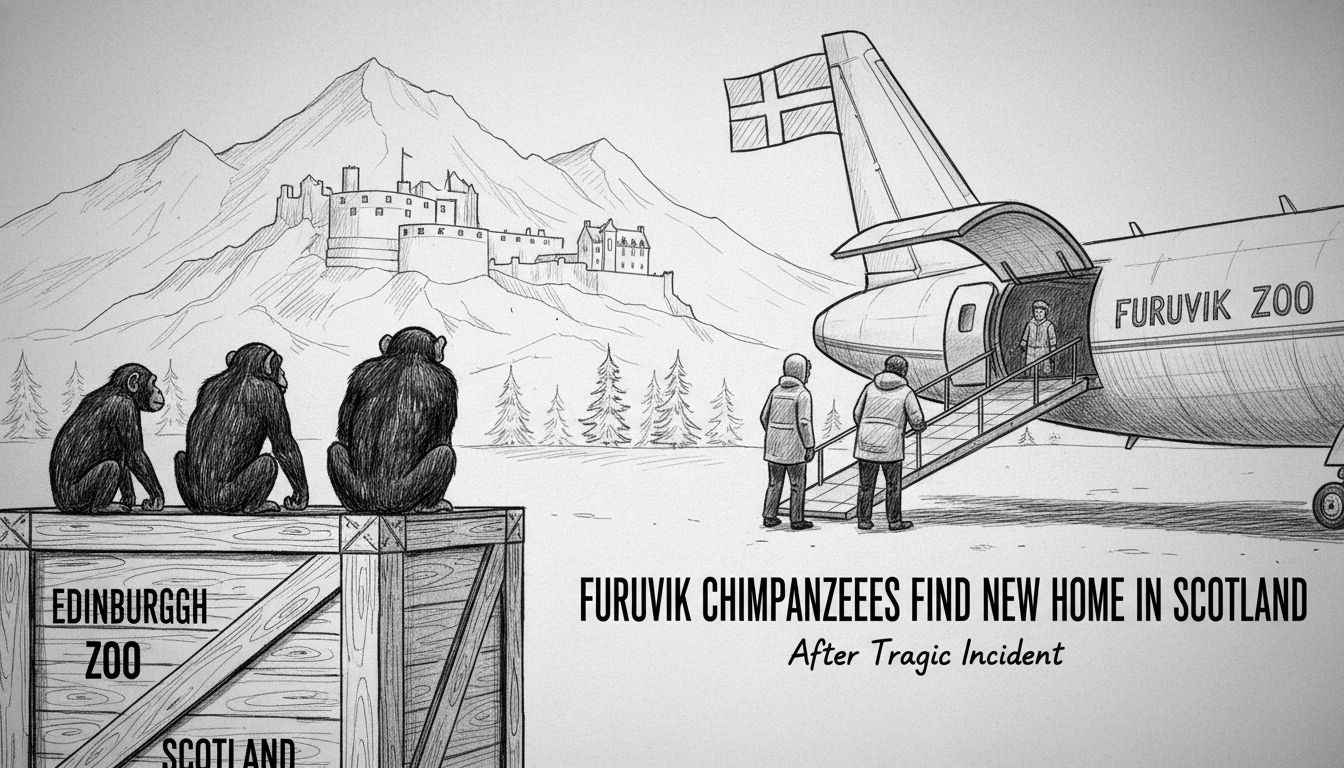
The heart of Furuvik Zoo in Gävle, a beloved destination for Swedish families, is preparing for a quiet farewell. Its three remaining chimpanzees are set for a new life at Edinburgh Zoo in Scotland. This move follows a deeply traumatic event that shook the park and the nation. Four chimpanzees were shot and killed after escaping their enclosure, with a fifth injured. The incident sparked a national conversation about animal welfare and safety in Swedish zoos.
Park CEO Sandra Wilke expressed mixed emotions about the decision. She said the chimpanzees were an important part of the park's history. The move is bittersweet, but the priority is the animals' long-term wellbeing. The small group of three is not sustainable for their social needs. The European Association of Zoos and Aquariums (EAZA) conducted a review with Furuvik. They concluded that integrating the animals into a larger social group was essential.
Jana Pluháčková, EAZA's chimpanzee coordinator, endorsed the relocation plan. She stated that Edinburgh Zoo offers an ideal environment with experienced staff. The Scottish zoo has a strong reputation for primate care and larger social troops. This move supports the chimpanzees' welfare by providing proper social structure. The transfer is a complex process planned for the coming years. Preparations have already begun, involving veterinarians and animal keepers from both institutions.
In a unique preparatory step, Swedish keepers have started speaking English to the chimpanzees. This aims to ease their transition to a new country and new caretakers. The future of the now-empty chimpanzee house at Furuvik remains undecided. It stands as a silent reminder of a chapter the park is working to close. This story reflects a broader trend in Swedish society towards higher animal welfare standards. Public expectations for ethical treatment and natural social settings for captive animals have risen sharply.
The incident and subsequent move highlight the evolving standards within Swedish zoological institutions. There is a clear shift from mere exhibition towards creating environments that prioritize complex animal needs. For international observers, this demonstrates Sweden's proactive, if sometimes reactionary, approach to ethical dilemmas. The decision, while difficult, shows a system willing to make hard choices for animal welfare, even when it means losing a popular attraction. The ultimate goal is giving these intelligent beings a chance at a more natural social life, far from the shadows of their past.