
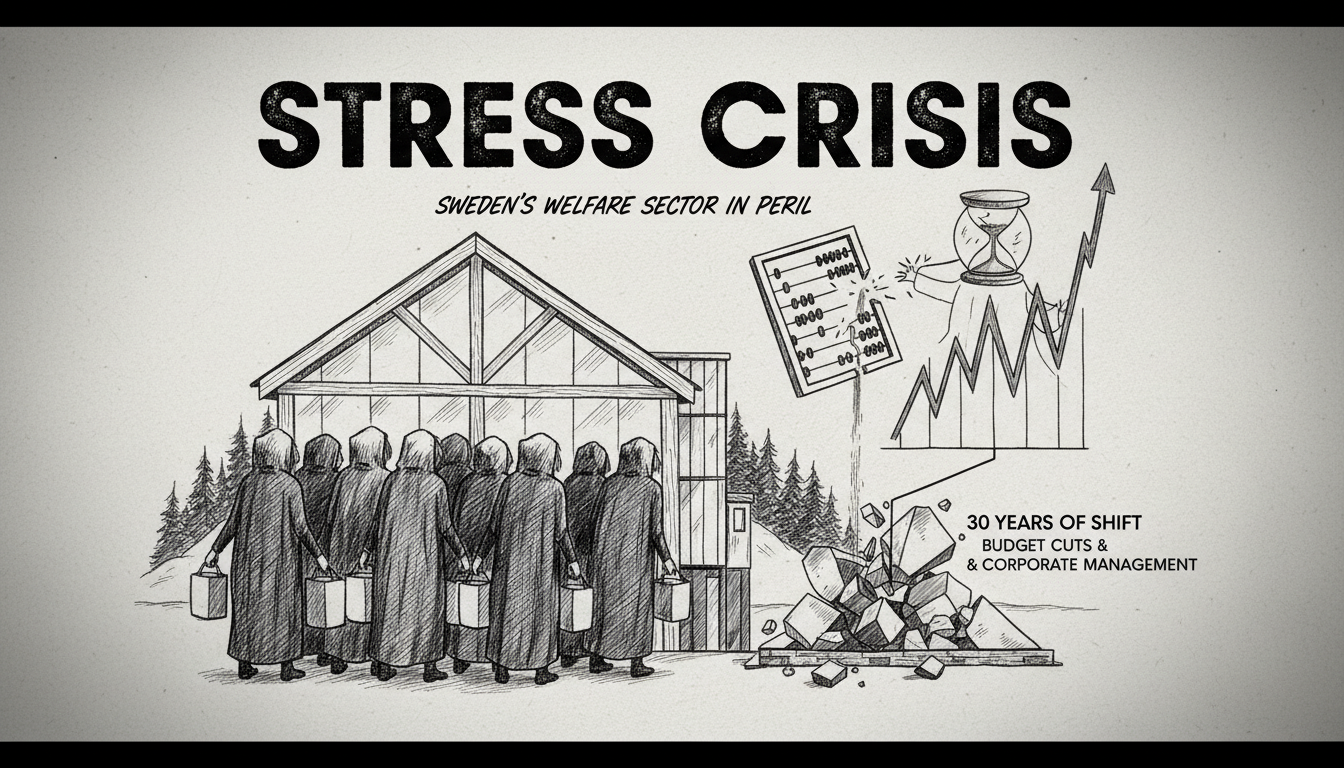
A dramatic shift has transformed Sweden's healthcare and education professions from the healthiest to the most stressful workplaces over three decades. Research shows female-dominated welfare jobs now experience the highest sick leave rates nationwide.
Professor Annika Härenstam's early 1990s research identified teaching and nursing as Sweden's healthiest professions for women. Workers reported stimulating tasks, flexible schedules, and strong team cohesion. Today, these same sectors dominate sick leave statistics according to national insurance data.
Cathia Boquist embodies this troubling transition. She began as a nursing assistant in elderly care in 1992 and now works as a nurse at Norrland University Hospital in Umeå. She also serves as an elected representative for healthcare workers.
Boquist describes experiencing periods of suffering and inadequacy due to workplace stress. Despite these challenges, she maintains her passion for healthcare work. She states she would choose the same career path if starting over today.
Professor Härenstam identifies two primary factors behind this deterioration in Swedish welfare sector working conditions. The introduction of corporate management methods fundamentally changed workplace dynamics. The economic crisis and major budget cuts during the 1990s created additional pressure.
Physical health issues still dominate short-term sick leave across all professions. Mental health problems, particularly stress-related conditions, now account for over half of all long-term sick leave cases in Sweden.
This trend reflects broader challenges facing Nordic welfare states. Sweden's renowned public sector historically provided stable employment with good working conditions. Recent decades have seen increased privatization and new public management approaches transforming these workplaces.
The concentration of stress-related illness in female-dominated sectors raises important gender equality questions. Women comprise approximately 80% of healthcare and social work employees in Sweden. Their deteriorating working conditions directly impact gender equity in the labor market.
Professor Härenstam emphasizes that welfare jobs don't inherently need to be high-risk for sick leave. She argues systematic improvements require comprehensive changes across all Swedish municipalities and regions. Three key changes could significantly improve work environments and reduce stress levels.
International readers should understand this isn't just a Swedish phenomenon. Similar trends appear across Nordic countries where welfare sectors face increasing demands with limited resources. The Nordic model's sustainability depends on maintaining decent working conditions in these essential services.
The situation highlights the tension between economic efficiency and quality care. As populations age across Scandinavia, demand for healthcare workers continues growing. Making these professions sustainable long-term requires addressing the root causes of workplace stress.
Swedish healthcare workers like Cathia Boquist demonstrate remarkable dedication despite challenging conditions. Their experiences underscore the urgent need for systemic reforms to protect those who care for society's most vulnerable members.