
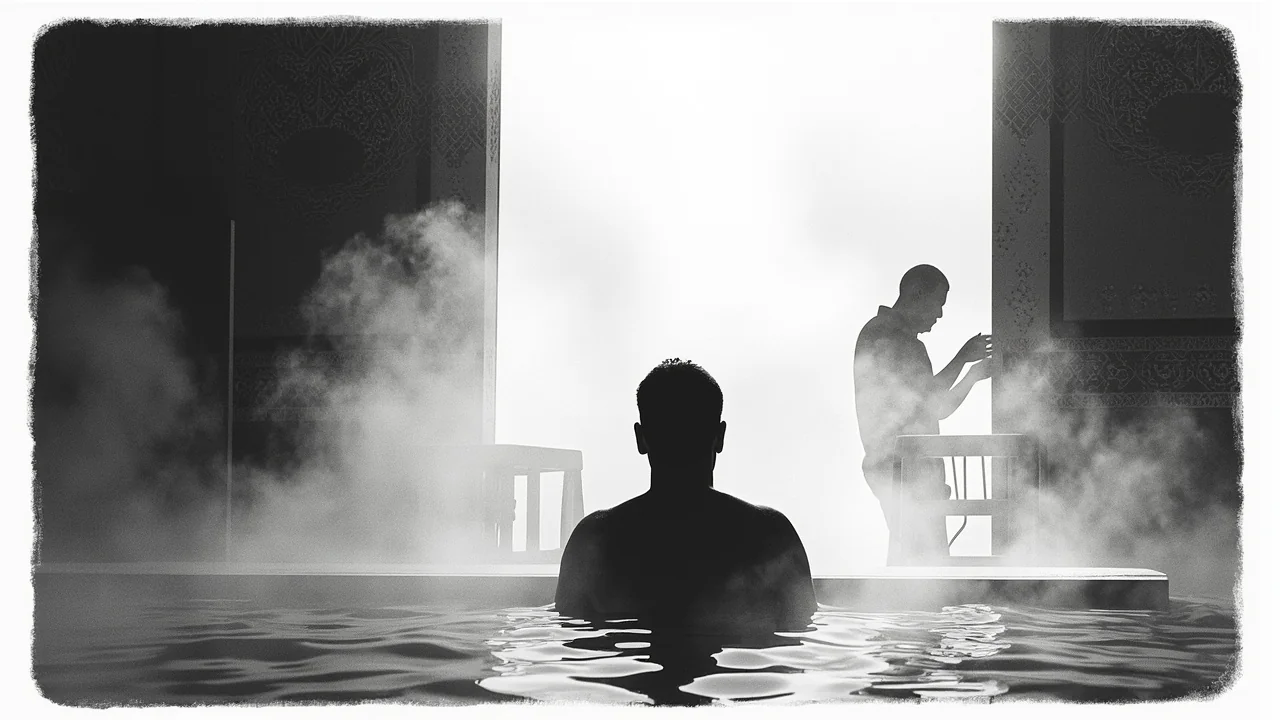
Iceland's over twenty commercial steam baths will soon pay for the music that defines their sessions. The Icelandic Copyright Office, STEF, and the Federation of Performers and Phonogram Producers, SFH, announced they will begin collecting royalty fees from venues offering guided 'gusa' steam bath experiences. The decision follows their review which found music is not background noise but a core component of the service.
Music at the Forefront of the Steam
In a Facebook post, STEF stated their investigation revealed music played a central, not incidental, role. "It is in the foreground rather than the background," the post said. The organizations argue the curated playlists are essential to the customer experience, often defining each session's theme. Examples given include jazz gusa, dance gusa, sing-along gusa, and even GusGus-gusa, implying songs by the famous Icelandic band are used. STEF compared the sessions to a yoga class led by an instructor, where specific music sets the pace and theme for each segment.
"Thus it is clear that music plays a significant role in steam bath sessions," STEF's statement read. The groups concluded it was natural and fair to collect compensation for this specific commercial use of copyrighted music. A dedicated price list for this type of service will be presented to providers shortly. STEF emphasized the fee would not be burdensome but constituted fair compensation for using what they call an indispensable part of the customer's experience.
A New Cost for a Growing Wellness Industry
The move directly targets a niche but growing part of Iceland's wellness and tourism sector. Steam baths, or 'gusur', have evolved from simple public pools to curated, thematic experiences often offered in spas, hotels, and dedicated studios in Reykjavik districts like Grandi and across regions known for geothermal activity. Operators typically charge customers a premium for these guided sessions, which last about 30 to 45 minutes and are designed for relaxation and mindfulness. The introduction of a licensing fee adds a new operational cost for these small businesses, many of which are still recovering from tourism dips in recent years.
While STEF states the fee will be reasonable, the announcement has sparked immediate discussion within the tight-knit industry. Providers must now factor in this new expense, which could influence their pricing models. The key question is whether this cost will be absorbed by operators or passed on to customers seeking these popular thermal experiences. No public statements from bath operators have been made yet, but private forums indicate surprise and concern over the administrative and financial implications.
The Legal Framework for Public Performance
STEF and SFH's action is grounded in standard copyright law, which requires businesses to obtain a license to play music publicly for their customers. This applies to bars, shops, gyms, and now, explicitly, commercial steam baths. The organizations already have established tariff systems for various business types, from hairdressers to fitness centers. The new 'gusa' fee structure will simply create a specific category for this unique activity. Their argument hinges on the intentional, thematic use of music to enhance a paid service, moving it beyond ambient playback into integral content.
This enforcement highlights a broader trend of copyright societies more diligently identifying new commercial uses of music in the digital age and experience economy. Iceland, with its strong artistic community, has robust mechanisms for protecting creators' rights. The move is seen as an effort to ensure composers, songwriters, and performers are compensated when their work is used as a key product feature, not just atmospheric filler. It underscores that intellectual property rules apply equally in a rustic steam room as they do in a sleek downtown boutique.
Potential Ripples in the Thermal Waters
The impending rollout will test the practicality of monitoring and collecting fees from a dispersed and small-scale industry. Compliance depends on voluntary cooperation from bath operators. STEF will likely rely on self-reporting or spot checks, methods used for other small business categories. The success of the initiative may also set a precedent for other experiential wellness activities that rely on curated soundscapes, such as sound baths or specialized meditation classes.
For customers, the immediate change may be invisible, but a significant increase in session prices could affect demand. The Icelandic love for geothermal bathing is deep-rooted, but the market for premium, guided experiences is more sensitive to price changes. The outcome will depend on the final fee scale and how operators choose to manage it. As Iceland continues to balance its cultural assets with commercial innovation, this small fee represents a larger conversation about valuing artistic work in all facets of the national economy, even those filled with steam.
Ultimately, STEF's move closes a loophole it identified in the growing commercial spa sector. It formalizes the financial relationship between the wellness experience economy and the artists whose work helps create its atmosphere. The steam may rise for free from Iceland's volcanic ground, but the music that accompanies it now carries a clear price tag.